
The Story
Why it exists.
The beginning
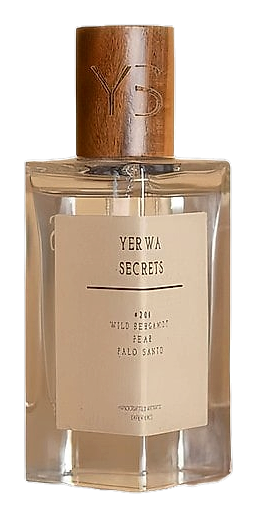
Wild Bergamot Pear Palo Santo is built around a clear idea: bring the brightness of wild bergamot together with the juicy character of pear and the clean, aromatic dryness of Palo Santo. Yerwa Secrets describes the inspiration as Manitoba, Canada, where wild bergamot is associated with the aroma of summer. That gives the fragrance a clear place and season at its center, not a vague tropical mood. The fruit and citrus make the opening immediately readable, while Palo Santo introduces a more distinctive woody thread beneath them.
The combination works because pear gives the citrus a rounded, almost edible quality, while wild bergamot keeps the result from becoming too soft. Tangerine adds a brighter, more familiar register, and Palo Santo introduces a dry, aromatic woodiness that can feel herbal, smoky, and polished at once. Nothing here needs a thick background. The appeal is in the contrast between ripe fruit and a restrained woody character, followed by the citrus accord's fresh, lightly spicy quality.
The evolution
It opens with a crisp lift: pear, mandarin, and wild bergamot bring the impression of citrus juice and sunlit peel, with fruit doing most of the talking. As the opening settles, bergamot and tangerine add brightness to the center, while pear softens the edges into something rounder and more tactile. Palo Santo becomes the surprise. Its dry aromatic woodiness introduces a greener, almost herbaceous depth, making the fragrance feel less like fruit candy and more like polished wood warmed by daylight. In the later drydown, the bright citrus gradually quiets, while the woody Palo Santo continues to shape the composition. The result is a fresh, gently sweet trail that settles toward dry citrus, pear, and aromatic wood.
Cultural impact
This fragrance places pear, wild bergamot, tangerine, and Palo Santo within a composition built around contrast. Ripe fruit meets bright citrus and dry aromatic woodiness, creating an impression that is both fresh and gently warm. Its regional reference adds a geographic dimension to the scent profile, while the combination keeps the focus on the meeting point between recognizable materials and contemporary perfumery. The result invites attention to how fruit, peel, and wood can share the same composition without losing their individual character.