







Heritage
A house, in its own words
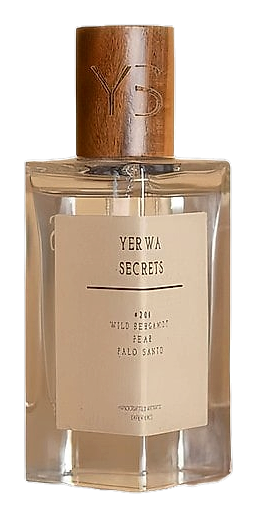
Yerwa Secrets grew from a personal idea: the remembered aroma of home. Founder Fatima Babakura, an entrepreneur, designer, and creative from Borno State, Nigeria, built the brand around the scent rituals associated with the Kanuri people of Borno, a region shaped by a long and layered relationship between fragrance, incense, clothing, hair, and everyday ritual. Interviews with the founder describe the brand as more than a perfume label, presenting Yerwa Secrets as an attempt to preserve a local perfumery tradition while allowing it to move into contemporary formats. The catalogue’s combinations of spice, resin, wood, fruit, floral, and musk reflect this meeting point between regional reference and modern fragrance composition. Over time, the house expanded from incense into body fragrances and hair mists, creating a wider sensorial vocabulary rather than restricting itself to eau de parfum. Independent coverage also places the brand within Nigeria’s emerging independent fragrance scene, where reviewers frequently highlight its unusual combinations and strong sense of place. Names such as Saffron Black Rose Tonka Bean, Mandarin Orange Jasmine Cloves, and Plum Vanilla Sandalwood make that identity visible in the titles themselves. The result is a house with a clear northern Nigerian centre of gravity, expressed through scents that can feel intimate, ceremonial, nocturnal, sunlit, woody, or warmly spiced depending on the wearer and the air around them. Yerwa Secrets treats fragrance as a form of memory and atmosphere. Its central reference is the Kanuri scent culture of Borno, while its broader outlook comes from the founder’s experiences across cultures and continents. That combination gives the brand a point of view that is grounded in place without being confined by it. The house appears to approach perfumery as a conversation between materials: saffron can meet black rose and tonka bean, citrus can sharpen patchouli and sandalwood, and rose can deepen into oud and vanilla. These contrasts create compositions with a deliberate rhythm, often pairing a bright or familiar note with woods, resins, spice, or musk. The brand’s use of incense, body fragrance, and hair mist also suggests an interest in scent as a layered daily ritual rather than a single isolated application. Fragrance becomes something that can enter a room, sit close to the skin, or remain as an expressive trace. Independent interviews and reviews consistently return to the brand’s Nigerian identity and its willingness to build a distinctive fragrance vocabulary, though individual interpretations of the compositions naturally vary. The philosophy is therefore best understood as cultural translation: familiar local references are carried into contemporary formats, then explored through materials that carry warmth, texture, darkness, brightness, and sensuality.