The Story
Why it exists.
The beginning
Patchouli by Solinotes arrived in 2010 as part of the brand's first wave of single-note Eau de Parfums. Julie Barretta's vision was to give traditionally heavy notes a solo stage, proving that patchouli could stand alone without being buried beneath a floral bouquet. The launch followed Solinotes' founding in 2008, establishing patchouli as a fragrance that could speak for itself without hiding behind blends.
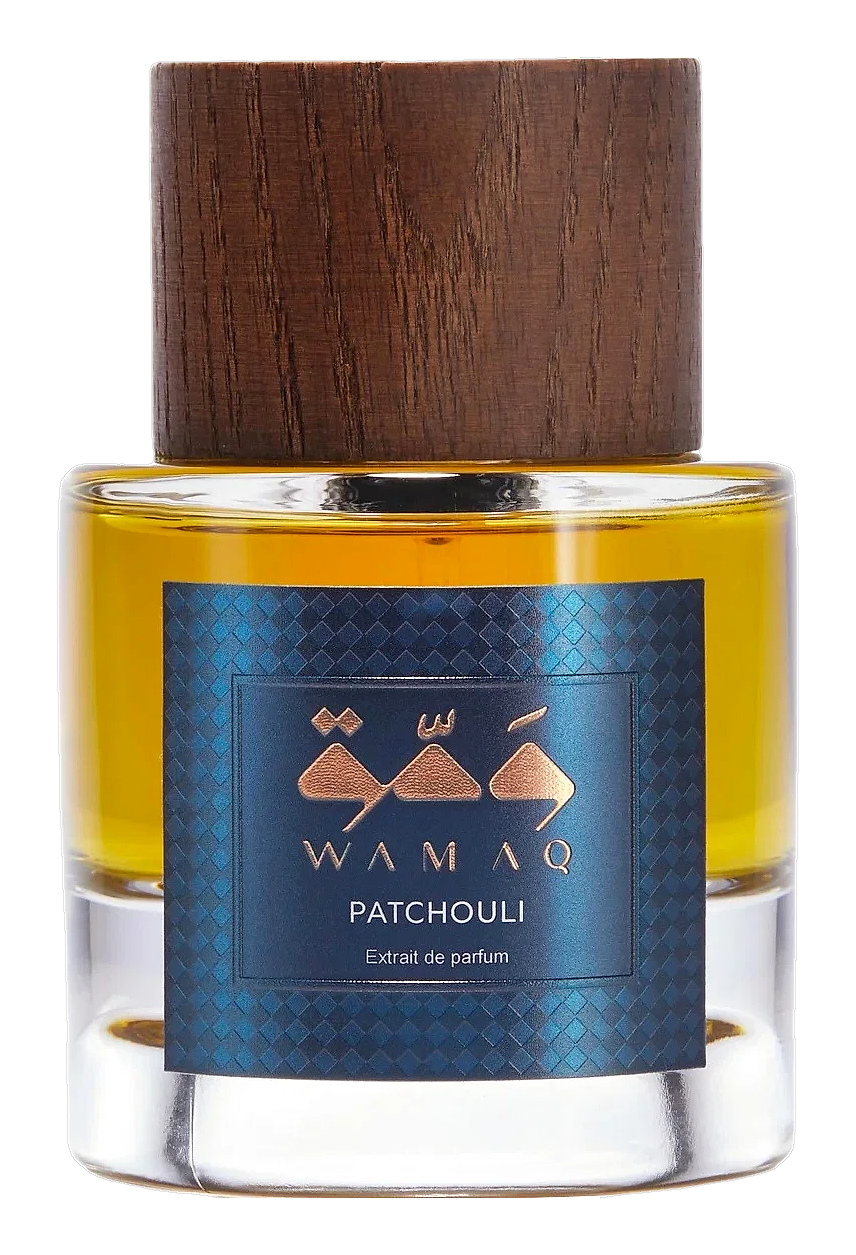
The note structure reflects a deliberate philosophy: let patchouli be the protagonist while giving it supporting actors that enhance rather than overshadow. The bergamot opening prevents the fragrance from feeling heavy upon first spray, while the floral heart offers a temporary moment of softness. The extensive drydown, featuring materials like ambergris and oud, ensures patchouli never feels one-dimensional. This approach makes Patchouli by WAMAQ a patchouli for those who want depth, complexity, and a narrative arc in a single-note fragrance.
The evolution
Patchouli by WAMAQ takes the original concept and expands it through a precise olfactory arc. Amer Alradhi begins with bergamot and frankincense, two materials rarely associated with patchouli, creating an opening that feels luminous and unexpected. As the scent develops, rose, jasmine, and osmanthus emerge, softening the composition into something almost delicate before patchouli reclaims dominance. The drydown brings sandalwood, oud, java vetiver, ambergris, musk, and tobacco into play, resulting in a base that feels simultaneously earthy, animalic, and resinous.
Cultural impact
Since its 2010 debut, Patchouli has become a staple for layering enthusiasts, often paired with Solinotes Vanille or Coco to craft warm, gourmand blends. Its approachable, unisex profile has earned it a spot in niche forums as a reliable entry point for those curious about earthy, spicy woods without the heaviness of traditional patchouli oils.