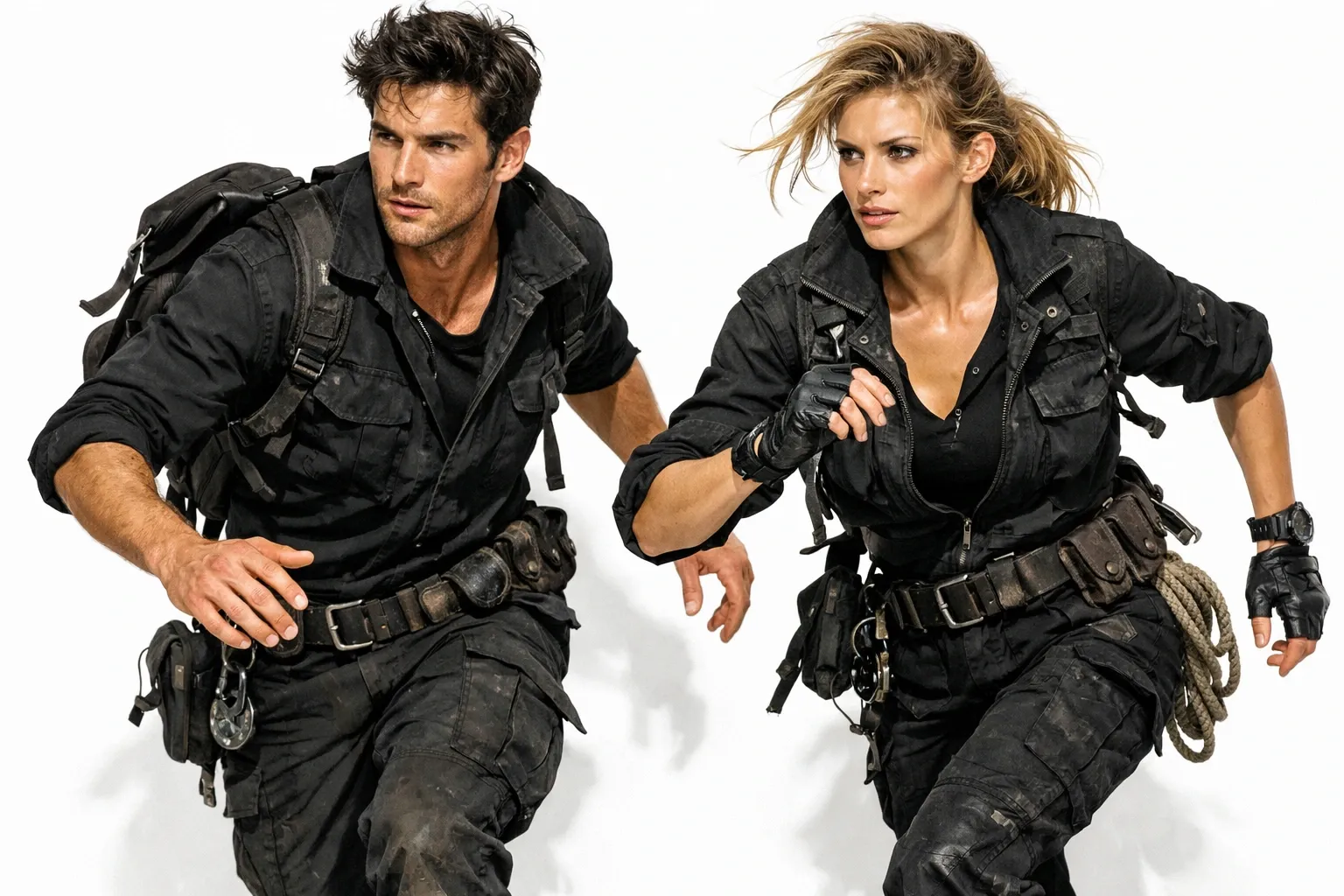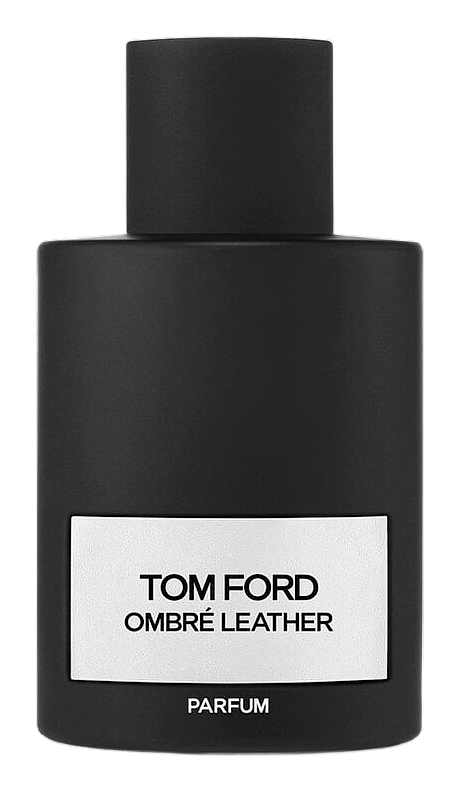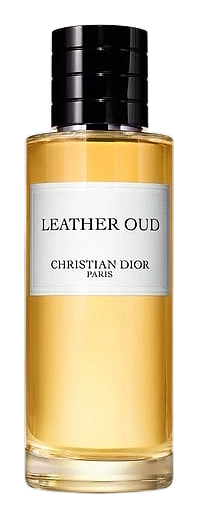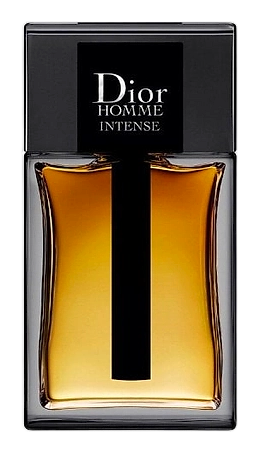

The Story
Why it exists.
The beginning
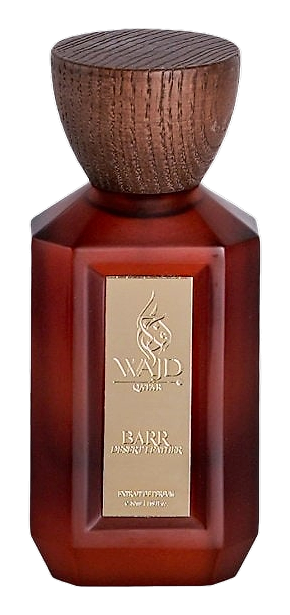
Desert Leather is the third release from WAJD, a house rooted in Arabic perfumery traditions that have spent centuries building scent around oud, amber, and the resins that thrive in arid climates. Where many desert fragrances chase the spiced, resinous intensity of the Gulf, BARR turns toward something quieter and more tactile: the feeling of leather that has spent a full day under open sky. The name itself, Desert Leather, names the material before the moment, a deliberate inversion of how Western perfumery usually frames this note. There's no citrus to brighten it, no green to lighten it. Just the hide and what the desert did to it.
What makes this composition worth pausing on is its refusal to layer. Amber, leather, smoke, and spice carry the entire arc with no supporting cast to soften, lift, or ground them. There's nowhere for the nose to hide, and that's the point. Each accord arrives at full voice, asking to be reckoned with on its own terms. The smoke isn't a decorative effect riding along on top of the composition. It's treated as a co-equal partner, holding equal weight with the leather and the amber from the first spritz onward. The amber doesn't recede into sweetness or quiet down the sharper edges.
The evolution
The opening arrives already wearing its destination. Leather sits close to the skin from the first breath, warm and slightly dry, like something that was left on a dashboard and forgotten under a desert sky. The smoke begins to rise shortly after, not acrid or campfire-loud, but the slow curl of embers cooling under ash. The spices arrive quietly in the background, more peppery than sweet, more dry heat than baking warmth. As the composition settles into its middle phase, amber takes over as the connective tissue, sweetening the leather without softening it, keeping the smoke tethered rather than letting it drift away into the air. Through the heart, the four accords negotiate with each other in plain view: the leather darkens, the amber warms, the smoke thins to a wisp, and the spice hums underneath it all like a low note on a cello.
Cultural impact
Desert Leather sits at the intersection of two traditions that don't often share a shelf. On one side, there's the long heritage of Arabian perfumery, where leather, amber, and smoke have been worn as expressions of presence, ceremony, and identity for generations. On the other, there's the contemporary appetite, especially among Western niche enthusiasts, for compositions that feel unapologetic, dense, and rooted in something older than trend cycles. The fragrance doesn't translate that heritage so much as channel it directly, pulling from the visual and sensory vocabulary of the Arabian desert without softening it for outside audiences.