The Story
Why it exists.
The beginning
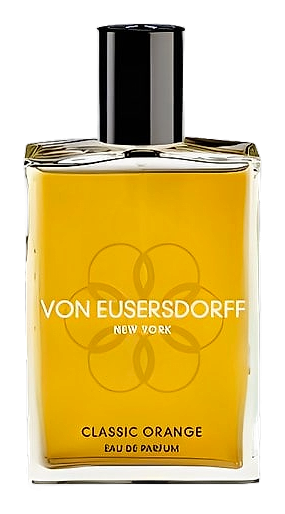
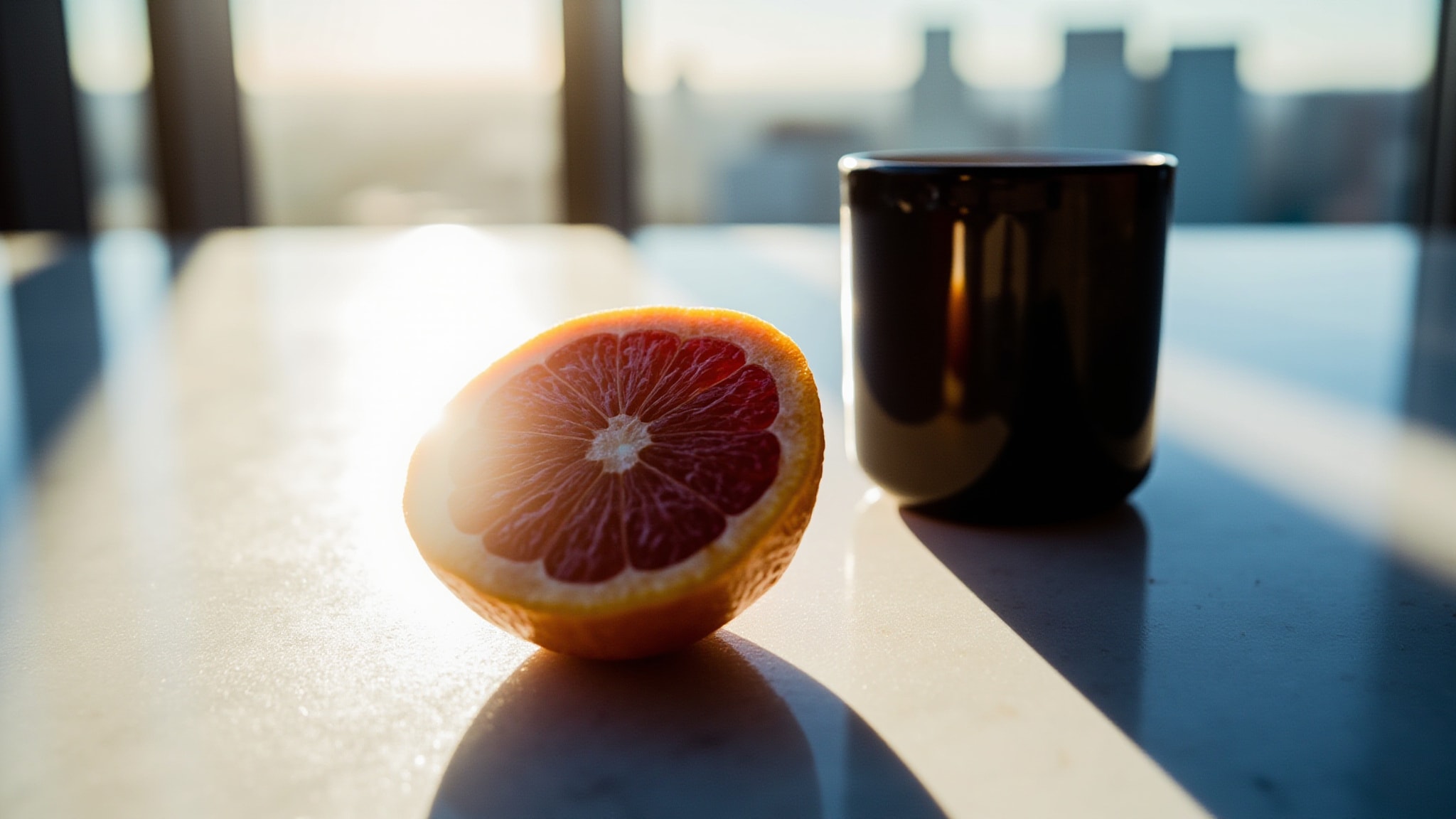
Von Eusersdorff doesn't do complicated. The brand's single-note philosophy strips away everything except the material itself, and Classic Orange is the proof. The concept: take blood orange and let it tell the whole story. No tricks, no fanfare. Just the fruit in conversation with itself, held accountable by black tea and a suede drydown that keeps things honest. The idea came from a tradition of expert traders who sourced rare materials and understood that they deserve space to breathe. For orange, that meant resisting the temptation to build a fortress around it. Instead, the composition lets blood orange arrive without armor: tart, electric, unmistakably itself. The rest of the pyramid supports rather than overshadows.
What makes Classic Orange work is the tension between brightness and warmth. Blood orange gives you that immediate hit, the zested rind, the juice running red, but black tea keeps it from flying away. Osmanthus adds a subtle apricot-floral note that rewards attention without demanding it. Then suede arrives to ground everything, transforming a citrus fragrance into something you could wear at dusk, not just noon. The composition avoids the trap of many orange fragrances: the five-minute show. Here, the citrus doesn't disappear, it mellows. By the heart phase, you're in tea territory, and by drydown, the suede and sandalwood have absorbed the sharp edges. It's a slow reveal, which is unusual for a citrus.
The evolution
The opening announces itself without apology. Blood orange, rind and all, that unmistakable bitter-sweet intensity that hits the back of the throat. Thirty seconds in, black tea cuts through. Not bergamot, not mint. Tea. Cool, tannic, slightly astringent. It tempers the citrus into something more deliberate. The transition takes fifteen minutes. Osmanthus surfaces slowly, bringing a honeyed apricot note that sweetens the tartness without diluting it. Petitgrain adds a green, slightly bitter undertone, stem and leaf, not just fruit. The musk begins its quiet work, softening edges. Black tea dominates as the orange retreats, but warmer now, more like an afternoon cup than a fresh brew. Suede emerges, tactile and close. Osmanthus clings longest among the florals, a ghost of sweetness against the suede. The drydown settles into sandalwood and skin. Nothing loud.
Cultural impact
Citrus fragrances have shaped perfumery since the earliest European toilet waters. The bright, refreshing character of orange and neroli has made these scents timeless in warm weather collections and casual wear. Orange notes often signal approachability and optimism in fragrance design. Blood orange, with its darker and more complex berry-like undertones, brings unexpected depth compared to standard sweet orange, giving Classic Orange a sophisticated edge that appeals to both traditional and contemporary fragrance enthusiasts.