The Story
Why it exists.
The beginning
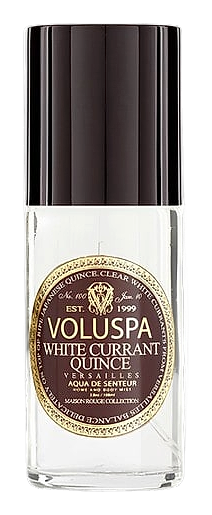
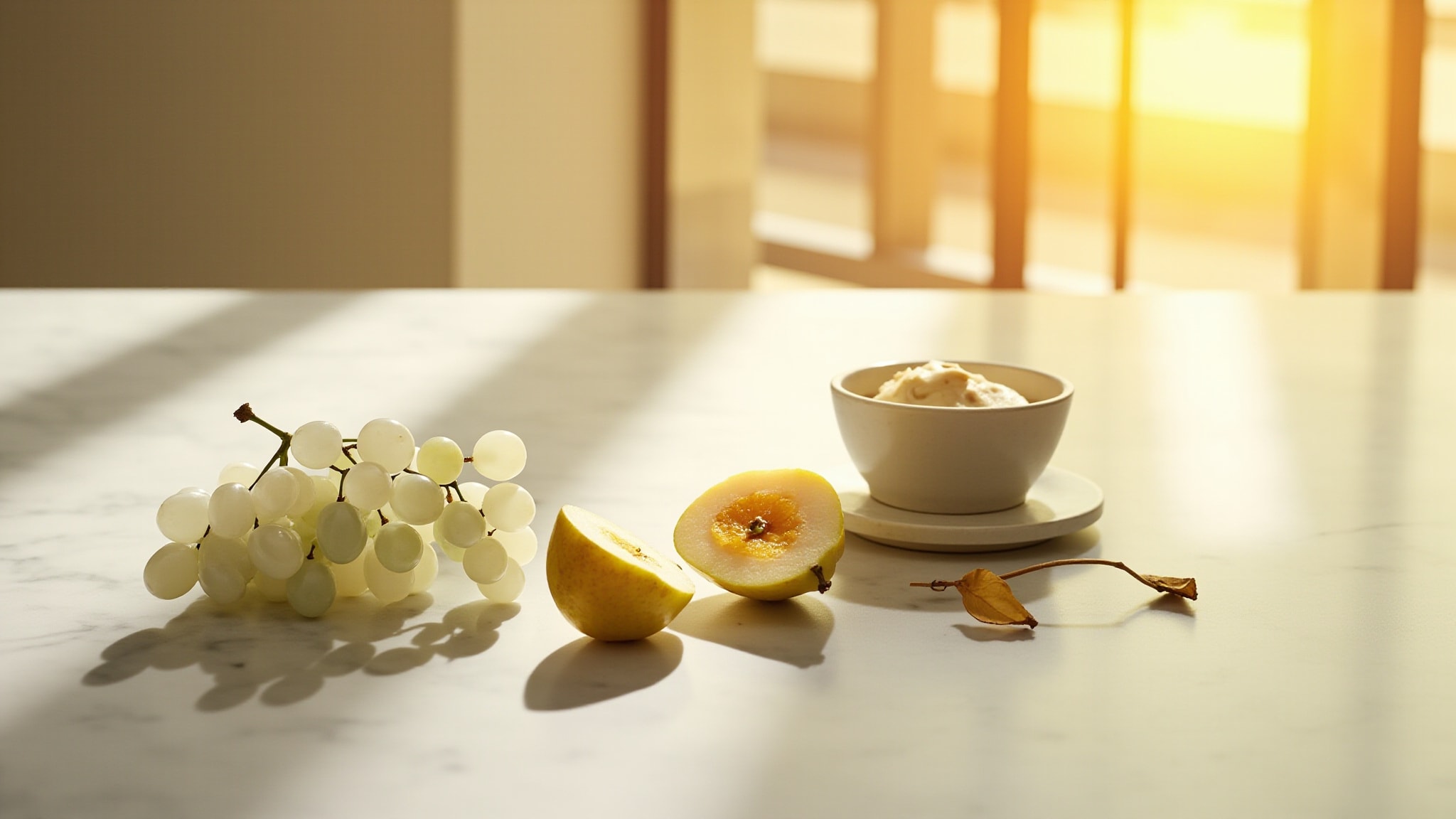
White Currant Quince Versailles launched in 2010. The name paints the picture before you smell it: white currants from Versailles, clear-skinned and balanced on top of ripe Japanese quince. It's a composition rooted in a single idea, that fruit can carry the architecture of a proper chypre. The fruit notes are specific and restrained, two ingredients that do the work of many. There's something appealing about a scent that promises a complete landscape in its title and then delivers exactly that, nothing more, nothing less. The clarity of the concept, fruit as architecture, is what makes it feel considered rather than accidental.
What makes this composition interesting is the restraint. White Currant Quince Versailles stays in a narrow register of fruit, and it commits to that register completely. The Japanese quince anchors the structure, providing a tart, slightly floral backbone that gives the scent its skeleton, while white currant adds the bright acidity that keeps everything from collapsing into simple sweetness. There is no smoke, no leather, no heavy resin. The composition earns its character through the specificity of two ingredients, not through layering dozens of notes.
The evolution
The first impression is brightness: Japanese quince opens with that sharp, almost astringent quality the fruit has when it's just barely ripe, slightly green, slightly floral. The white currant adds a thin, winy edge that makes the opening feel like biting into something cold. As the composition settles, it softens considerably. The tartness doesn't disappear but rounds out, gaining a warmer, waxy quality that suggests skin warmth without ever becoming sweet. In the later hours, the fruit recedes into something more like a memory of fruit: a faint sweetness clinging to skin, a trace of the quince's floral sourness still detectable if you press your nose to your wrist. The drydown is quiet, but that quietness has its own appeal. Some wearers will wish for more presence. Others will appreciate that it doesn't compete with whatever else the day brings.
Cultural impact
White Currant Quince Versailles sits in an unusual space: a chypre that doesn't behave like a chypre. The fruit-forward composition finds its audience among wearers drawn to specific, food-adjacent scents that don't follow the crowd, and it reportedly appeals to those who find traditional chypres too dark or earthy. There's a clarity to it that sets it apart from the more common constructions in the genre, a willingness to let fruit do the structural work that oakmoss and patchouli usually handle.