The Story
Why it exists.
The beginning
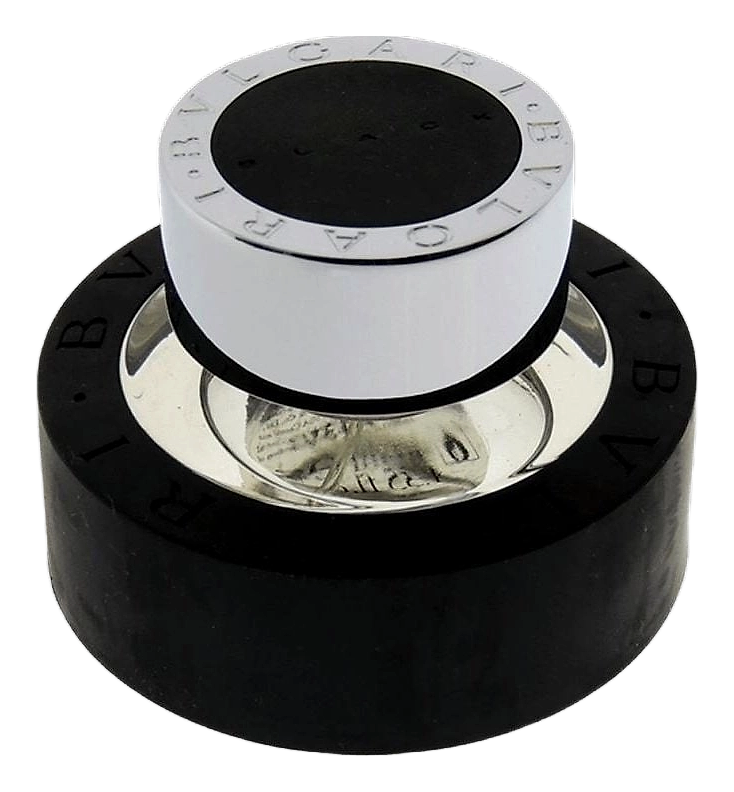
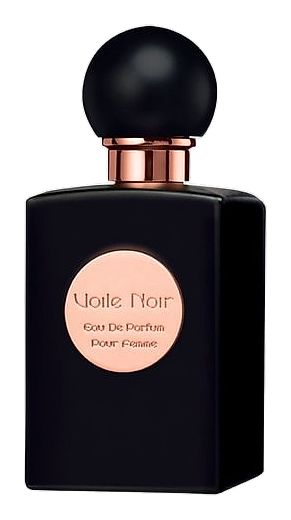
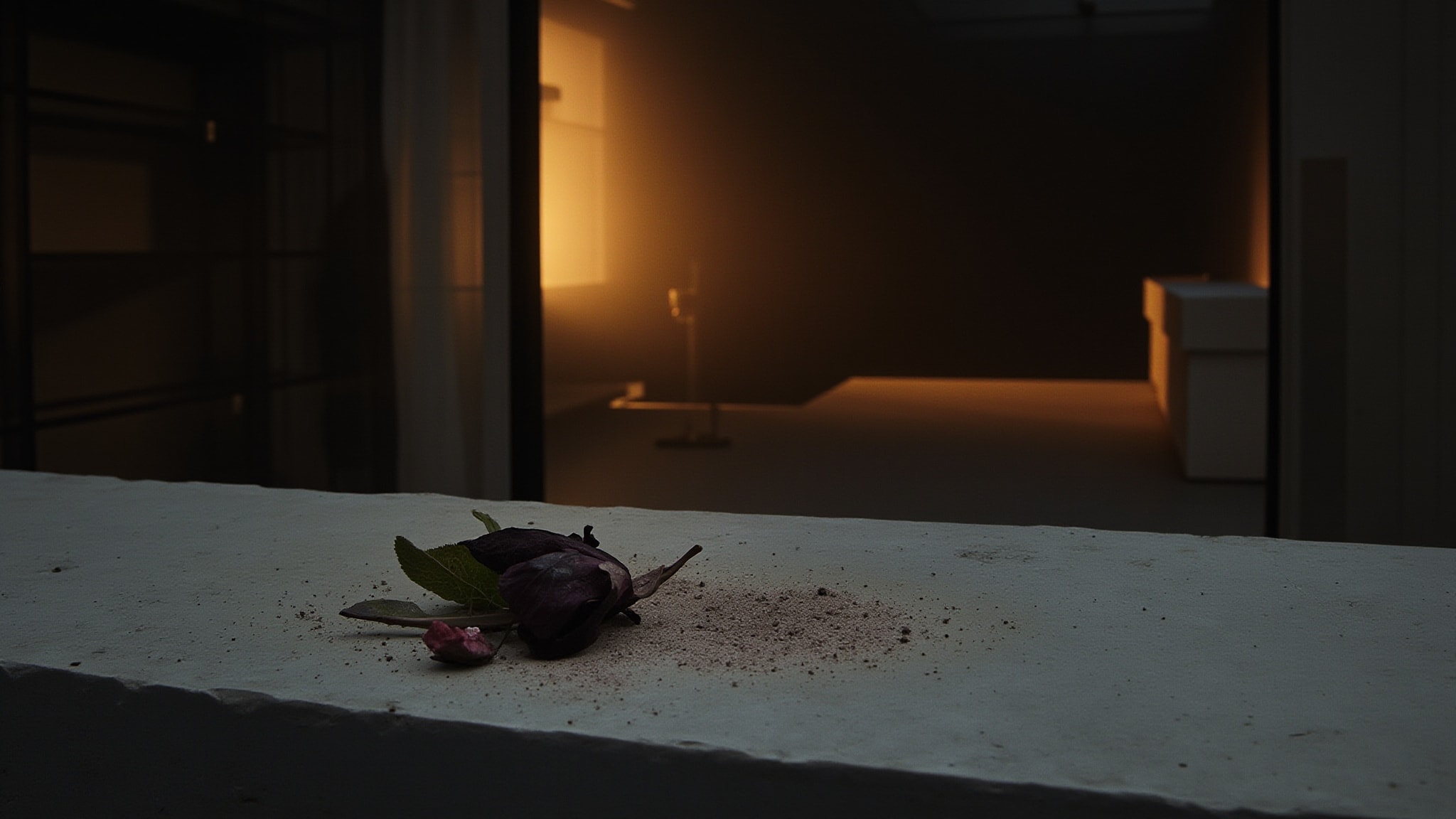
Noir chose to go underground. Patchouli and black violet became the entire brief: earth meeting shadow, sweetness meeting dirt, nothing raised for decoration. The name wasn't accidental. The composition withdraws into itself, gets darker with each hour, and asks the wearer to be comfortable in that place. A fragrance designed to be sensed before it's identified, the way candlelight changes the color of a room. There is something deliberate about choosing darkness as a starting point instead of an endpoint. So many compositions treat shadow as a base note, something to arrive at after bright citrus has had its say. Here, shadow is the opening position, the condition you walk into before anything else has a chance to speak.
The construction holds firm on a foundation of patchouli, with black violet threading through as the only counter-narrative. The wearer experiences the same conversation from the first spray onward, though the register shifts gradually, getting quieter and closer as the hours pass. The black violet carries a dusty quality that sits between fruit and flower, never quite settling into one category, offering a wine-like edge that gives the whole composition a fermented, bruised sweetness. What's notable is how the two materials refuse to separate into discrete phases.
The evolution
On skin, Noir opens with a sharp handshake of patchouli, the kind that smells less like a polished oil and more like raw, slightly medicinal earth you'd find if you crushed a leaf between your fingers. The black violet doesn't stay in the spotlight. It tucks into the patchouli, adds a wine-dark sweetness, and then submits to the dominant material. The composition settles into a powdery, earthy warmth that reads almost monochrome. Violet contributes a faint floral hum that keeps things from going fully subterranean, and the way it hovers just at the edge of perception gives the whole composition a feeling of restraint. As the fragrance moves through its development, the texture changes in subtle ways without ever announcing a shift.
Cultural impact
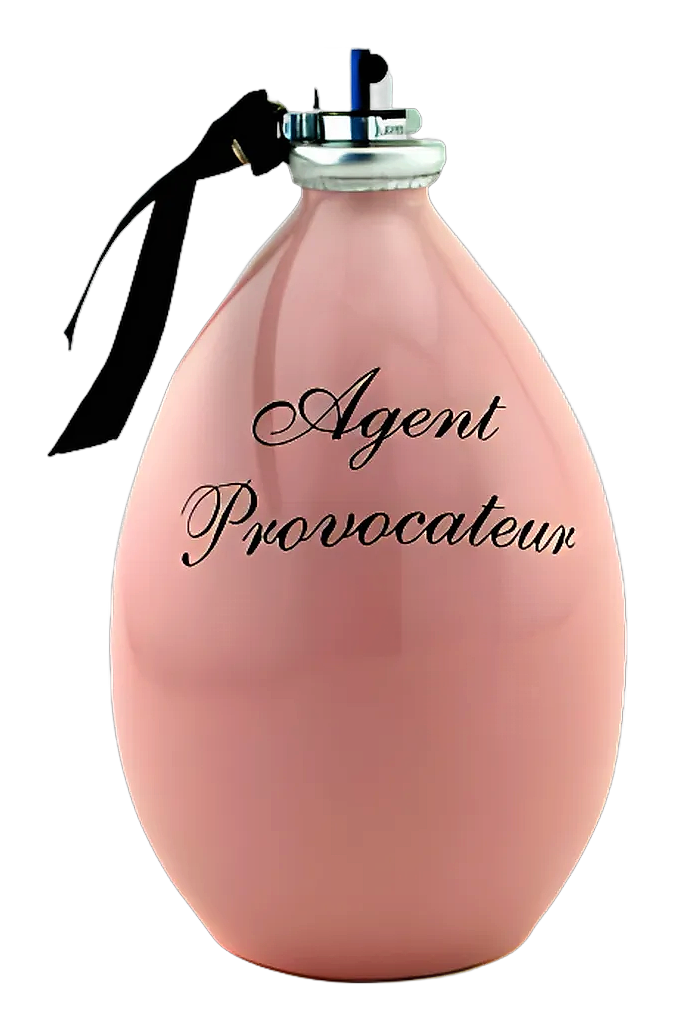
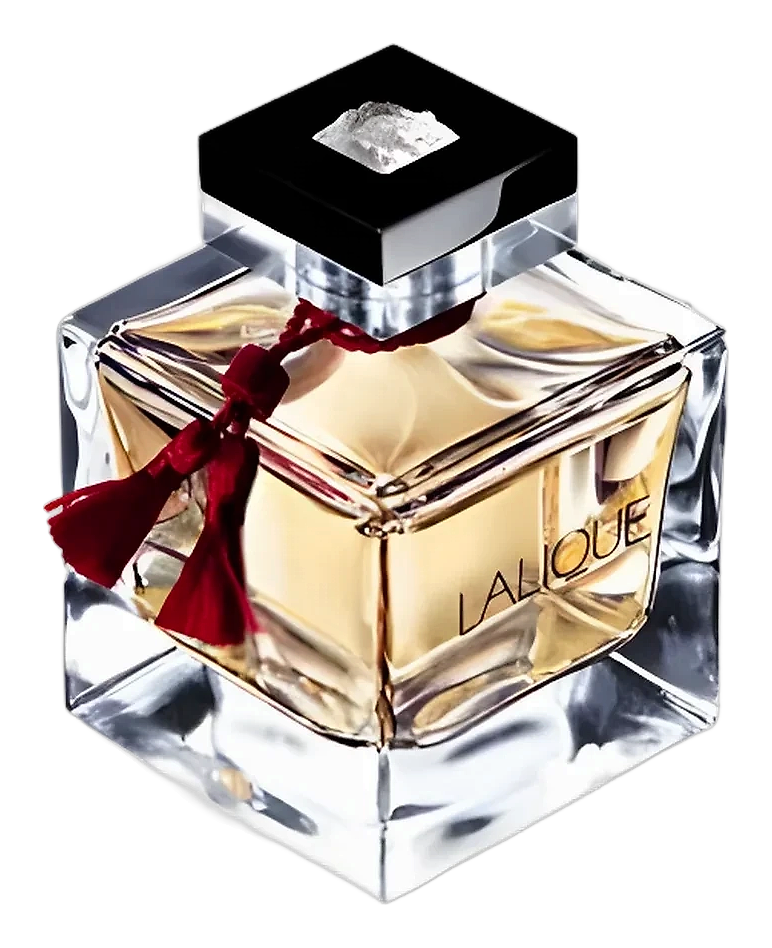
Among nearby references, it sits alongside Lalique's Le Parfum for its powdery intimacy and shares gentle kinship with Agent Provocateur's signature floral darkness. The composition reads as a quiet rejoinder to louder formulations, interested in what happens when fragrance stops trying to announce itself and starts working at the level of texture instead. It's a scent that seems unconcerned with categories or trends, finding its appeal in the kind of patina that only emerges when materials are given room to develop slowly on skin.