The Story
Why it exists.
The beginning
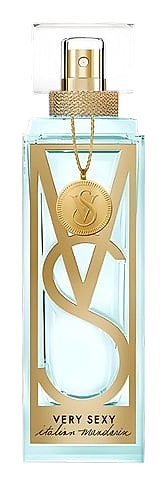
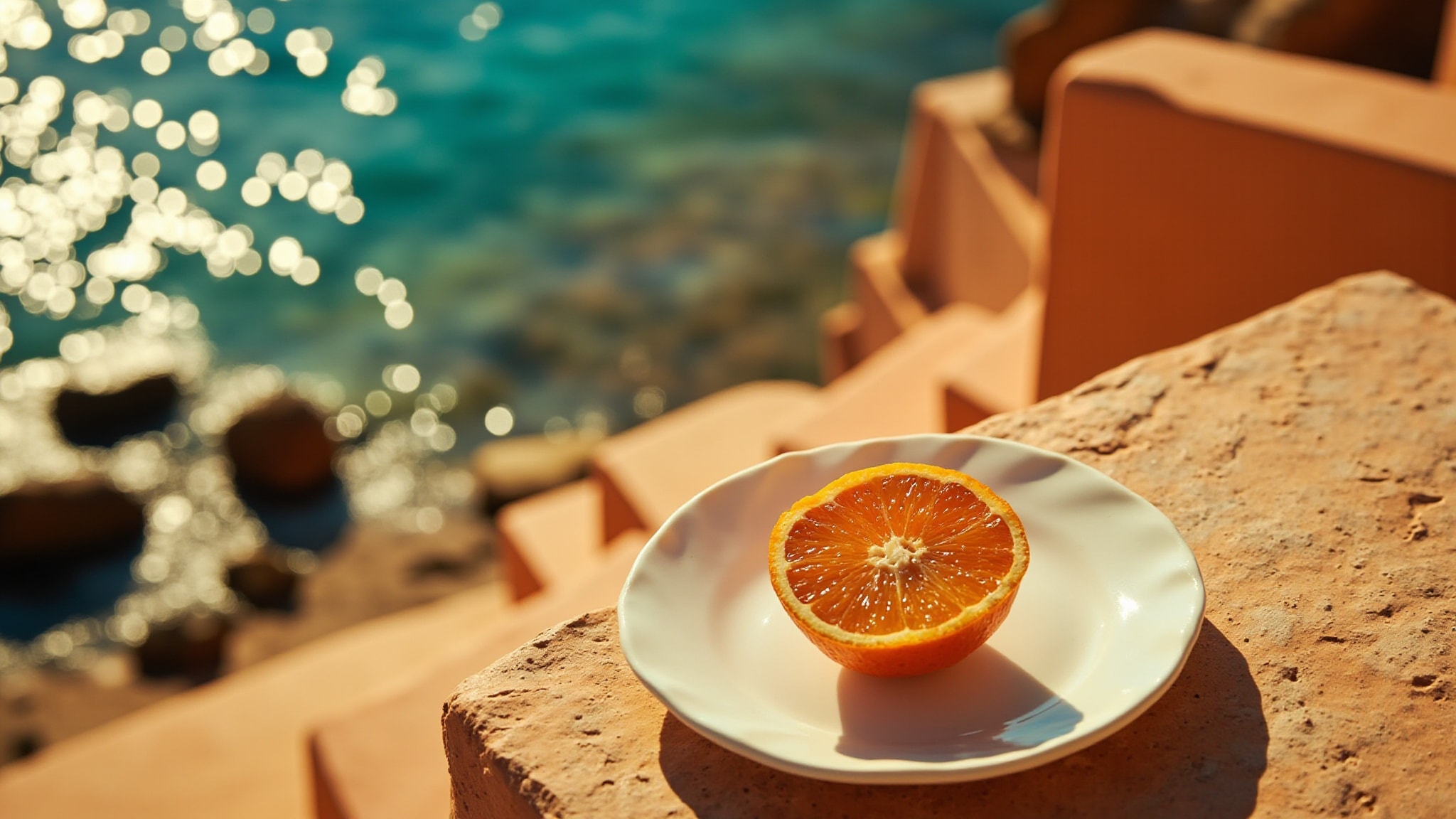
The name says it all. Italian Mandarin is that specific, sun-ripe citrus from the Mediterranean coast, where the groves run down to warm stone and the air tastes the way this smells. Aurélien Guichard built the brief around a summer afternoon in Italy, the kind that stretches past sunset. The bergamot keeps it honest. The coconut milk keeps it warm. It's not trying to transport you anywhere complicated. Just somewhere good.
The pairing of citrus and coconut milk sounds straightforward, but getting it right is harder than it looks. Too much coconut and you've got sunscreen. Too much citrus and it turns sharp and one-dimensional. The trick is the lactonic quality the perfumer drew from the coconut milk note itself, that creamy, slightly sweet warmth that softens the mandarin without weighing it down. It's what separates this from the beach candles and the body sprays. Guichard used a synthetic-aquatic base to keep the whole thing feeling modern and clear, which is how Victoria's Secret tends to approach warm-weather fragrances. The result smells like the idea of a perfect beach day, not the reality of one.
The evolution
The opening hits bright and tart, Italian mandarin leading with the peel's natural bite. Bergamot opens alongside it, that clean floral-citrus sharpness that keeps the sweetness honest. For the first twenty minutes you're all citrus, the kind of clarity that reads as refreshing. Then the coconut milk starts to read, creeping into the composition as the citrus begins to settle. It's not a dramatic transition. More like the light shifting as the afternoon moves sideways. By the second hour the coconut creaminess has taken over the heart, the mandarin now just a warmth underneath rather than the main event. This is where it lives for most of its wear, that citrus-coconut blend that smells like the hour after you get out of the water. The drydown is quiet. Clean skin, a faint warmth. Nothing animalic, nothing dramatic. Lasts 4-6 hours on most skin.
Cultural impact
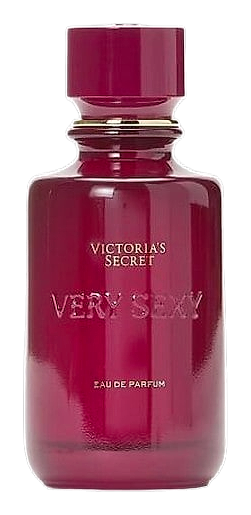
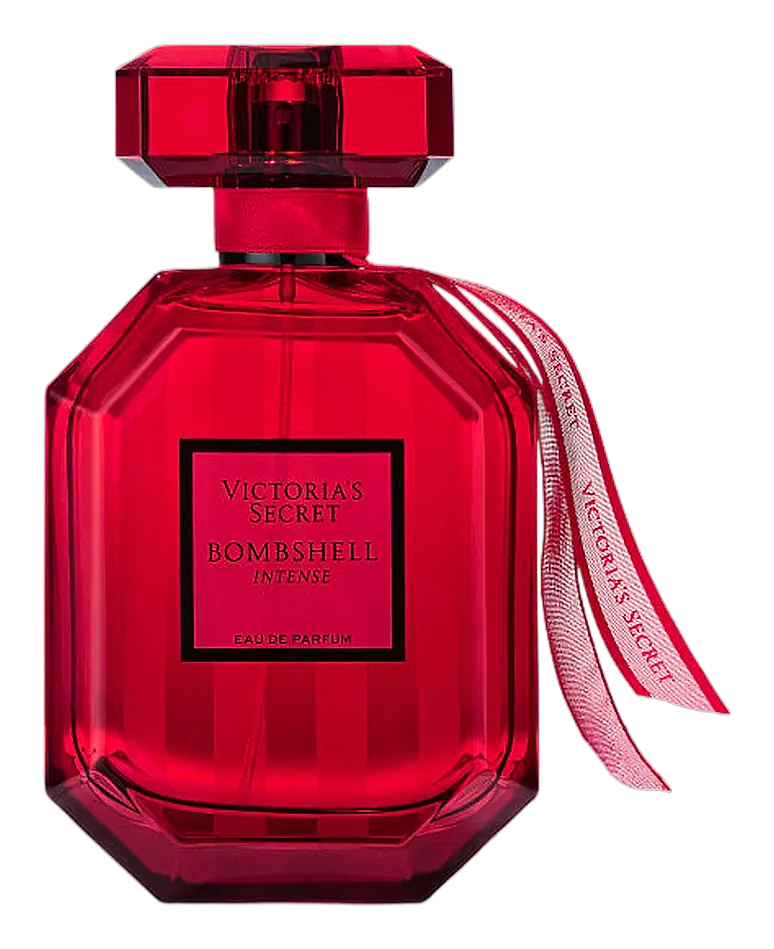
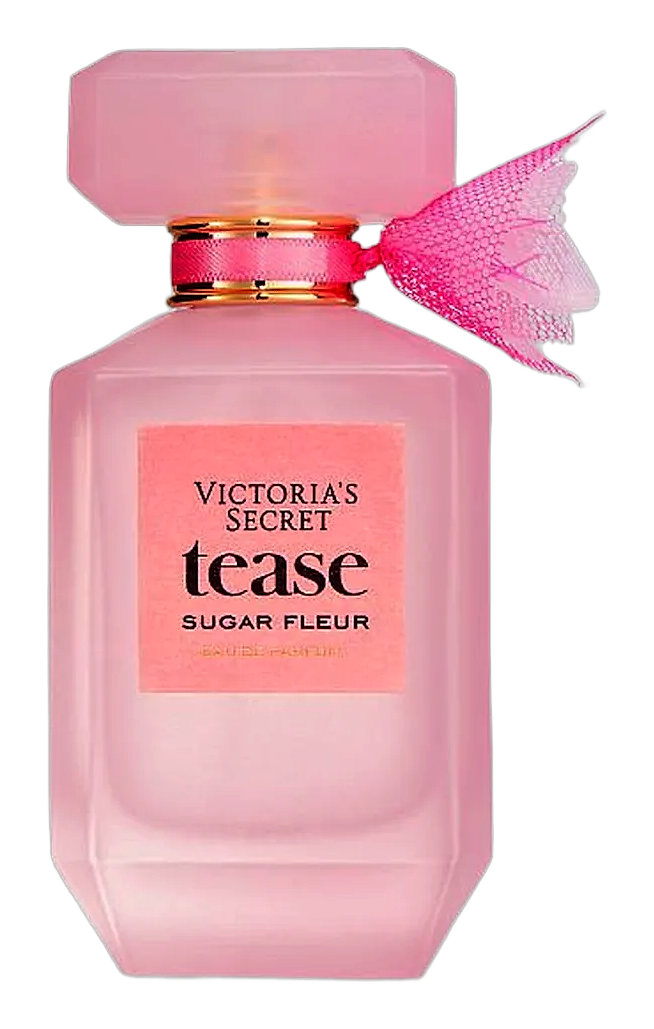
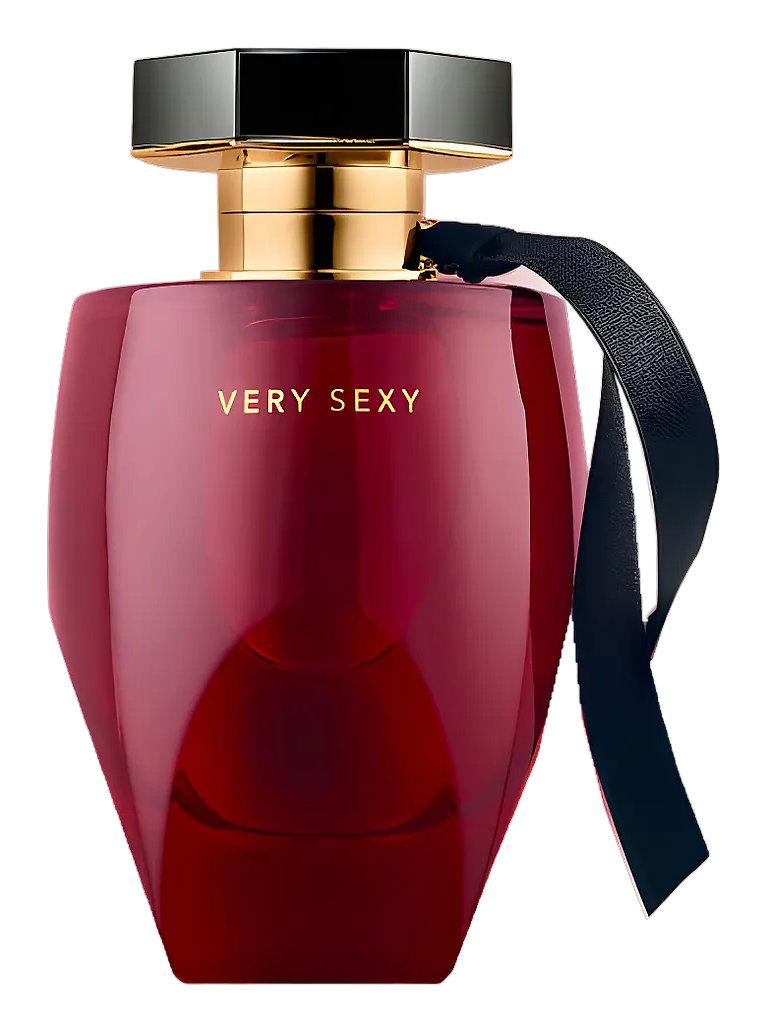
Very Sexy Italian Mandarin fits neatly into the VS playbook: accessible, warm-weather fragrance marketed as part of an aspirational lifestyle rather than a niche craft. It never generated the cult following of Bombshell or the longevity of Tease, but in its element it works exactly as intended. The citrus-coconut combination is recognizable without being generic, and the 2013 launch window placed it at the tail end of the beach-glow beauty trend that dominated that era.
The House
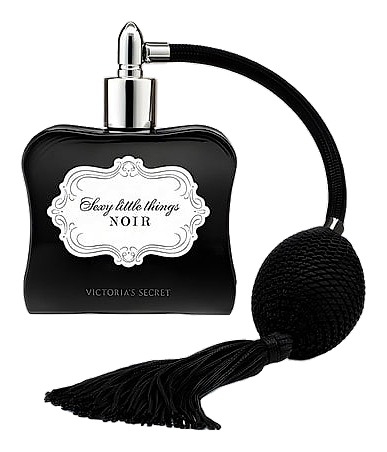
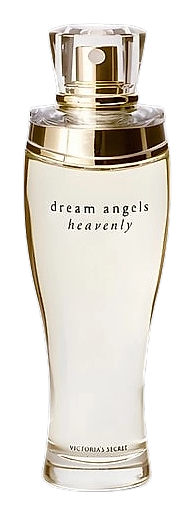
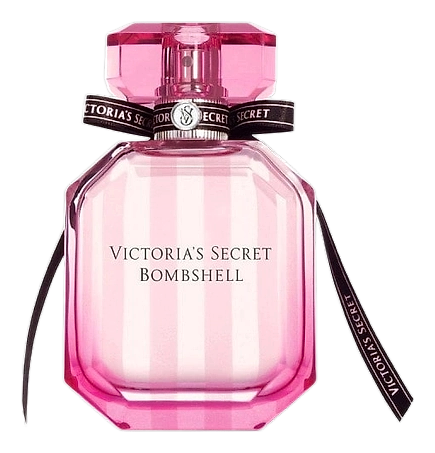
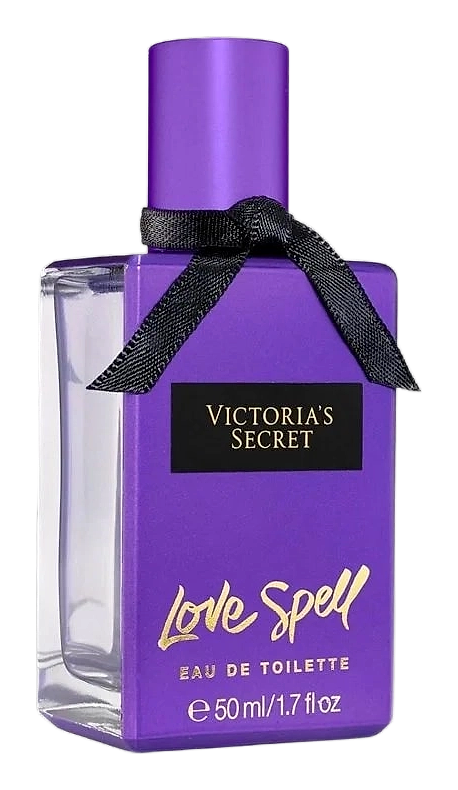
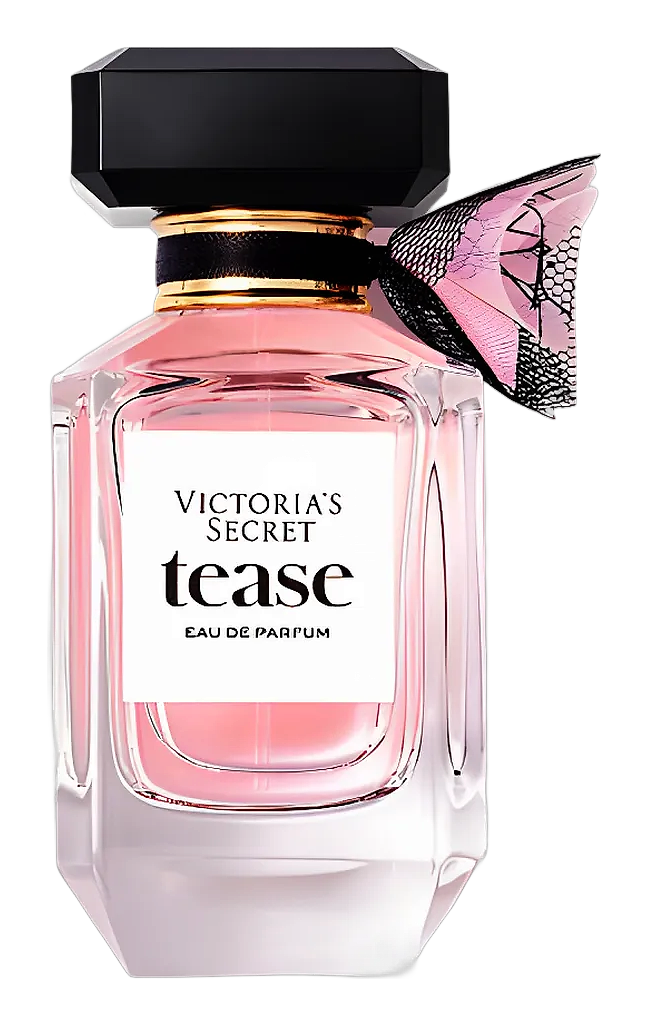
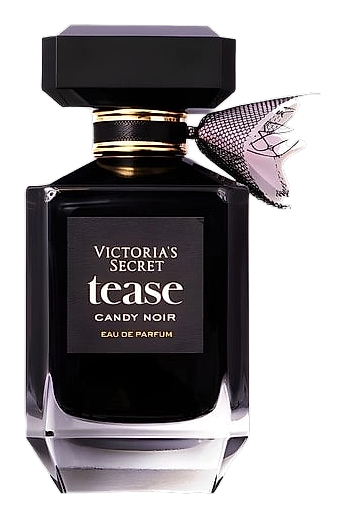
Victoria's SecretVictoria's Secret began as a San Francisco lingerie company founded in 1977 by Stanford graduate student Roy Raymond and his wife Gaye. The brand entered fragrance in 1989, launching its first perfume Victoria as part of a national magazine campaign. By the early 1990s, the company had grown to 350 stores nationwide with estimated sales of $1 billion. The beauty division grew substantially enough to generate nearly $1 billion in sales by 2006. Victoria's Secret fragrances are developed through Givaudan's Paris laboratory, the same fragrance house behind perfumes for Tom Ford, Prada, and Louis Vuitton. The brand works with a rotating roster of over 30 perfumers rather than a single in-house nose, creating scents for its Dream Angels, Very Sexy, Body, and Pink collections. Popular fragrances include Bombshell, Love Spell, Tease, and Heavenly, which ranked as the top-selling fragrance in the United States by both revenue and volume from 2005 to 2010. Victoria's Secret has won 20 Fragrance Foundation awards since 2001. The company offers fragrances alongside perfumed body care products including body mists, body lotions, and eau de parfum in various formats.
The Creator
Aurélien GuichardAurélien's style could be described as refined and elegant, with a focus on natural ingredients. He often uses roses, a nod to his family's history, but he isn't limited by tradition.