
The Story
Why it exists.
The beginning
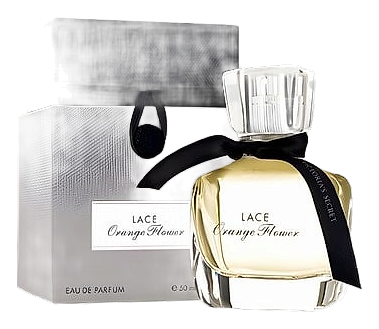
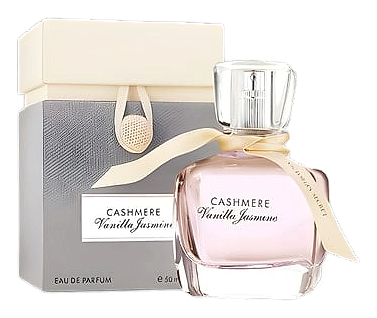
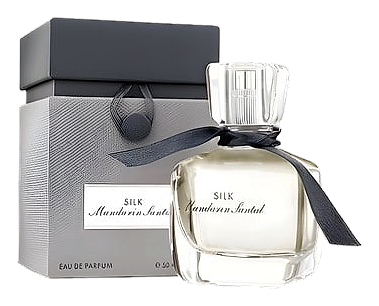
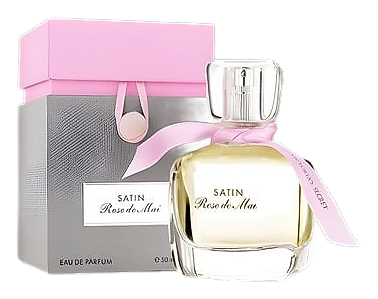
In 2009, Victoria's Secret released the Parfums Intimes collection as an homage to the fabrics at the heart of the brand. Four fragrances, each named after a material: cashmere, silk, satin, and lace. Satin Rose de Mai took its inspiration from the fabric itself, smooth, lustrous, draped close to skin. The 'Mai' references the May rose, the rose de mai, harvested in Grasse during one brief month of the year. The idea was olfactory texture: what would satin smell like if you could bottle it?
The composition pairs bright citrus with a warm floral heart, a structure that lets each note do a specific job. Grapefruit and mandarin blossom arrive first, citrusy and immediate, creating an opening that reads as morning light through curtains. Then honeysuckle takes over, sweeter, headier, with a tropical richness that grounds the brightness. The rose arrives not as the first impression but as the foundation, steady beneath the others. It's rose as infrastructure, not rose as statement. What makes this work is the citrus staying present through the heart, keeping the florals from getting heavy or old-fashioned.
The evolution
The opening is all citrus sparkle, grapefruit's sharp edge softened by mandarin blossom's sweet peel. Within minutes, honeysuckle slides in alongside it, tropical and round. The rose appears around the 15-minute mark, not as a separate phase but as a settling, everything slowing down together. By the second hour, the citrus has mostly gone quiet, leaving honeysuckle and rose as a single warm note. This is where it lives for the next four to six hours: clean, close to skin, intimate. The drydown is brief, a faint warmth that doesn't announce itself. On fabric, though, the rose holds longer. The morning after, there's still something soft there, like a pillow that remembers you.
Cultural impact
Part of the 2009 Parfums Intimes collection, Satin Rose de Mai arrived during a period when Victoria's Secret was expanding its beauty division into a billion-dollar business. The collection positioned fragrance as an extension of the brand's fabric story, each scent inspired by the materials in the lingerie itself. It found its audience among wearers who wanted something cleaner and more wearable than the brand's bolder orientals and Gourmand releases, a rose for people who didn't think they liked rose.