
The Story
Why it exists.
The beginning
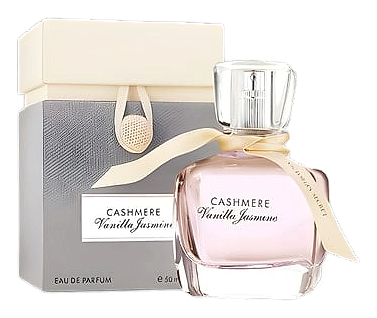
The Parfums Intimes collection arrived in 2009, four fragrances inspired by the materials that made Victoria's Secret famous, cashmere, silk, satin, lace. Cashmere Vanilla Jasmine translated the softest of those fabrics into scent. Vanilla and jasmine are familiar territory, but cashmere wood was the twist, a material note that behaves more like a feeling than a fragrance.
Cashmere wood is the outlier here. It's a synthetic aromatic material designed to mimic the tactile sensation of the fabric, soft, slightly powdery, with a warmth that reads more like skin than wood. Pairing it with vanilla creates a base that's sweet without being sticky. Jasmine keeps it from sliding into pure comfort, a slight green-floral lift that prevents it from flattening out. The three don't compete. They layer.
The evolution
The opening is all vanilla and jasmine together, warm and bright, no sharp edges. The jasmine arrives quickly but never dominates. Within the first thirty minutes, the cashmere wood announces itself: a soft, powdery presence that makes the whole composition feel cushioned, like fabric against skin. By hour two, the vanilla deepens. It becomes less sweet, more resinous, the kind of vanilla that remembers it came from a pod. The jasmine fades to a background whisper. What remains is warm, close, and quiet. At hour six or seven, on dry skin, it's a skin scent. Barely there. But on clothing, it lasts overnight. The cashmere wood seems to bond with fibers, the next morning, your sweater smells like the idea of comfort itself.
Cultural impact
Cashmere Vanilla Jasmine built a quiet cult following during its time on shelves. Its discontinuation in the early 2010s only intensified the devotion, the people still hunting it down are the same ones who wore it daily and never thought to explain why. It sits alongside Bare Vanilla as one of the most-requested discontinued scents in the brand's history.