
The Story
Why it exists.
The beginning
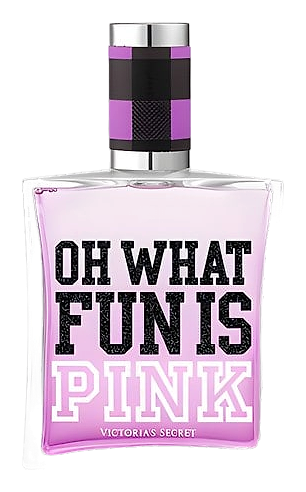
Oh What Fun Is Pink arrived in 2011 as a holiday-season limited edition, one of those small-batch drops Victoria's Secret seeds into the run-up to December to capture the seasonal gift rush. The name borrows from the PINK sub-brand, the company's younger-skewing line that brought the lingerie label's signature aesthetic to a different audience. This wasn't a flagship launch. It was a small seasonal release, the kind of thing meant to sit alongside ribbons and wrapping paper in mid-November displays. Perfumer Gil Clavien was given a brief built on two notes and a mood: peony and amber, nothing else, translated into the icy-warm territory Victoria's Secret had staked out across its seasonal fragrance work for years.
Clavien's bet was that peony alone could carry the dewy, floral-cold register without backup from citrus or green stems, and that amber would provide enough warmth and resinous persistence to anchor the whole short-lived composition. Peony here doesn't read as lush or bouquet-like; it reads as the flower caught at its most brittle, petals still holding frost, stems rigid in a window vase. The amber, meanwhile, doesn't arrive as the syrupy labdanum-heavy base of an oriental.
The evolution
Sprays on cold, almost mineral, as if peony petals had been left overnight on a windowsill. The first twenty minutes feel less like perfume and more like the memory of one. Around the half-hour mark the amber intervenes, not as a sharp pivot but as a slow thaw, warming the peony from the bottom up without overpowering it. What carries through the middle hours is the dialogue between those two notes; nothing else enters, nothing else needs to. The drydown is where the longevity question lives. On most skin the amber lingers as a soft skin-warmth for the remainder of a standard workday, though the cool peony halos fade sooner than the warm base. There's no dominant survivor that overstays; both notes bow out at roughly the same time. The next morning on fabric, what remains is a faint amber trace, almost powdery, the kind of ghost scent that makes you check the sweater before washing it.
Cultural impact
This fragrance sits firmly in the holiday-gift category rather than the collector's shelf. Its place in the broader conversation is less about cultural statements and more about the affordable American perfume-buying tradition it belongs to. The audience for these limited drops tends to be nostalgic rather than current, with many wearers associating the scent with a specific gift-receiving memory rather than an active fragrance wardrobe. There's a secondary market in discontinued bottles that shows up around the holidays every year, and the resale listings tell their own story about who still wants this scent and why.