The Story
Why it exists.
The beginning
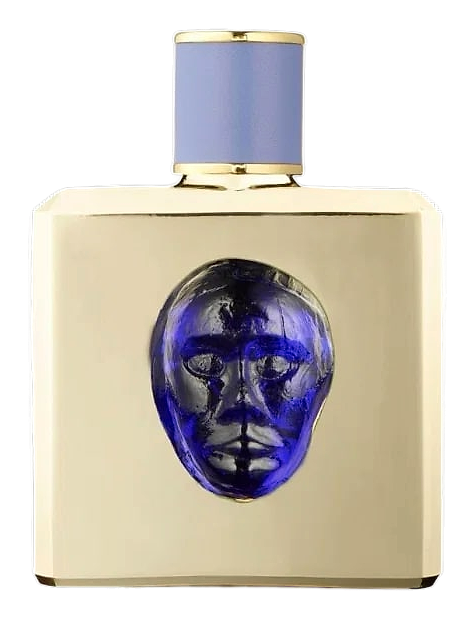
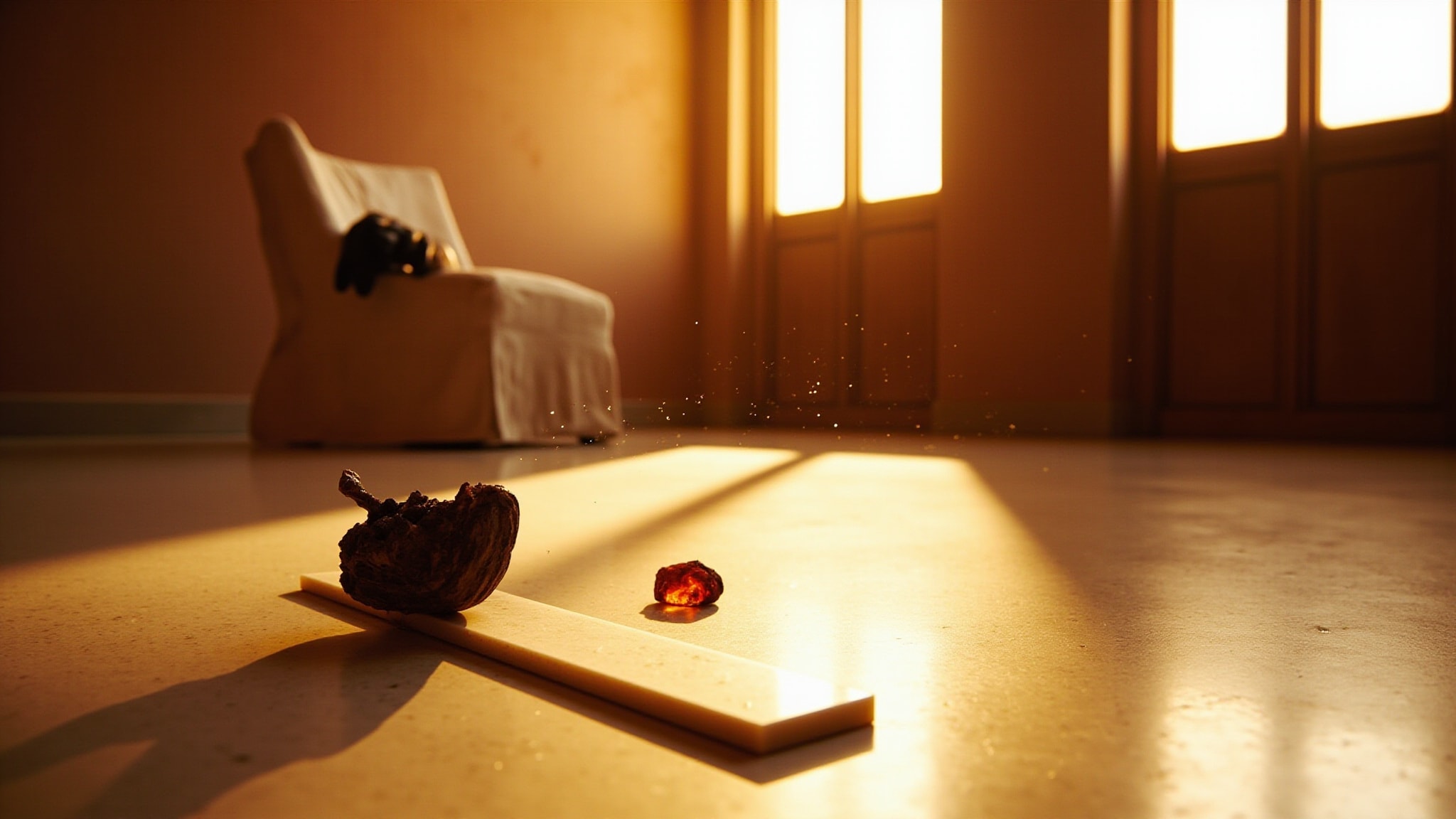
Blu Cobalto I arrived in 2018 as part of Valmont's Storie Veneziane collection. The bottle design was credited to Didier Guillon and Leonardo Cimolin. Cobalto, Italian for cobalt, references the deep blue coloring that distinguishes it within the range. Inside sits a composition built on three materials: patchouli, specifically the Malayan variety, cacao, and opoponax resin. Valmont frames the scent as 'uniquely addictive,' a phrasing that positions it as a signature piece within the house's lineup. The composition keeps things tight, working with a trio rather than chasing complexity through sheer volume of materials. Each note carries enough presence to register individually, yet they braid together into a coherent whole rather than competing for attention.
What makes this composition unusual is the inversion of expectations. Patchouli leads here, and the Malayan variety carries a darker, more fermented character that gives the opening its weight. The cocoa note arrives as a material, slightly bitter, with the dusty warmth of raw cacao rather than a chocolate bar, and it never tips into gourmand territory. There's no vanilla halo, no sugar crust, nothing to make it smell like dessert or confection. Instead it reads as something closer to unsweetened baking chocolate, the kind that dusts a hand brown when you break a square.
The evolution
The opening reads cold and mineral, the patchouli arriving before anything sweet has a chance to register. The cocoa enters as a texture, dusting the earth with something powdery and warm, settling in alongside the patchouli rather than sitting on top of it. As the composition develops, the opoponax weaves into the structure, and the whole thing shifts from cold mineral to warm skin. The middle hours belong to the cocoa-patchouli accord, which thickens rather than dissipates. What's left in the later hours is a close-to-skin trace of resin and dark earth, almost incense-like, detectable mostly to the wearer and anyone standing very near. On fabric, the scent leaves a quieter impression, reading as something faint and lingering. Throughout its evolution, the fragrance maintains a consistent gravity, never lifting into brightness but rather settling deeper into its own weight.
Cultural impact
The reference to Mugler's A-Men in community discussion suggests it occupies adjacent territory for those who like their sweet scents to carry weight and darkness. Cocoa-patchouli compositions sit in a small category of fragrances that treat both materials as raw ingredients rather than as shorthand. In community discussion, Blu Cobalto I comes up as a point of comparison for anyone seeking a scent that resists easy categorization. The conversation around it tends to focus on what it isn't as much as what it is: not a gourmand, not a classic chypre, not a straightforward oriental.