The Story
Why it exists.
The beginning
Verde Erba I belongs to Valmont's Storie Veneziane collection, fragrances conceived as olfactory portraits of Venice. The name itself is a small Italian poem: verde erba means green grass, the fresh growth that carpets the city's hidden gardens and canal banks each spring. It is a fragrance about a moment, not a place, the specific hour when winter finally releases its grip and the city exhales. The collection's brief was to translate Venetian legend into scent, and Verde Erba I does this by reaching for something more ephemeral than canals or carnival: the city's seasonal rebirth, rendered in seringa, papyrus and vanilla absolute. Launched in 2018 alongside Gaggia Medio I, it marked Valmont's early commitment to the Storie Veneziane line before the collection expanded further.
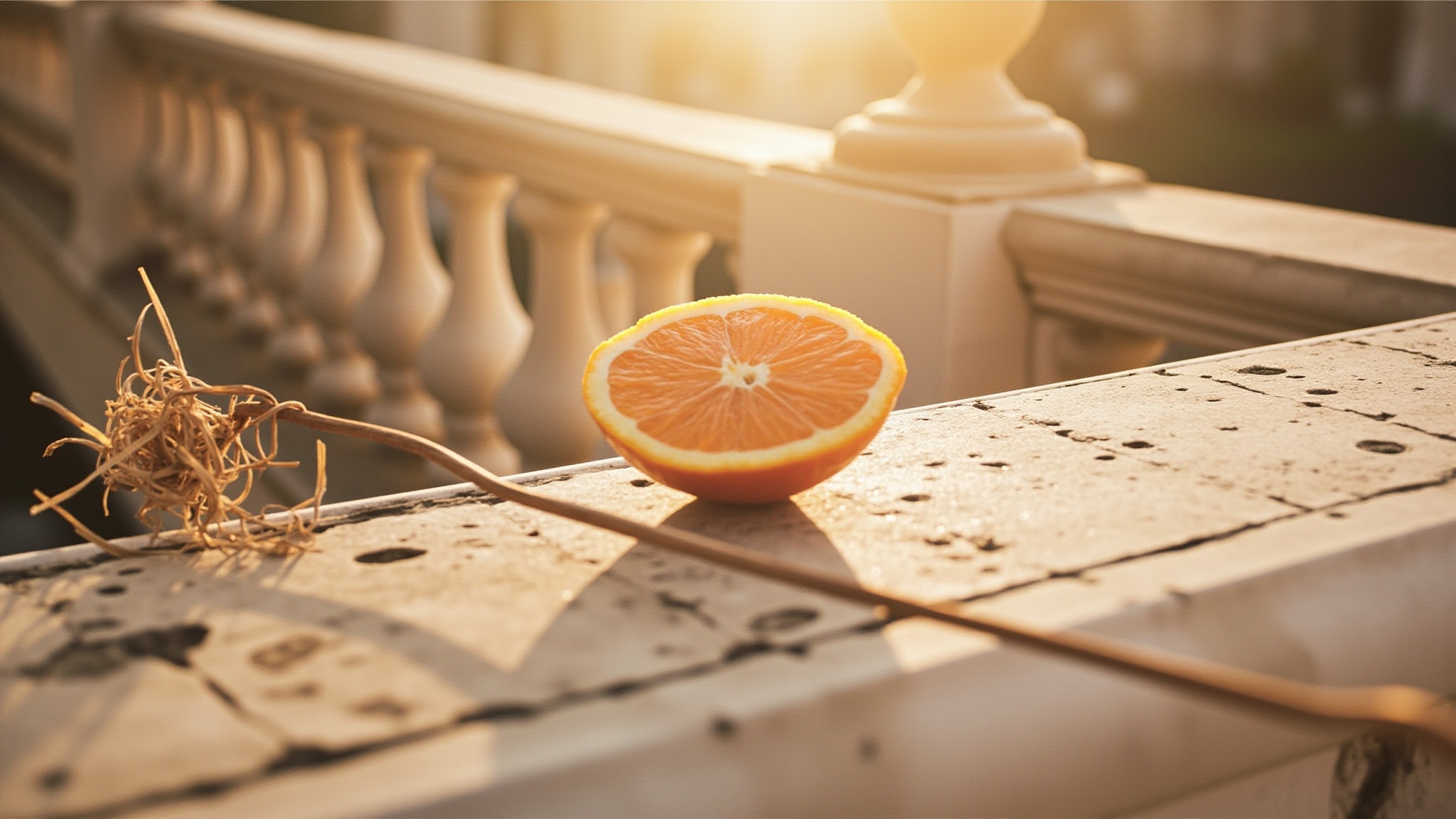
What makes this composition unusual is its refusal to follow the typical white floral playbook. Rather than rose or jasmine, notes so common they've become invisible, Verde Erba I builds its heart around seringa, also known as mock orange. A garden shrub more often pruned than perfumed, it offers a citrus-tinged floralcy that reads green in a way true jasmine never does. The papyrus note is stranger still. In perfumery, woody and mineral materials usually anchor bases, cedar, sandalwood, vetiver. Papyrus offers something different: a dry, slightly smoky mineral character that reads almost like old paper.
The evolution
The opening arrives bright and certain. Mock orange asserts itself immediately, not the heady white floral overload of some niche compositions, but something cleaner, greener, with a citrus edge that makes it read as morning rather than evening. The brightness holds for thirty to forty-five minutes before papyrus begins its slow emergence. This is not a dramatic transition. The earthy, dry character of papyrus settles in quietly, almost as if replacing the air around the florals rather than replacing the florals themselves. By the second hour, mock orange has receded and papyrus has claimed the stage, its mineral, slightly smoky character grounding what was once bright into something more contemplative. Vanilla absolute arrives last, but it does not dominate. It warms. It softens the edges of the papyrus without erasing them. The result is a drydown that smells like warm skin and old paper, intimate rather than announced. On most skin types, this lasts six to eight hours, longer than expected for something so restrained in its sillage.
Cultural impact
Verde Erba I occupies an unusual position in the niche fragrance landscape: a white floral that refuses to behave like one. The papyrus note gives it an unexpected mineral-earthy character that sets it apart from more conventional florals, appealing to collectors who want something that doesn't follow the expected playbook. Its restrained sillage and moderate projection make it a quiet proposition, a fragrance for someone who wears scent for themselves rather than the room.