The Story
Why it exists.
The beginning
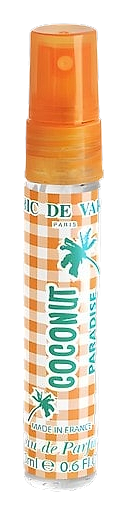
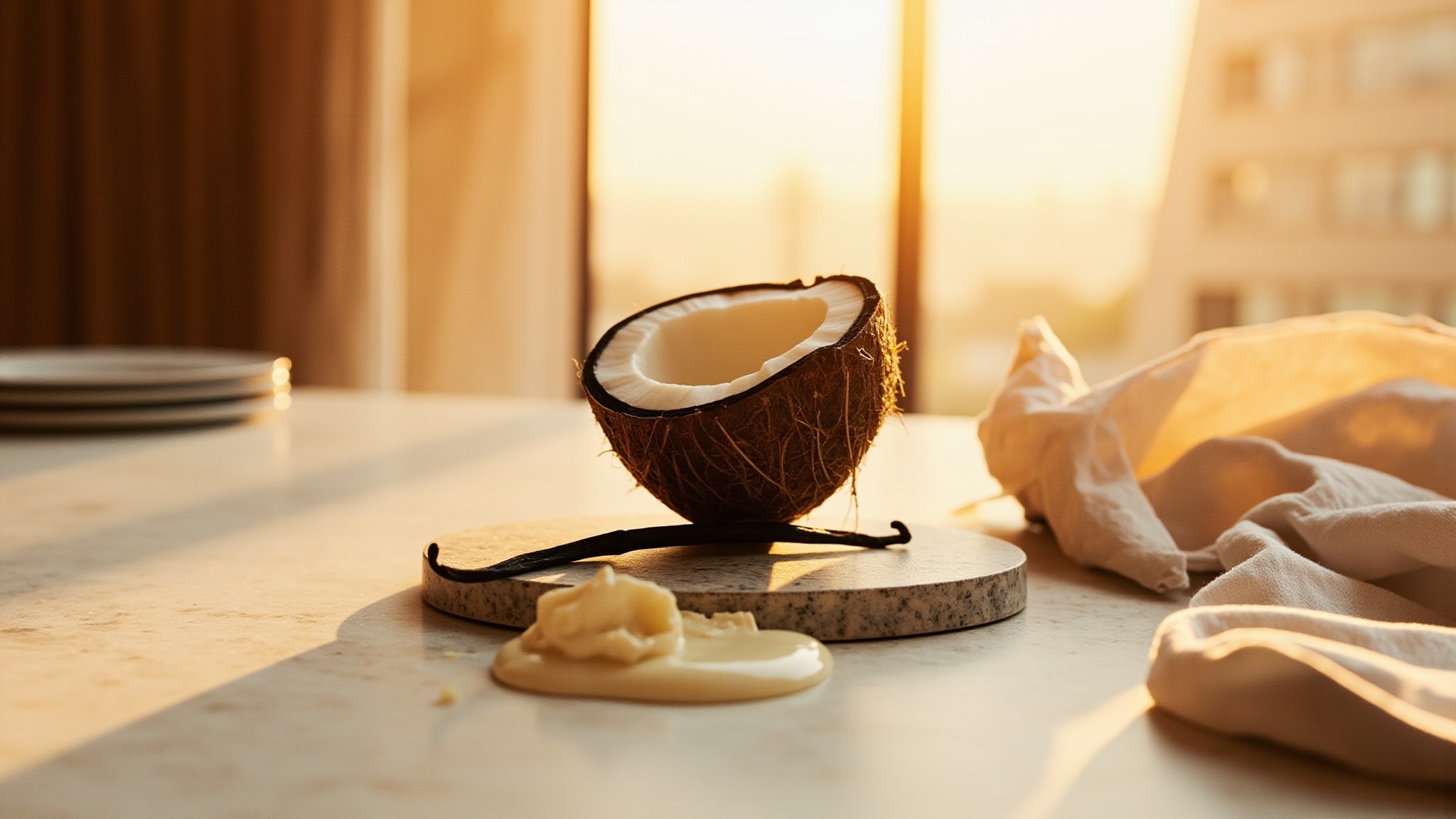
Launched in spring 2013, Coconut Paradise arrived as part of the Sexy Paradise collection, a lineup that sources describe as youthful, modern, and joyful. The collection offered a tropical escape in a bottle, and this fragrance delivers on that promise with coconut milk paired against heliotrope's powdery softness. The heart builds from coconut and vanilla into something that smells edible without tipping into confectionery. Milk and peach form the base, giving the fragrance a soft, creamy close that rests gently against the skin rather than projecting into the surrounding air.
What makes Coconut Paradise structurally interesting is its use of milk and peach in the base. The milk note is warm, slightly creamy, more skin than substance, and it does something important: it keeps the sweetness from reading as flat or one-dimensional. Without the peach's subtle fruitiness, this might read as pure coconut cream. With it, there's a dimensionality that rewards wearers who lean in close. The lactonic quality, the milkiness that bridges top and heart, is the structural spine of the fragrance.
The evolution
Coconut milk opens bright, almost immediately sweet, with heliotrope's powder lifting the top without softening it entirely. What follows is a slow deepening, coconut and vanilla settling into the skin like something half-eaten left in the sun. The heart is warm and edible, closer to coconut cream than coconut water, and it holds there for a couple of hours before milk and peach arrive to cool it down. By hour three or four, the peach reads more as warmth than fruit, a softening rather than a freshening. The milk is the quiet presence here, the creamy foundation that never shouts. As time passes, what remains is a ghost of coconut and something almost skin-like, faint and intimate against fabric.
Cultural impact
Coconut Paradise taps into a longstanding olfactory nostalgia: beach vacations, tropical summers, and the coconut cream pie of childhood memories. Its lactonic, sweet character aligns with the body mist culture that dominated the 2010s, particularly among younger consumers seeking accessible gourmand and tropical scents. The fragrance captures a mood that many wearers recognize from their own sensory memories, translating familiar comfort into something wearable. These sweet, approachable fragrances became touchstones for an entire generation exploring their relationship with scent.