The Story
Why it exists.
The beginning
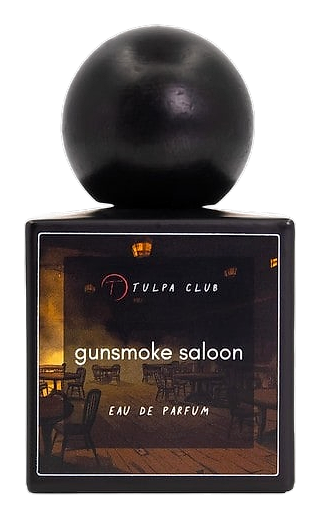
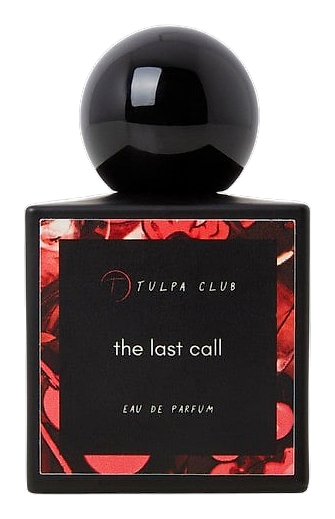
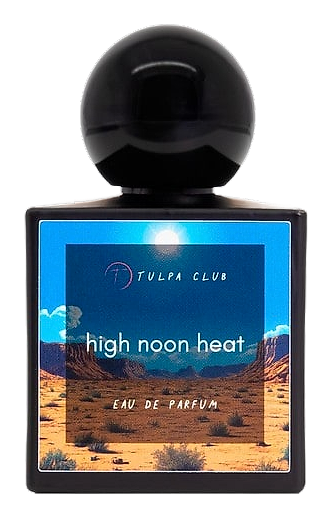
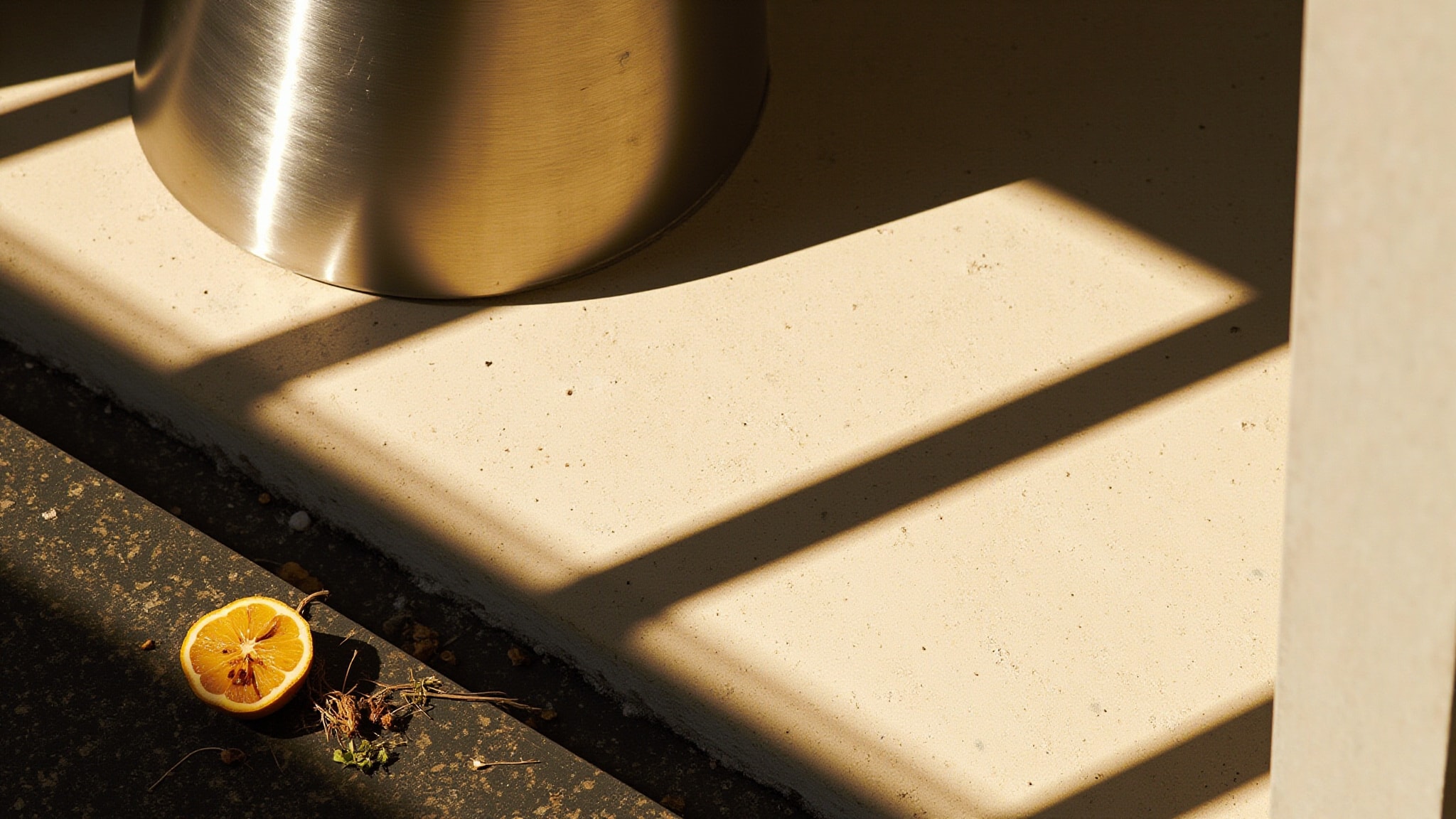
High Noon Heat arrived in 2025 as part of Tulpa Club's Season 2 collection. Its brief is cinematic and sharply physical: fresh citrus and dehydrated herbs at the beginning, heated metal and desert blooms in the middle, then parched woods and powdery earth at the end. The opening feels bright and clean, with citrus cutting through the herbal dryness before warmer, mineral notes take over. In the heart, heated metal gives the composition a hard gleam while desert blooms add a dusty floral shadow. The drydown is parched and tactile, combining powdery earth with woods that seem sun-baked rather than green. The result is an eau de parfum for anyone who likes the scent of a tense scene with nowhere soft to land.
The composition finds its tension in temperature and texture. Citrus supplies an immediate, cooling flash, while dried herbs add a dry, wind-scoured edge. Heated metal introduces a harder, more reflective center, and desert flowers keep the heart from becoming simply dusty. Parched woods and powdery earth make the drydown feel sun-warmed rather than cool, a useful shift for a fragrance built around high-noon heat.
The evolution
The opening arrives with a clean, citrusy snap, dried herbs tightening the edges around it. That brightness gives way to a warmer middle where heated metal and desert blooms create a sunlit tension, more mineral than floral. As the scent settles, parched woods and powdery earth replace the sharper opening with a dry, sun-baked finish. By the later hours, the powdery base can feel like dust caught in hot air, while the woods leave a faint, dry trail. The progression is gradual but clearly staged: citrus and herbs supply the first flash, heated metal adds a harder reflective quality, and desert blooms bring a muted floral texture beneath that warmth. The base then becomes more dominant, with powdery earth softening the composition while parched woods keep it from turning especially sweet or lush.
Cultural impact
High Noon Heat sits within Tulpa Club's wider theatrical language, where fragrance becomes a scene with atmosphere and sequence. Its desert setting invites a close reading of heat, distance, and exposure through scent alone. Fresh citrus and dehydrated herbs establish a bright but arid opening, while heated metal and desert blooms introduce a harder, more tactile center. The base of parched woods and powdery earth keeps that impression grounded, carrying the composition toward a dry, sun-baked finish.