The Story
Why it exists.
The beginning
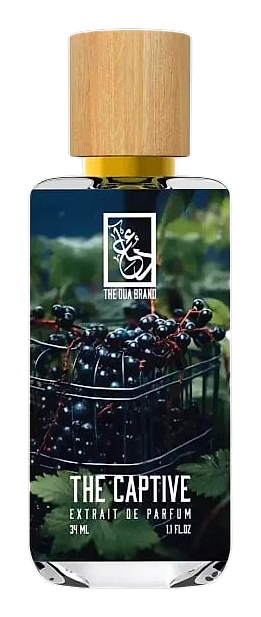
The Captive arrived in 2023 from Mahsam Raza, perfumer behind The Dua Brand, a house whose catalog reads like a scent library. This one draws its thread from La Cautiva, a composition by Fueguia 1833. La Cautiva paints captivity as longing rather than imprisonment, a metaphor for the way scent holds you in a moment before letting you go. The Dua Brand's interpretation carries that same wistfulness into a more accessible, musk-anchored register. The name is borrowed. The sensibility, the consequences, the willingness to sit with something bittersweet, all pass through intact. There's no cap on how a scent this intimate should behave, but The Captive behaves anyway.
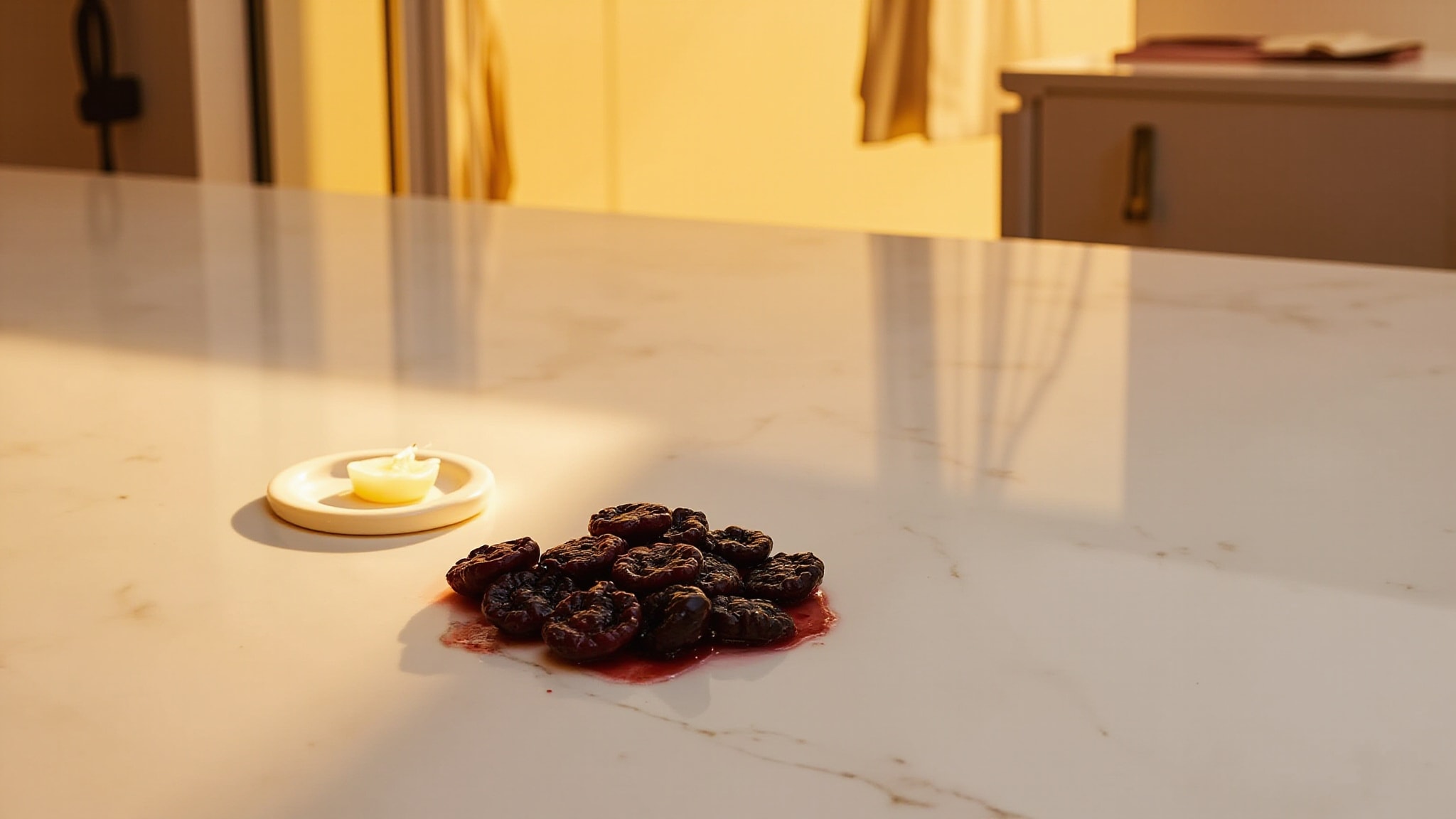
What makes this composition interesting is its restraint. Three notes, repeated across the pyramid rather than expanded, means every layer depends on the others. Blackcurrant carries the tartness and the depth. Vanilla brings the sweetness and the warmth. Musk does the structural work, the invisible scaffold that keeps the other two from floating away. There's no loud floral, no bracing citrus, no smoky base to complicate the conversation. Just three voices in a room, each one listening as much as it speaks.
The evolution
The opening lands first, and it lands dark. Blackcurrant arrives with a tart, almost wine-like bite, the kind of fruit note that reads as brooding rather than bright. The opening stage belongs entirely to this fruit, and it makes no apologies for its intensity. Then the vanilla begins to surface, not as a wave but as a slow warm-up. It doesn't replace the blackcurrant; it wraps around it. The tartness loses its edge, rounds out into something sweeter and more indulgent, the fruit softening into a warmer register as the vanilla gains ground. The musk underneath has been waiting patiently, and now it claims its space. This is the heart of the composition, and it reads warm, close, and settled into the skin.
Cultural impact
The Captive sits in an interesting space within The Dua Brand's catalog: a composition that reads as a love letter to a specific reference, La Cautiva by Fueguia 1833, rather than a broad genre exercise. The fragrance takes its inspiration from that original composition and rebuilds it through a different perfumer's hand, keeping the emotional core while shifting the materials and the balance. That kind of direct homage is relatively uncommon in fragrance, where most references are filtered through years of variation and influence until the original source becomes hard to trace. Here the lineage stays visible.