The Story
Why it exists.
The beginning
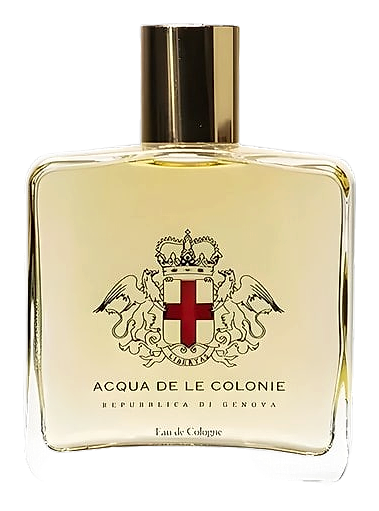
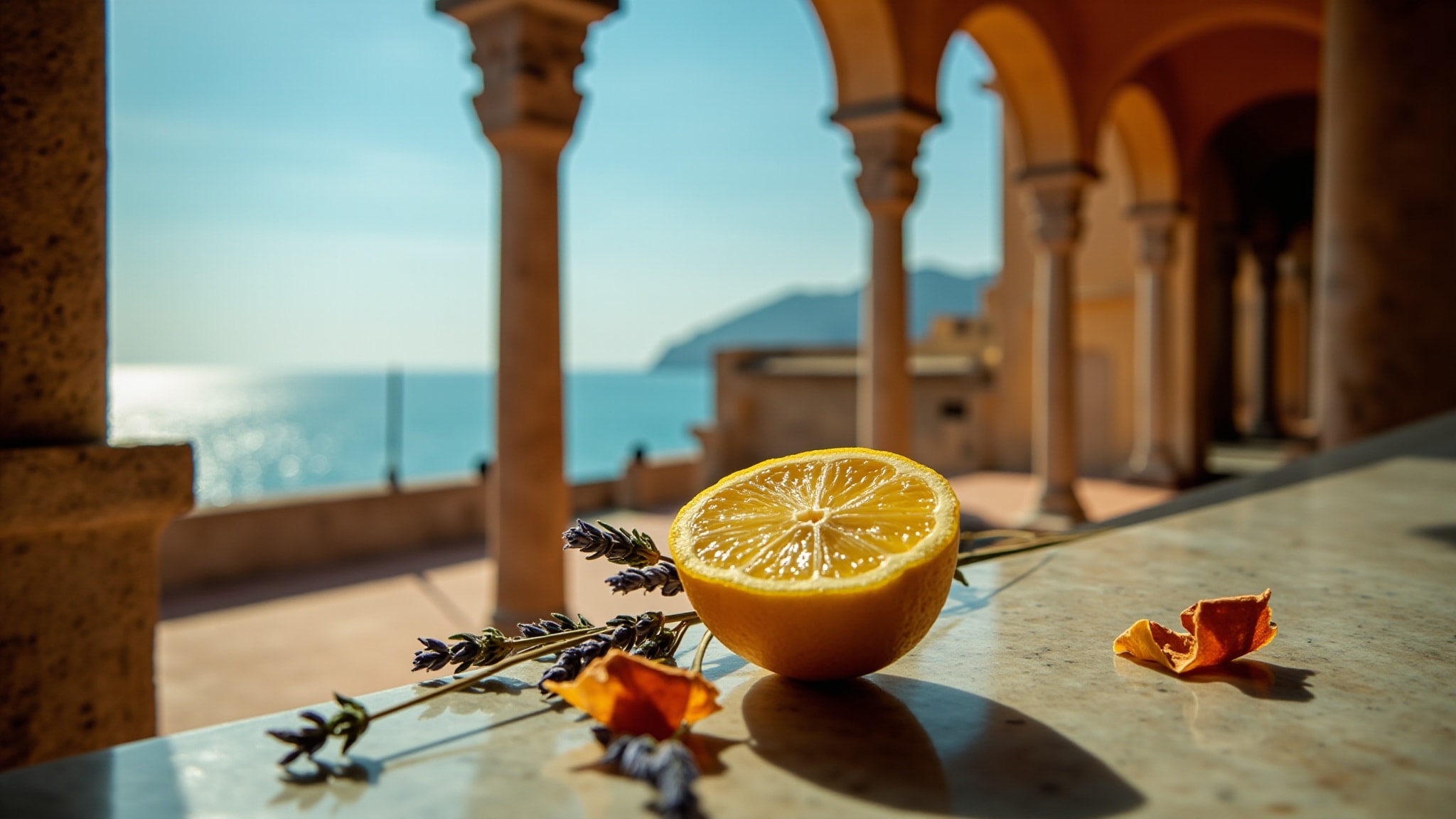
Acqua de le Colonie was launched during the 2020s as a unisex citrus-aromatic fragrance inspired by the Republic of Genoa. Lemon, bitter orange, camphor, lavender, geranium, ylang-ylang, and cloves form its composition. The fragrance brings together bright citrus, aromatic herbs, cool camphor, warm spice, and floral materials, creating a nuanced expression of freshness. Its varied note profile gives Acqua de le Colonie a distinctive character, with each element adding brightness, aromatic texture, or warmth to the overall scent.
The interesting part is the collision between familiar citrus and a slightly clinical camphor edge. Lemon and bitter orange contribute a vivid impression, while lavender, geranium, and ylang-ylang add a smooth herbal-floral dimension. Clove introduces warmth and a faint metallic edge. Together, the materials make the fragrance feel distinctive, balancing freshness with aromatic complexity. The citrus, camphor, floral, herbal, and spicy elements interact in a way that gives Acqua de le Colonie its distinctive character while preserving the profile of a citrus-aromatic fragrance.
The evolution
Acqua de le Colonie is built around a varied combination of lemon, bitter orange, camphor, lavender, geranium, ylang-ylang, and cloves. Lemon and bitter orange contribute brightness, while camphor brings a cool, clinical aromatic quality. Lavender and geranium add herbal-floral notes, with ylang-ylang lending a creamy floral character. Clove contributes warmth and a faint metallic edge. The source materials do not establish a chronological note progression, a specific evolution over time, performance, or a documented drydown. What they do establish is a composition in which vivid citrus, cool camphor, herbal florals, and warm spice meet within a citrus-aromatic framework. Its appeal lies in this combination of contrasting materials and their layered sensory impression.
Cultural impact
Acqua de le Colonie places a Mediterranean citrus-aromatic idea within a distinctly Genoese frame, reflecting the city's colonial influences and broader global-cultural context. Its composition connects bright citrus with camphor, lavender, geranium, ylang-ylang, and cloves, bringing together cool, herbal, floral, and warm spice elements. The fragrance is presented as inspired by the Republic of Genoa, but the available sources do not establish claims about ease of wear, subjective brightness, or its relationship to conventional summer fragrances.