The Story
Why it exists.
The beginning
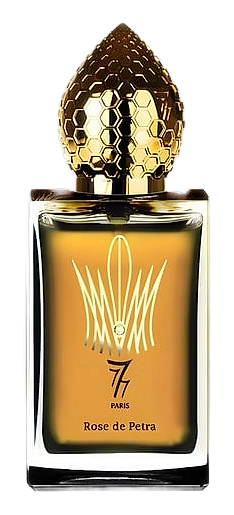
Petra is a UNESCO World Heritage site in Jordan, a city carved directly into rose-red sandstone cliffs. Rose de Petra translates that landscape into scent. Stéphane Humbert Lucas builds on this connection, creating a fragrance that echoes the ancient city's impossible beauty. The rose in this composition does not recall a florist's bouquet or a perfumer's standard material. Instead, it carries the austere elegance of the site itself, the way light catches carved stone and turns it luminous. The name anchors the concept: the fragrance draws its identity from a place where human ambition left something extraordinary in the desert.
Rose oxide opens the composition. It behaves like metal in sunlight, bright, shimmering, almost aldehydic. It lifts the lychee and pomegranate into something sharper than fruit should be. The effect is immediate: a flash of color before the rose arrives. Bulgarian rose at the heart is rich, deep, almost jam-like in its fullness. But Lucas pairs it with cardamom and cumin. That is the departure. This is an androgynous rose, bold and assertive. It is generous, silky, and unlike most rose fragrances in its willingness to step outside expected boundaries.
The evolution
The opening arrives quick and bright, lychee sweetness cutting through pomegranate tartness, rose oxide giving everything a metallic shimmer. At first, this is a juicy rose, fruity and modern. Then the Bulgarian rose takes over. The fruit retreats, and what remains is darker, heavier, more deliberate. This is the phase that defines the fragrance: a bold rose heart that commands attention rather than whispers in the background. The drydown takes its time. Cardamom and cumin arrive together, their warmth creating a gradual softening as the initial intensity settles into something more intimate. This is where the fragrance lingers for hours, warm spice holding steady while the rose continues to pulse beneath, never fully disappearing but evolving into something quieter and more woven into the skin.
Cultural impact
Consistently rated above average for longevity and sillage, Rose de Petra occupies a distinctive space in the niche fragrance landscape. The spicy-Bulgarian rose profile makes it stand apart from conventional rose compositions, appealing to those who want a rose that refuses to behave like ordinary rose fragrances.
The House
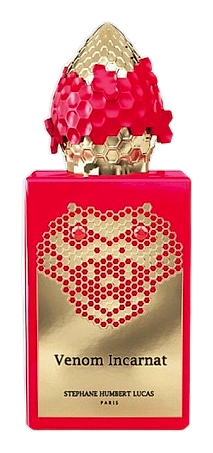
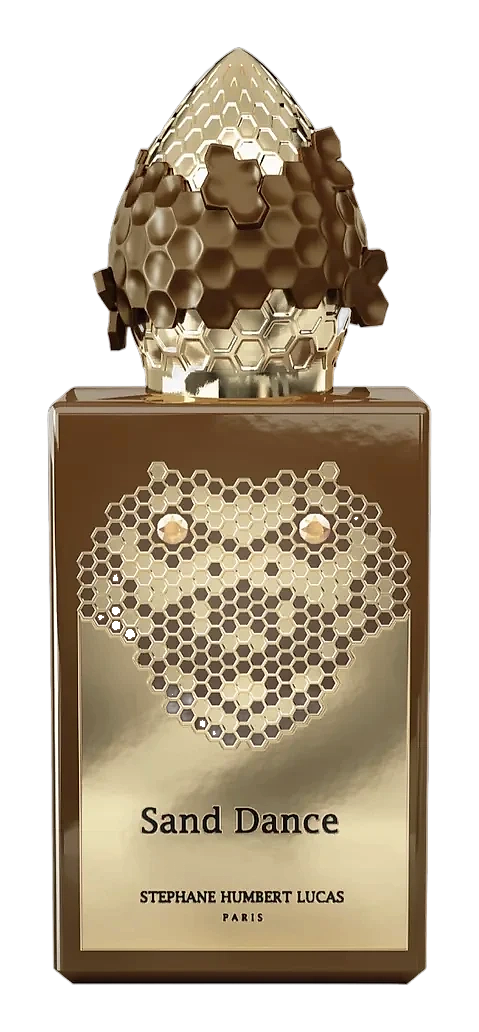
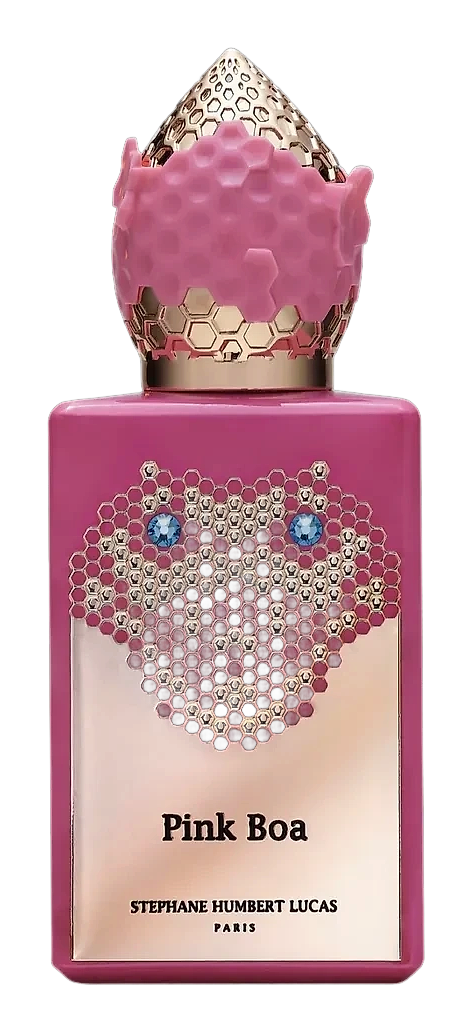
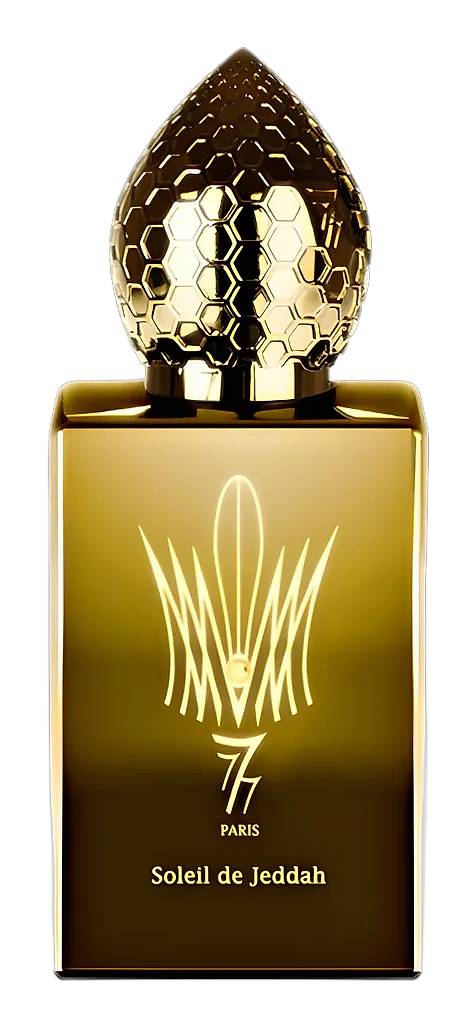
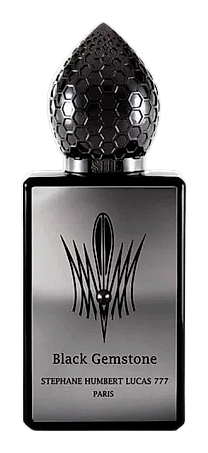
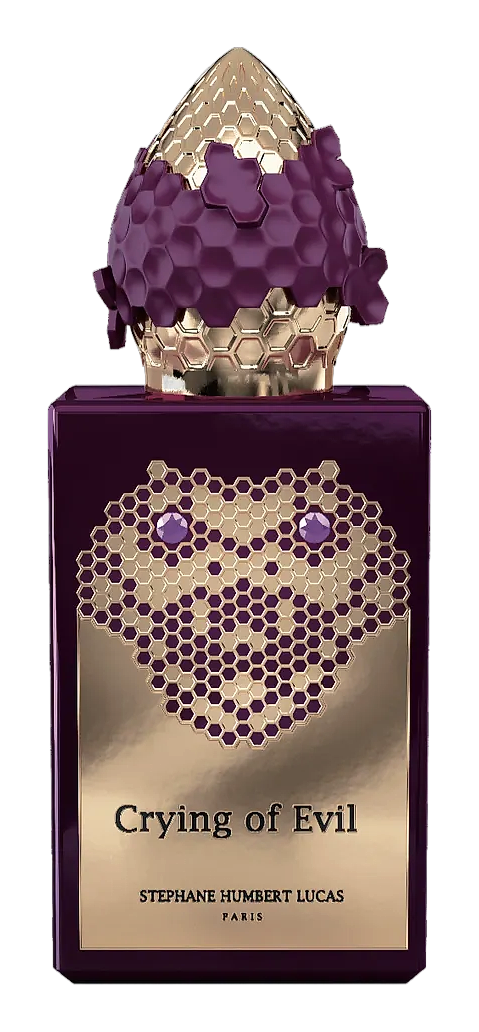
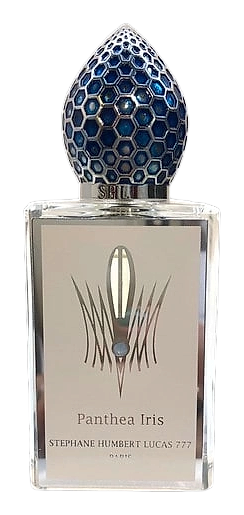
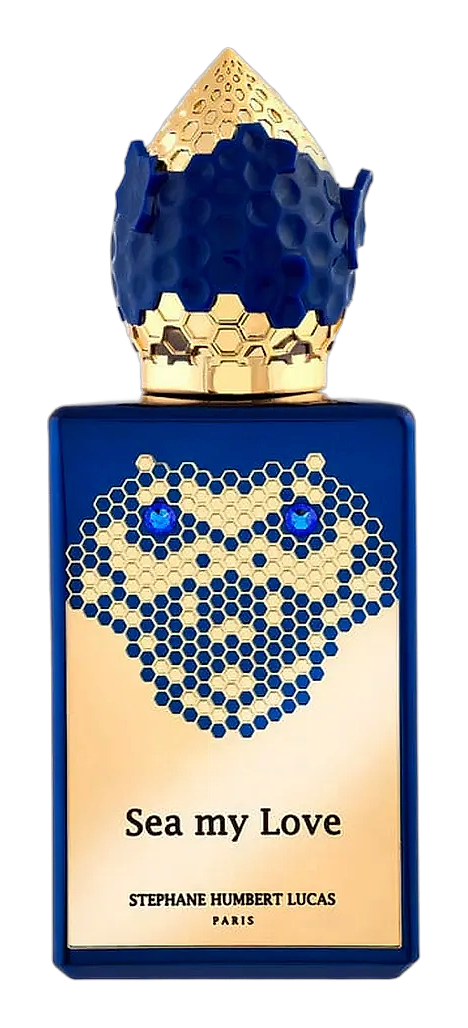
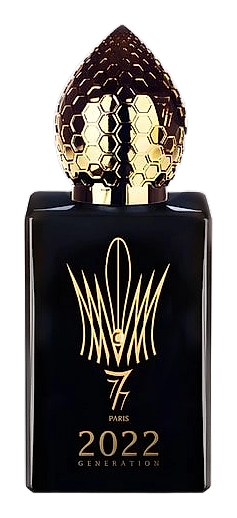
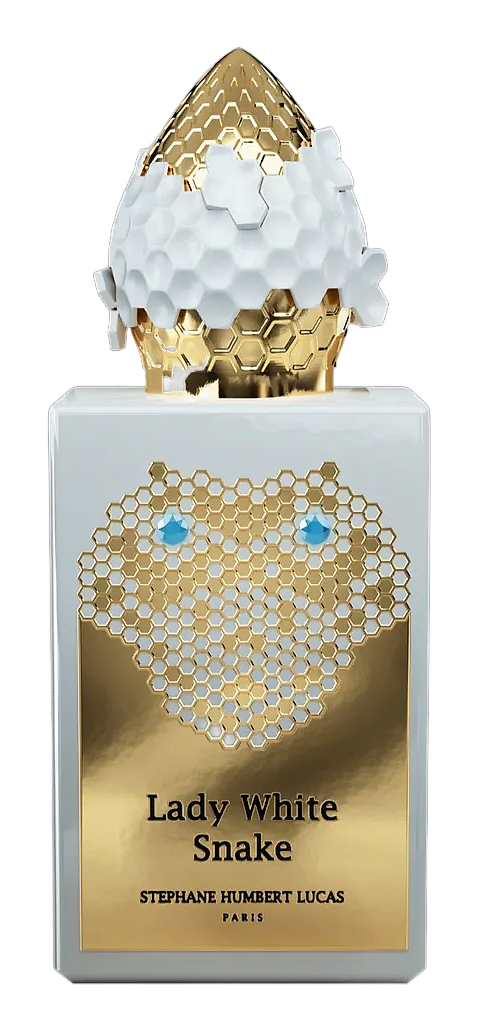
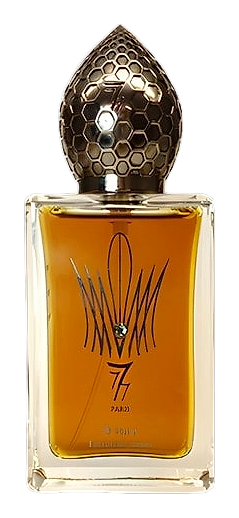
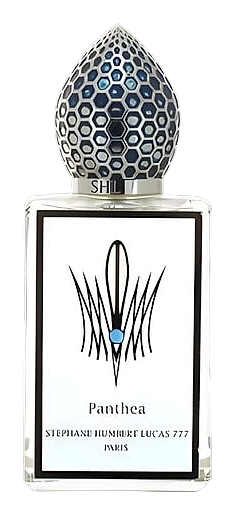
Stéphane Humbert Lucas 777Stéphane Humbert Lucas 777 is a French niche fragrance house founded by the artist-perfumer Stéphane Humbert Lucas. The brand occupies a distinctive space in haute parfumerie, blending Middle Eastern raw materials with Western artistic sensibility. Lucas approaches fragrance creation through the lens of a painter, treating aromatic compounds as pigments on a canvas. His compositions frequently draw from themes of mythology, spirituality, and numerology, with the number seven serving as a recurring motif throughout the collection. The house produces two main lines: La Collection 777 and La Collection Serpent, each presenting fragrances in ornate bottles that reflect their opulent contents. Collaborators including Vincent Ricord and Karine Chevallier have worked alongside Lucas on various formulations.
The Creator
Stéphane Humbert LucasLucas gravitates toward dramatic contrasts—harmony confronting roughness, warmth wrestling with darkness. His signature moves include pairing luminous iris with resinous incense, anchoring precious woods with unexpected mineral or animalic notes, and building fragrances that u…