The Story
Why it exists.
The beginning
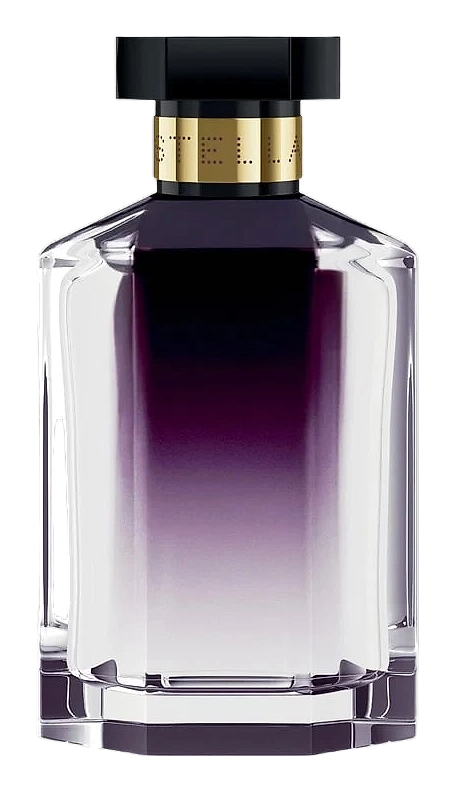
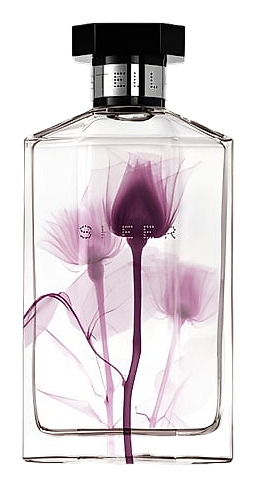
Sheer Stella arrived as an annual tradition, a springtime reinterpretation of the house's signature rose. By 2011, Stella McCartney had been refining this formula since 2004, translating the fashion house's ethos of sustainable luxury into something you could wear on skin. The 2011 edition brought an added dimension: sparkling fruity notes built around organic roses cultivated in the Persian mountains for over five centuries. It was a fragrance that asked nothing of you except attention to what's quietly beautiful. The limited collector's bottle, transparent glass with a pale rose-in-bloom silhouette, said the rest.
The organic roses sourced from Iran aren't just a marketing detail, they anchor the fragrance's character. At the heart, a single rose bridges the fruity top and amber base without ever becoming heavy. The transparency comes from the structure itself: a fruity-citrus opening that lifts, a rose that holds the middle, and amber warmth underneath. Nothing fights for dominance. The composition stays close to the skin and true to Stella McCartney's cruelty-free philosophy, using synthetic or plant-based alternatives throughout. It's rose for someone who wants the flower without the fuss.
The evolution
The opening hits bright and juicy, grapes and plum give it an almost edible quality, then the Amalfi lemon arrives sharp enough to cut through the sweetness. Green apple adds a crispness that lingers. Within minutes, the lemon softens and the rose begins to assert itself, not bold, but present, like someone who doesn't need to raise their voice. The fruity notes fade first. By the second hour, the rose owns the composition. The amber base reveals itself slowly, warm and honeyed, building beneath the floral without ever becoming heavy. The drydown is intimate, rose and amber, skin-close, the kind of warmth that catches you off-guard six hours later. On fabric, the fruit notes disappear faster, but the amber-rose stays true for a full workday.
Cultural impact
Sheer Stella 2011 arrived during a moment when lightweight, transparent fragrances were gaining ground, and when sustainability was becoming a genuine consideration for luxury consumers, not just a marketing label. The house's commitment to organic roses and cruelty-free formulations positioned it ahead of the curve. What set this fragrance apart wasn't projection or drama, it was the restraint to stay close, the organic rose heart that carried five centuries of cultivation history, and the transparency that let fruit and florals share space without either overwhelming. Springtime wear, daylight hours, close quarters, it fit a moment in fragrance culture that valued intimacy over announcement.