
The Story
Why it exists.
The beginning
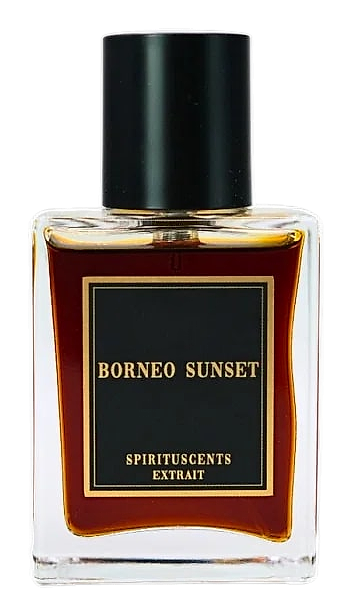
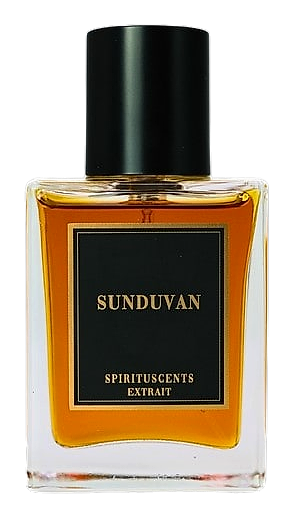
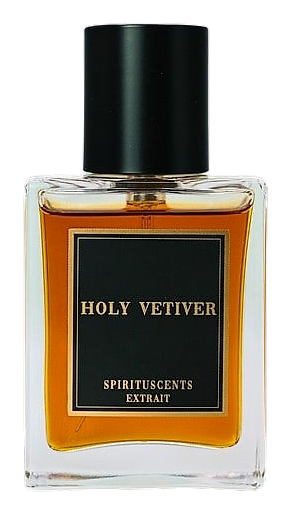
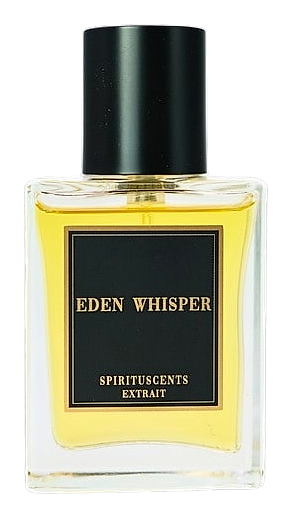
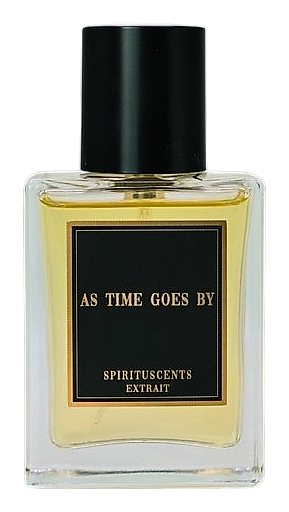
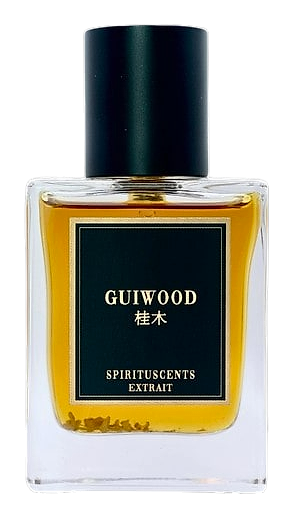
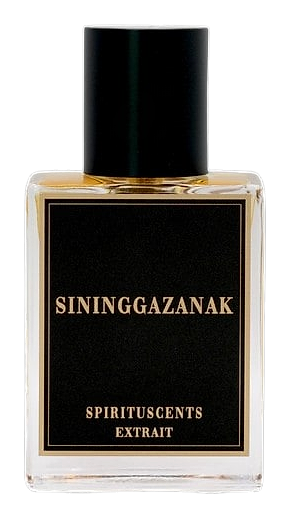
Sininggazanak comes from Spirituscents, a house operating out of Malaysia. The name itself draws from the KadazanDusun language, connecting the fragrance to a specific cultural vocabulary rather than borrowing from Western perfumery's usual wellsprings. In that tradition, the fragrance represents something beyond a scent: a guardian presence that watches over the padi plain, where bloodlines meet the earth. Perfumer Morris T.H. composed this as a chypre rooted in the sensory landscape of Borneo itself, where sunlight breaks through damp moss and citrus, distant song, and the weight of what came before. Launched in 2026, Sininggazanak is a statement of place, an attempt to build a chypre from the materials and atmosphere of the island rather than assemble one from imported conventions.
What makes Sininggazanak structurally unusual is the sheer breadth of its composition, a chypre that refuses to stay in its lane. Seventeen listed materials span bright makrut lime and bergamot, the controversial depth of costus, and the primal warmth of civet, with a heart that runs through ylang-ylang, rose de mai, jasmine, and the unsettling whisper of datura. The formula layers everything simultaneously, then lets time and skin decide what surfaces. The result is less a clean architectural statement and more a living, shifting organism on the wrist.
The evolution
The first 15 minutes belong to makrut lime and bergamot, sharp and electric, almost like breaking a fresh leaf over damp earth. Bitter orange joins, adding a candied edge that makes the citrus feel less austere than it would alone. Then the florals arrive in force, jasmine absolute, rose de mai, ylang-ylang, and a darker thread from datura and clary sage, building a heady, almost overwhelming density around the 30-45 minute mark. The perfume breathes heavy here. If citrus chypres are usually reserved, this phase is anything but. Around the 2-hour mark, the base materials take over: oakmoss absolute, labdanum, patchouli, sandalwood, and the costus-root note, which gives everything a warm, almost animalic-earthy hum. The civet arrives last, soft but unmistakable, clinging to fabric and skin long after the florals have faded.
Cultural impact
Sininggazanak enters a niche fragrance landscape where the chypre genre has become increasingly rare, a classical form that fewer houses attempt in any committed way. Spirituscents' 2026 release does the opposite, building fully with oakmoss, costus, and civet, materials that carry their own regulatory and cultural weight. The Bornean context adds another layer: a chypre composed with Southeast Asian makrut lime, Malaysian ylang-ylang, and locally sourced patchouli, drawing on the botanical resources of the region to populate a structural framework inherited from European perfumery.