The Story
Why it exists.
The beginning
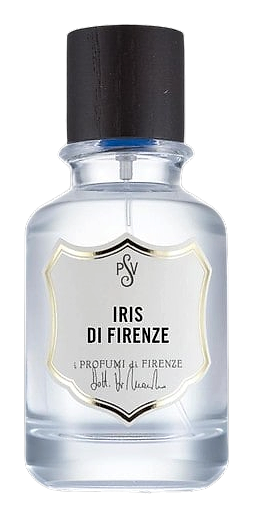
Iris di Firenze was launched in 2000 as part of Spezierie Palazzo Vecchio's Collezione Rinascimento, a range conceived as an homage to Florence's botanical and artistic heritage. The fragrance draws directly from the iris, that storied bloom so closely bound to the city's identity, and the house set out to capture more than just the flower in isolation. The intention was to bottle the sensory atmosphere of a garden in full bloom: the cool dampness of early morning, the warmth that gathers as the day unfolds, the layered interplay of petals and stems pressed close together. The composition leans into green and rooty notes alongside the flower itself, so what you smell is iris interpreted as a living garden rather than a single specimen pressed onto a blotter.
What's unusual about Iris di Firenze is how little iris actually features in the listed note pyramid. The name is less a literal translation of ingredients and more a portrait of the garden experience, all those white and lavender florals, the dusty warmth of stone, the faint bite of spice on the breeze. The clove is what makes the composition interesting: it pulls the aldehydes and white flowers away from clean-soap territory and into something warmer, more tactile, almost like sun-baked linen. Without that clove, this would be a polite spring floral. With it, the whole thing has a backbone.
The evolution
The opening is all aldehydes, bright and almost metallic, like the shimmer off a Florentine marble bench. Clove arrives fast behind them, sharp and warm, pushing the hyacinth and lilac into sharper relief. Soon after, lavender and geranium settle the aldehydes into something softer, almost soapy, while rose and neroli begin to bloom underneath. The middle hours belong to the white florals, creamy, slightly powdery, with the clove persisting underneath like a banked fire. As the composition wears on, the aldehydes fade to a clean whisper, and what's left is a gentle rose-and-lily closeness on fabric. The drydown keeps that powdery, floral-spicy character intact, holding close to the skin in a way that feels intimate rather than projecting.
Cultural impact
Iris di Firenze wears close enough for everyday use but has enough vintage structure to appeal to lovers of old-school perfumery. The aldehyde-and-white-floral architecture gives it a distinctly classical feel, the kind of composition that could have existed in any decade from the 1940s onward without feeling out of place. It reads as Florence in olfactory form rather than a trend-chasing release, and that sense of place is what tends to draw wearers in. The Collezione Rinascimento framing reinforces this: the range is positioned as a tribute to the city and its botanical traditions, not as a seasonal commercial release.