The Story
Why it exists.
The beginning
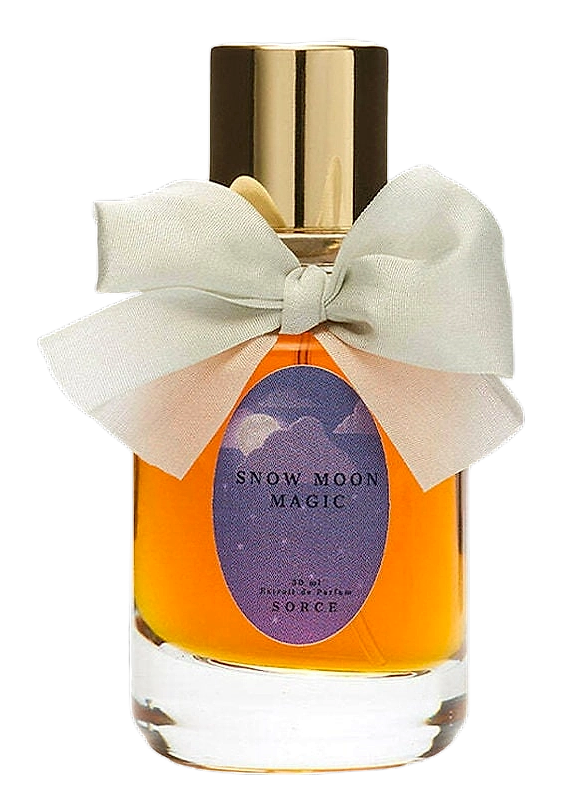
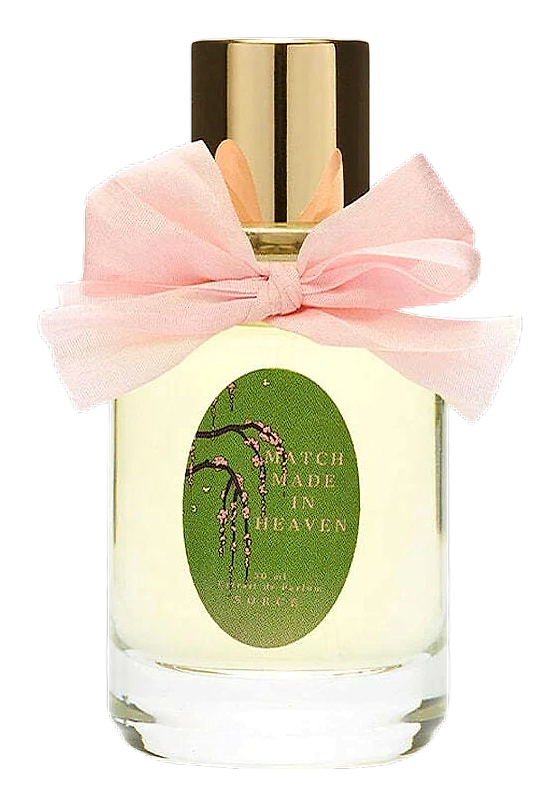
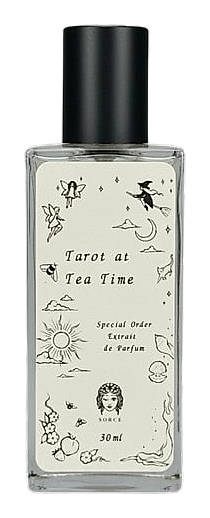
Tarot At Tea Time arrived in 2023 from Sorce, a house perfumer Caitlin Hayes built into one of the more talked-about indie labels. The scent leans into something Hayes had been circling since the brand's earliest blends: a composition that smells less like a place and more like a ritual. Wild orange cracked into hot water. Black tea steeping long enough to turn tannic. The warmth of cardamom and ginger dissolving at the bottom of the cup. It is a fragrance built around a small domestic moment, the kind where someone lights a candle and pulls a deck of cards because the evening has nowhere else to go. The orange opens bright but not sharp, giving way to a spiced heart where the ginger turns almost glowing.
The choice to anchor the composition in black tea gives the scent its structure, and that structural decision sets the whole fragrance apart. Java vetiver oil and Sri Lankan vetiver bring earthy, smoky weight underneath, while violet leaf absolute adds the cool green snap that keeps the orange from tipping into cologne territory. Labdanum and vanilla sit at the base, functioning more as warmth than as sweetness, the way a resinous fond of resin seems to seep into the walls of the room.
The evolution
The opening hits you within seconds. Wild orange, bright and slightly bitter, carries a clean citric edge that reads almost candied before settling into something more natural. Black tea arrives early, folding into the orange to create a single impression: a steeped Earl Grey kind of warmth, not soapy, not smoky yet. Violet leaf absolute is the cool green thread underneath, the part that prevents the spice from showing up too soon. Twenty minutes in, the structure settles. Cardamom opens up first, warm and slightly resinous, followed by ginger's clean heat. Labdanum rises quietly, more amber than sweetness. The vanilla is faint here, a rounding agent rather than a note. The Java vetiver makes its presence known around the one-hour mark, bringing smoke that reads almost lapsang without the tar. By the third hour, most of the citrus is gone. What remains is a close-to-skin composition of tea, spice, and earthy smoke, still distinct, still readable.
Cultural impact
Tarot At Tea Time has earned a quiet but devoted following among collectors who favor narrative-driven compositions. It wears like a personal ritual scent, the kind chosen for atmosphere rather than impact, and that sensibility has translated into repeat-wear status for many of its fans. Within indie circles it gets passed around as a reference point for what a tea-forward scent can actually be, a fragrance that treats the cup of tea as the whole event rather than a passing detail.