The Story
Why it exists.
The beginning
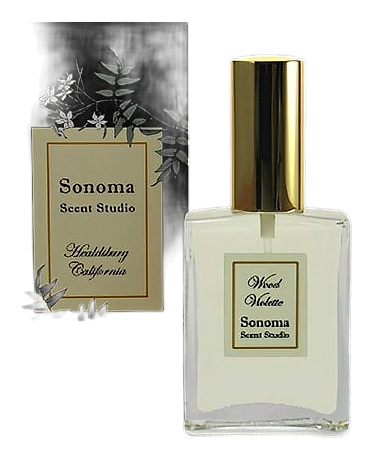
Laurie Erickson had a clear problem with the violet fragrances she'd tried. They were too sweet, too powdery, too fleeting. She wanted something different: a violet that stayed present, that didn't dissolve into sugar the moment it hit skin. The solution came from the combination itself, green violet leaf anchoring the floral, plum bridging the gap between violet and cedar, and Virginia cedar providing the structure that kept everything from floating away. Wood Violet arrived as a study in restraint, a violet that earned its woodsy label by actually lasting. The green violet leaf brings a damp, vegetal quality that grounds the fragrance from the start, preventing it from lifting into sweetness. Plum adds warmth and body without contributing sugar.
The real distinction here isn't any single note, it's the structural choice to keep violet from doing what violets typically do. Most fragrances featuring violet lean into powder, into sweetness, into the comfortable territory of dried flowers and old compact mirrors. Wood Violet refuses that. The green violet leaf keeps things damp. The plum isn't sweetness so much as depth, a quiet richness that reads as presence rather than sugar. The cedar holds from start to finish without sharpening or turning harsh. And somehow the violet stays. Ten hours isn't unusual for this one. It's expected.
The evolution
The opening arrives green first. Violet leaf announces itself before the violet does, damp, vegetal, almost dewy. Within minutes the plum emerges, not sweet exactly, but present. Warm. The cedar is already there, steady underneath, holding the whole thing flat rather than letting it rise. The middle phase deepens the woodiness without losing the violet entirely. Vetiver adds a mineral edge that keeps things from getting soft. Sandalwood arrives later, creamy and quiet, settling beneath the cedar rather than competing with it. The drydown is where the composition finds its quiet confidence. Cedar and musk, close to the skin, intimate rather than projecting. The violet doesn't disappear, it transforms into something quieter, almost atmospheric. This transformation feels inevitable rather than dramatic, the natural conclusion of a fragrance that was always heading toward stillness.
Cultural impact
Wood Violet offered something different in the violet category. Where most fragrances in this family leaned heavily into powdery sweetness, this one took a different approach. The perfumer preferred less sweetness, less spice than other scents she'd tried, seeking a violet that could exist as part of a larger composition rather than dominating through sheer sweetness. This meant building around green violet leaf and cedar, letting the floral element share space with woody structure rather than float above it. The result demonstrated that violet could anchor a fragrance without becoming ephemeral or cloying.