The Story
Why it exists.
The beginning
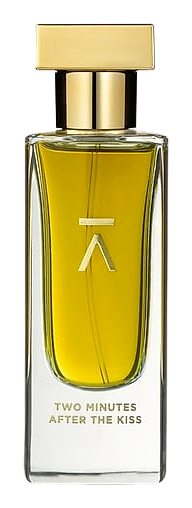
The Ramayana tells of Samphathee, the mighty red bird who sacrificed everything and was reborn from fire. SIAM 1928 took that story as a brief. Not the Disney version. The real one: all longing, loss, and resurrection. Perfumer Nutt Wesshasartar built the fragrance in layers that mirror the myth. The opening is smoke, Choya Loban, the traditional Indian extraction of frankincense that carries the weight of sacred fires and altar offerings. Cypriol and nutmeg add earth and warmth beneath it. The heart shifts to clove, rose, and Palo Santo, spice softening into floral smoke, like feathers catching light. The base is cedarwood and patchouli: wood that outlasts the flame. This is what it smells like when a story becomes a sensation. Not performed. Inherited.
Choya Loban isn't the frankincense most Western noses know. It's an Indian extraction, Boswellia Serrata processed the traditional way, with the resin harvested and carefully aged. That process creates a smoky-sweetness that standard frankincense lacks. Here it opens the composition with a burnt-resin warmth that most perfumes avoid entirely. The clove-palo santo pairing in the heart is deliberate. Clove is aggressive, eugenol-heavy, sharp, the kind of spice that announces itself before it asks permission. Palo Santo doesn't compete.
The evolution
The first twenty minutes belong to Choya Loban. Smoke that's almost sweet, resinous without being syrupy, the smell of something burning in a temple courtyard at dusk. Cypriol adds an earthy depth that prevents the opening from reading as purely atmospheric. It sits close to the skin, and in an enclosed space you'll catch it wafting gently outward. Then the clove arrives. Not a whisper, a declaration. This is where the fragrance earns its name. Rose follows, but it doesn't soften the clove so much as complicate it: dark, slightly jam-like, smoke-threaded. Palo Santo keeps the warmth consistent throughout this middle phase, binding the spices and florals into something cohesive rather than competing. As the hours pass, the smoke deepens rather than fading. Cedarwood and patchouli anchor everything, keeping the drydown earthy and dry rather than sweet.
Cultural impact
Samphathee occupies a specific space: the warm spicy woody category shared with Byredo Eleventh Hour, but with more medicinal heat from clove and less sweetness. The smoke note reads differently here, it's not the ISO E Super abstraction found in many modern smoky fragrances, but Choya Loban's particular resinous burn. Wearers describe it as a scent that asks something of you before it gives anything back. That quality makes it divisive. It also makes it memorable.