The Story
Why it exists.
The beginning
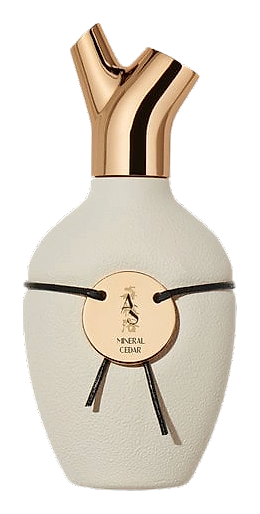
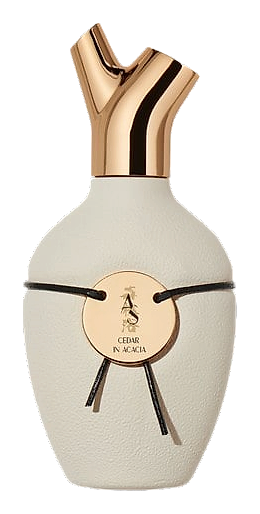
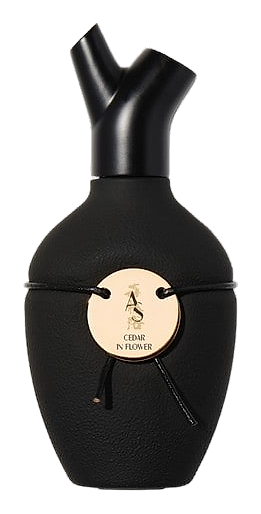
Pascal Gaurin built Cedar in Flower around a question: what if cedar wasn't the destination, but the starting point? The ingredient selection lets cedarleaf oil lead without competition. This is cedar in a different register. Not the stoic drydown that waits at the end. The living, breathing version that moves through the forest in morning light. Cedarleaf oil, crisp, green, almost effervescent, arrives first. Everything else circles back to that moment. The interplay of citrus and delicate spice grounds the effervescence without dimming it, creating a transparent foundation that feels intentional rather than accidental. Cedarleaf oil's aromatic presence carries the fragrance through its evolution, remaining present even as other notes emerge and fade.
Cedarleaf oil is not cedarwood. The distinction matters. Cedarwood oil comes from the tree's heartwood, lending depth and the classic pencil-shaving association. Cedarleaf oil, extracted from the needles and twigs, carries the forest's canopy: bright, green, with a citrus-adjacent freshness that reads almost floral. Using it as a top note instead of a base is an unconventional choice. Most cedar fragrances build toward their woody heart. Cedar in Flower opens there and lives there, letting rose and geranium soften the structure without overwhelming it. The result is cedar that feels approachable without losing its essential character.
The evolution
The opening is the fragrance's thesis: Italian lemon, cardamom, and cedarleaf oil arrive together in a bright, citrusy-green burst. The cardamom adds warmth, not heat, but a spice that suggests something happening beneath the surface. Cedarleaf oil makes this feel airy, almost transparent at first. The green brightness doesn't disappear, it deepens, taking on the wood's resinous quality. Rose and geranium enter quietly, adding a soft floral counterpoint that most cedar fragrances skip entirely. The sandalwood bridges the heart and base, bringing creaminess without weight. The base amplifies the Virginia cedar and Indonesian patchouli, creating an earthy, slightly humid finish that stays close to the skin. Patchouli dominates the final hours, not the skanky patchouli of the '90s, but a clean, forest-floor interpretation that lingers subtly.
Cultural impact
Cedar fragrances often carry masculine associations, think of pencil shavings or office-appropriate woody combinations. Cedar in Flower reframes this territory by opening with cedarleaf oil instead of cedarwood, giving the forest's most structured note a softer introduction. The fragrance presents cedar as a living, translucent element rather than a heavy masculine anchor. Pascal Gaurin built the heart around cedar itself, letting rose and geranium coexist without sweetening the deal. The result sits comfortably in unisex territory, appealing to wearers who want woody structure without automatic associations.