The Story
Why it exists.
The beginning
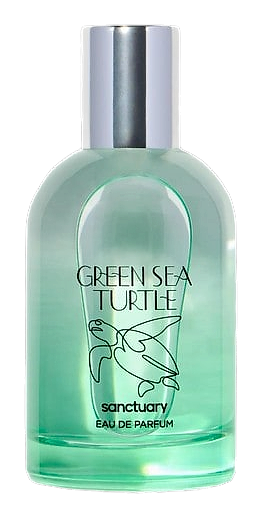
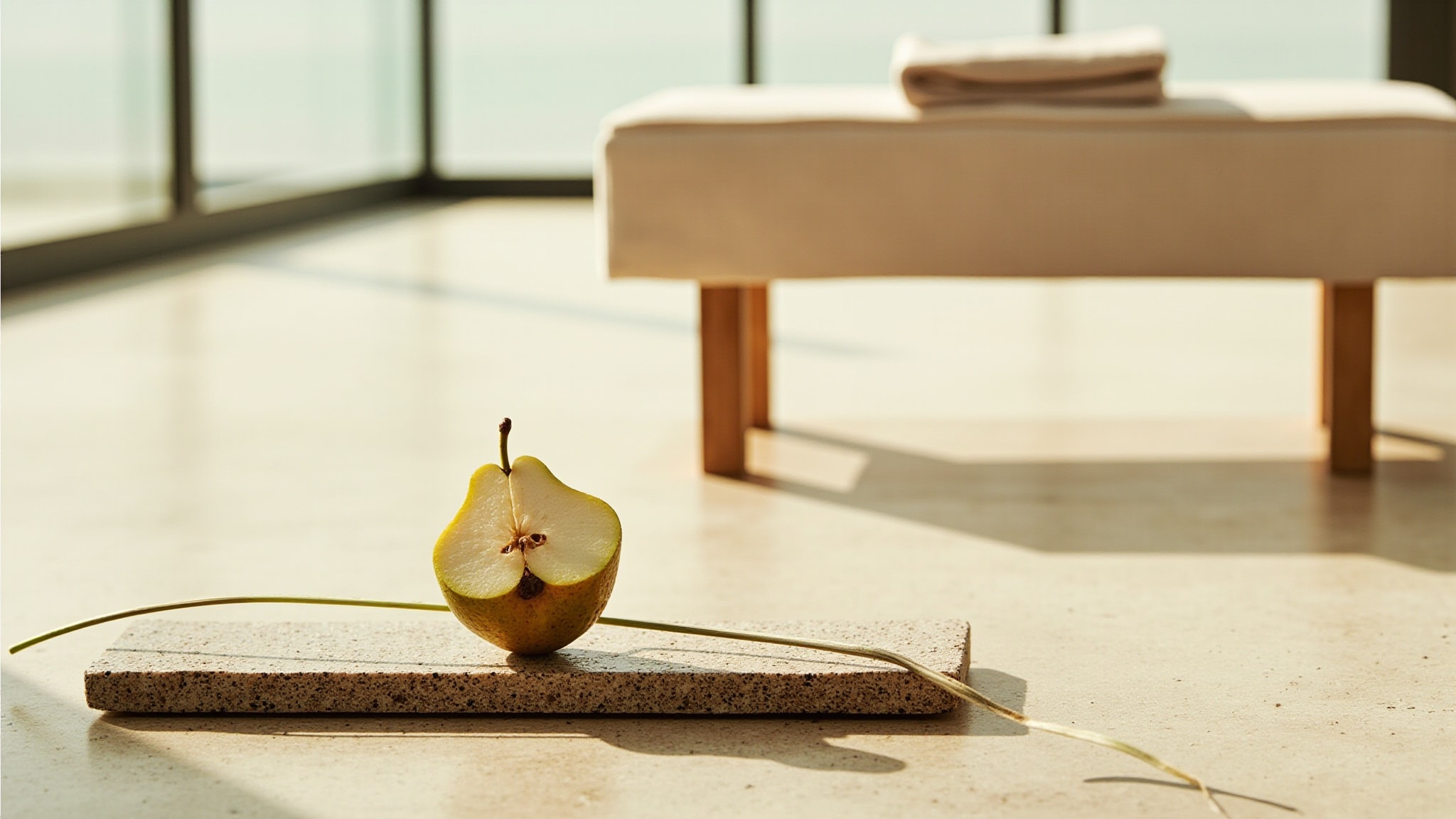
The green sea turtle doesn't live in one place. It drifts between reef systems, coastlines, open ocean, returning to the same beaches where it hatched decades earlier. Sanctuary named a fragrance after that journey, translating the creature's adaptive nature into a composition built around pear, seagrass, and driftwood. The official description frames it as bergamot and pear opening into a heart of watery florals, with a warm woody element that nods to the turtle's ability to move between worlds. This is a scent about belonging to many environments at once. Crystal water, coastal air, the bleached wood of a shoreline. The top is brisk and almost saline, lifting the pear into a clean accord that smells like the moment a wave pulls back over bare feet.
What's clever about this composition is its restraint. Most aquatic fragrances pile on synthetic marine notes and call it done. Green Sea Turtle skips that. The pear reads watery through context, not through calone overload. Seagrass gives the heart an actual green, vegetative quality, like something photosynthetic rather than something poured from a bottle. And the driftwood base, a single material holding down the entire drydown, does more work than a five-note base typically manages. It's a study in how few notes can do the job when each one is chosen with intent. The freesia keeps it from tipping fully into oceanic territory, adding a floral softness that keeps the scent wearable rather than aggressive.
The evolution
The first 15 minutes are bright and almost edible. Bergamot and pear, together, smell like a fruit salad left near an open window, the breeze pulling juice and zest into the same breath. Clean, effervescent, a little sweet. Then seagrass arrives, and the whole thing shifts. That green, briny quality settles over the pear like low tide moving in. It doesn't replace the fruit, it changes the context. Now you're smelling pear on a dock, not pear in a kitchen. The freesia adds a powdery floral edge that keeps it grounded, keeps it human, prevents the aquatic notes from floating away into nothing. By the two-hour mark, the pear is a ghost. The seagrass has mellowed into something warmer, more mineral. The driftwood shows up properly, and this is where the scent becomes something else entirely. That bleached, sun-warmed wood note, slightly salty, slightly dry, takes over for the rest of the wear. It lasts through a full afternoon, fading slowly rather than disappearing.
Cultural impact
Wearers gravitate to Green Sea Turtle as an entry point into aquatic florals, a category that often skews synthetic or sharp. This one stays gentle, which makes it accessible to people who'd normally avoid anything labeled 'marine.' Community ratings lean toward summer daytime, and the scent fits that slot naturally, but the driftwood base gives it enough substance to carry into early fall. It wears like a vacation in a bottle, and that lightness carries its own quiet weight. The opening is a cool splash of bergamot and pear that reads almost like chilled fruit over ice, bright but not candy sweet.