The Story
Why it exists.
The beginning
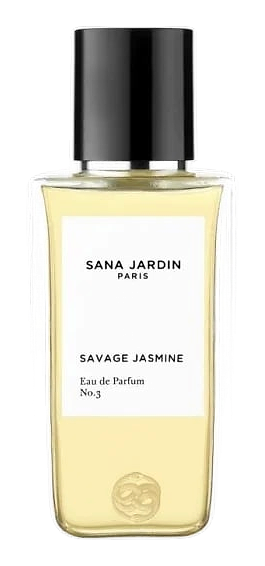
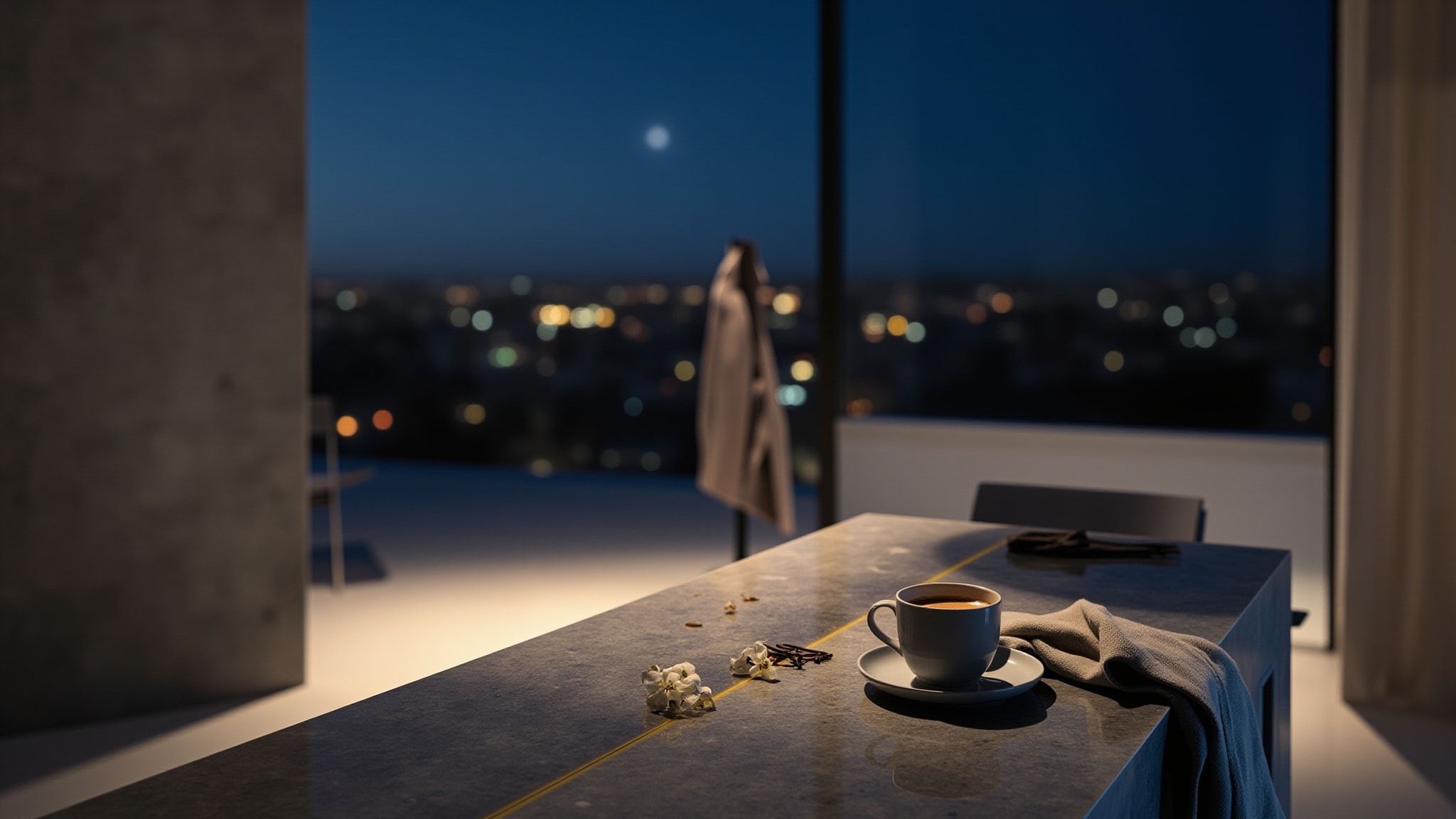
Savage Jasmine draws its inspiration from balmy evenings when blooming jasmine saturates the air, a moment most florals try to prettify. Sana Jardin leaned the other direction. The scent doesn't whisper, it leans into jasmine as a material with weight, density, and a presence that fills a room rather than decorating it. Carlos Benaïm, the perfumer behind the composition, built this jasmine to feel raw rather than refined. Clove cracks it open at the top, tobacco absolute gives it ballast at the base, and the whole thing is designed to feel less like a perfume and more like a place you'd rather not leave. It's an evening composition that treats the wearer as someone willing to be enveloped, not just noticed.
What makes this composition worth your attention is the tension between two very different materials. Jasmine absolute carries high indole content, the molecule responsible for that dense, almost animalic edge in real jasmine flowers, which is precisely the territory most commercial jasmine fragrances spend their energy avoiding. Pairing it with clove, a warm and slightly bitter spice, keeps the indole from sliding into something purely soapy or sweet.
The evolution
The opening arrives dense and clove-forward, the kind of warmth that feels spiced rather than sharp. Clove gives it an almost medicinal edge, the way a good chai cools your tongue while it's heating you up. As the composition settles, the jasmine begins to surface through the spice. This is not the clean, dewy jasmine of a morning garden. It's heavier, greener, carrying that unmistakable indolic signature that hovers somewhere between ripe fruit and warm skin. The two materials, clove and jasmine, occupy the same space and interact in ways that shift depending on skin, temperature, and the air around the wearer. The shift isn't dramatic, it's more like watching the same scene under changing light. Eventually, the tobacco starts to take over. The sweetness here isn't sugary.
Cultural impact
Savage Jasmine occupies a specific corner of the jasmine conversation, the one where indole appreciation and an appetite for raw florals overlap. Where mainstream jasmine fragrances often soften the flower's more feral qualities into something safer and more marketable, this one commits to the dense, almost animalic edge that makes real jasmine fields both intoxicating and polarizing. Wearers drawn to indolic florals, to compositions with weight and warmth, tend to find their way here. It appeals to those who treat jasmine as a serious material, a note capable of carrying entire compositions rather than serving as a decorative accent.