The Story
Why it exists.
The beginning
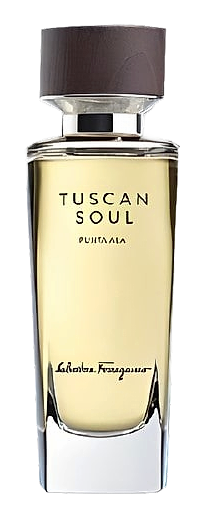
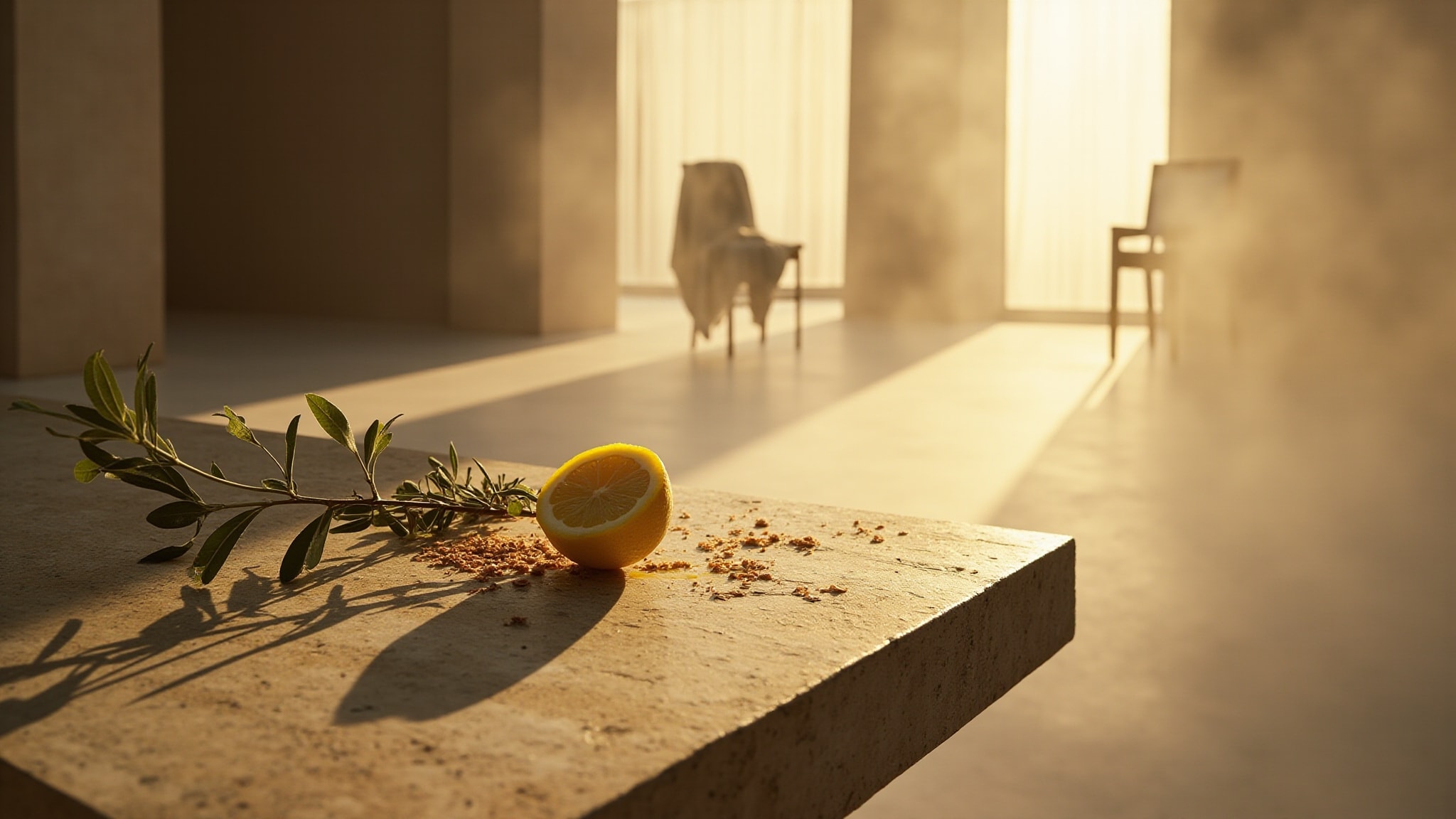
A stretch of Tyrrhenian coastline known for rocky shores, Mediterranean scrub, and the kind of slow summer that doesn't need to announce itself. The fragrance opens bright with citruses that suggest sunlight on water, a golden shimmer that arrives immediately and announces the warmth to come. Olive leaf arrives next, bringing its herbal, slightly bitter Mediterranean character, the green depth of garrigue that sits behind the coastal brightness. As the citruses recede, dry woods emerge to anchor the composition, providing the warmth underneath that keeps the entire structure feeling cohesive and long-lasting.
What makes Punta Ala distinctive is the vetiver. The citruses provide the bright Mediterranean opening, but it is the vetiver in the base that gives this fragrance its character and staying power. Vetiver typically anchors heavy, sweet, or smoky compositions, but here it is used differently, paired with cedar in a drydown that reads as mineral and sun-warmed rather than earthy or dark. The result is a fresh fragrance that doesn't evaporate.
The evolution
The opening arrives fast, a burst of citruses, lemon and mandarin and bergamot, bright enough to suggest the word coastal without trying. Neroli keeps the edges soft. Fifteen minutes in, the citruses begin to recede and the olive leaf emerges. This is the Mediterranean heart of the fragrance, herbal, slightly bitter, the smell of scrubland above a rocky shore rather than the beach itself. Two to three hours in, the woods arrive. Cedar and vetiver together create something mineral and warm, like stone left in summer heat. The drydown stretches for hours. What lingers is the cedar, dry, clean, with the ghost of vetiver underneath. Close to the skin, intimate, the kind of scent that someone standing near you might notice before you do.
Cultural impact
Punta Ala occupies a specific space in the Ferragamo lineup, refined and understated, with enough citrus to feel fresh and enough vetiver to feel grounded. The fragrance strikes a balance between brightness and depth that feels intentional rather than accidental. It sits comfortably within Mediterranean fragrance territory without relying on the usual aquatic references or fougère structures that dominate the category. The composition suggests a coastline rather than describing it outright, using citrus, herbal, and woody elements to evoke a place and a mood rather than naming them directly.
The House
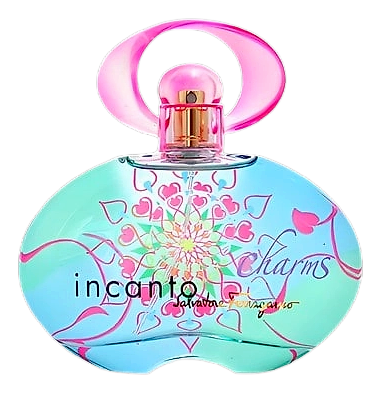
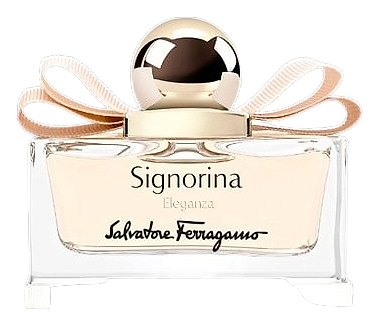
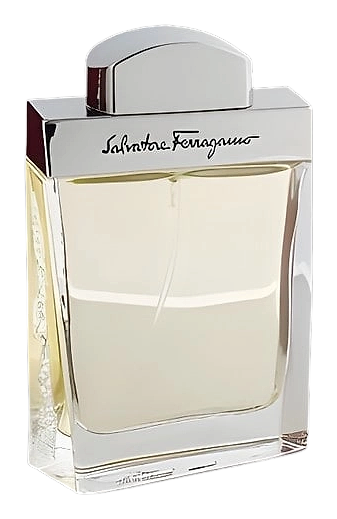
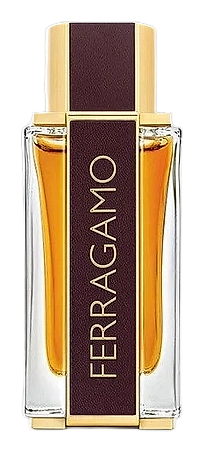
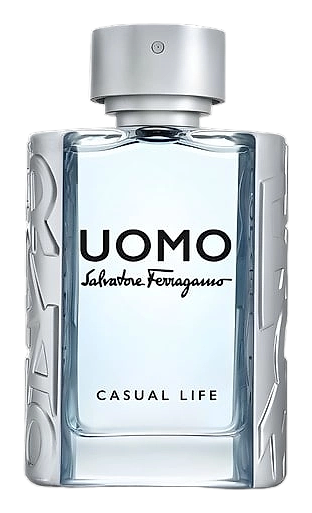
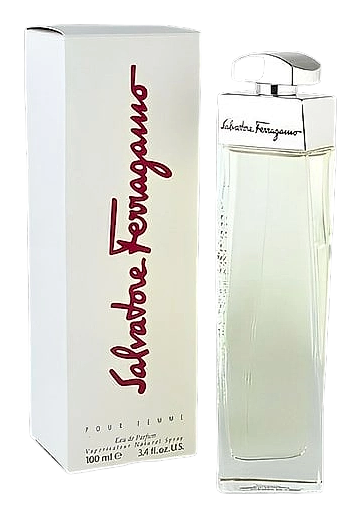
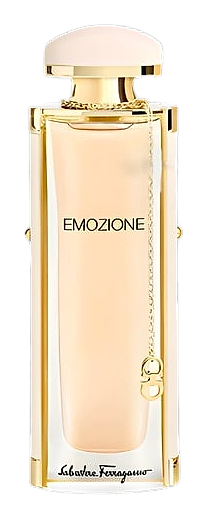
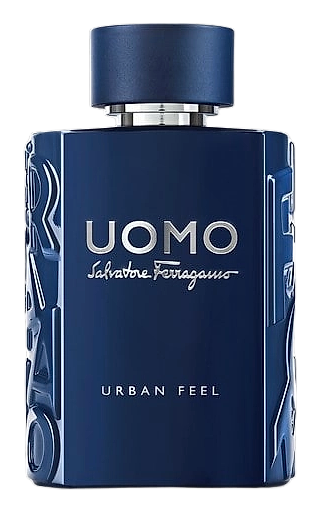
Salvatore FerragamoSalvatore Ferragamo is an Italian house best known for its shoes, but its fragrance portfolio has grown into a distinct line of scented expressions. Since the early 2000s the brand has released dozens of eau de parfums that echo the same attention to balance and proportion that defined its footwear. The scents range from the bright citrus of White Mimosa (2014) to the woody depth of Arte Orafa (2022), each positioned as a modern interpretation of classic Italian style. Ferragamo’s perfume collection is sold worldwide through boutiques, department stores and the brand’s own online shop, offering both everyday wear and limited‑edition releases for collectors.
The Creator
Alberto MorillasMorillas' style is characterized by a luminous transparency and a masterful use of musks. He often incorporates citrus notes to create a bright, uplifting effect.