The Story
Why it exists.
The beginning
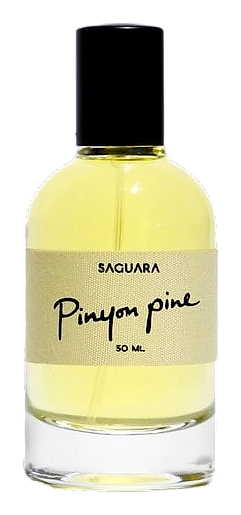
Pinyon Pine arrived as a composition built on a specific premise: the American Southwest is an underused sourcebook for fine fragrance. The house behind it, Saguara, treats native botanicals as raw material rather than ornament. Where mainstream perfumery tends to default to Mediterranean and European imagery, Saguara looked at the plants that actually survive in arid terrain, the sagebrush, the resinous shrubs, and the small, stubborn conifers that hold on through long dry seasons. Pinyon Pine grew directly out of that approach, composed by Linda Sivrican, the perfumer who shapes every release in the line. The name is literal, and that's the point.
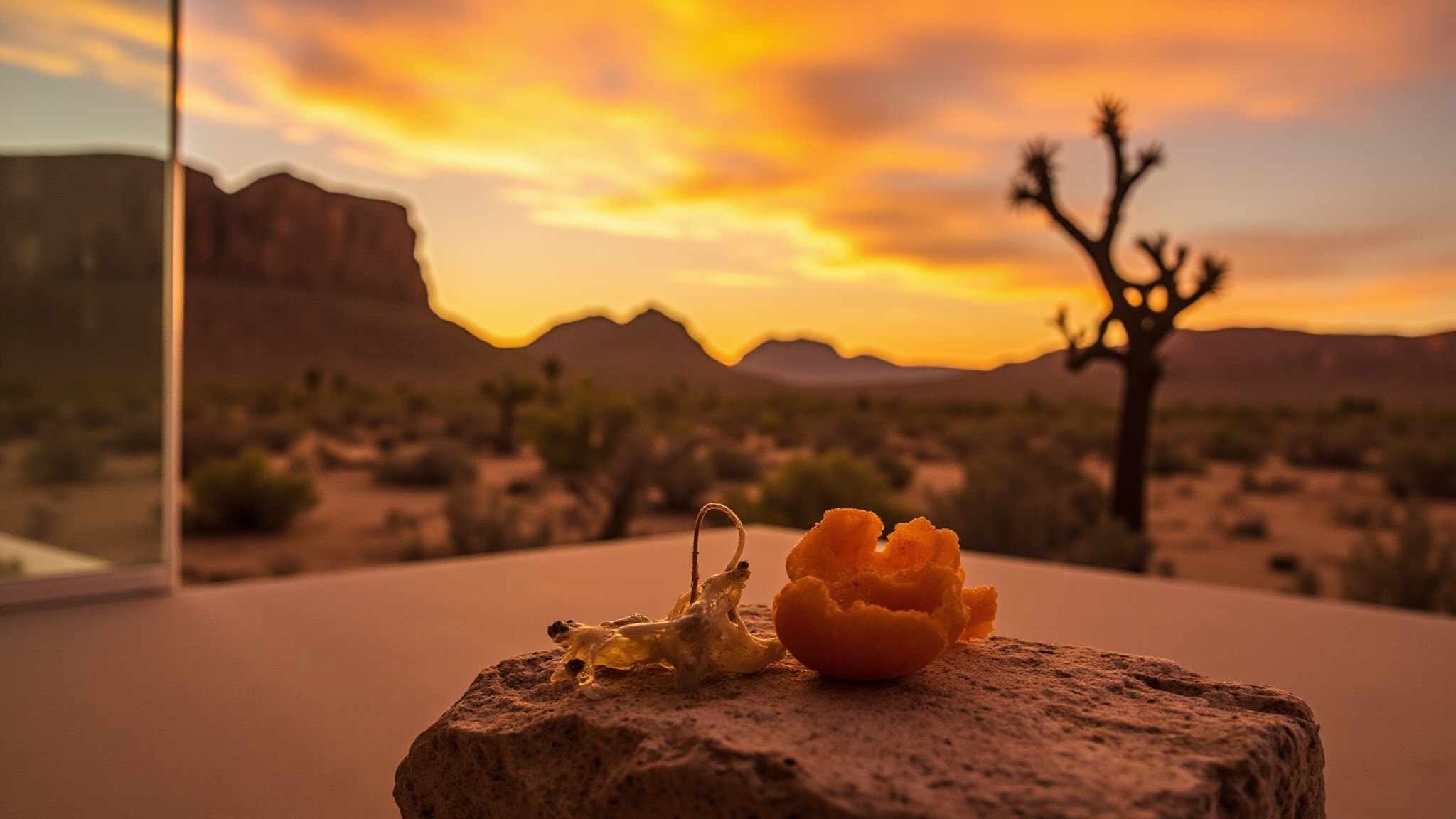
What makes this composition interesting is its restraint. Saguara strips away the usual scaffolding that green-woody fragrances tend to rely on. The green here comes from leaves, actual foliage, the kind of chlorophyll-sharp scent you get from crushing a needle between your fingers. There's no vetiver-and-oakmoss template doing the heavy lifting. The fruit top is not a typical juicy opening. Think of dried fruit that's been sitting in a pocket all day, warm and slightly sticky, more like a dried apricot or a piece of bark that's been sweetening in the heat.
The evolution
The first fifteen minutes are a quick, almost surprising burst of fruit. Not a juice, not a citrus, more like the smell of a dried apricot or a piece of bark that's been sweetening in the heat for hours. It's brief, and that's the trick: the fruit opens the door and then steps aside. By the thirty-minute mark, the green arrives. The leaves note is sharp and specific, chlorophyll without the lawn-mower association, closer to the smell of snapping a pinyon twig and breathing in what comes out. This phase runs through hours two and three, the part where the fragrance sounds most like itself. There's a mineral quality to the green at this stage, something almost dry and rocky that fits the high-desert reference. Cedar starts threading underneath around hour three, and by hour four the resin takes over. The drydown is where Pinyon Pine earns its name.
Cultural impact
Pinyon Pine occupies a specific place in fragrance because of how literally it commits to its subject. Most compositions that gesture toward nature tend to soften or stylize their material into something more abstract. This one doesn't. The pinyon reference is direct, the green is direct, and the result reads less like a perfume in the conventional sense and more like an attempt to bottle a particular environment. For wearers, that specificity is the appeal. It offers a way to carry the high desert into settings where that kind of green doesn't exist, whether that's a city apartment, an office, or anywhere else far from elevation and dry air.
The House
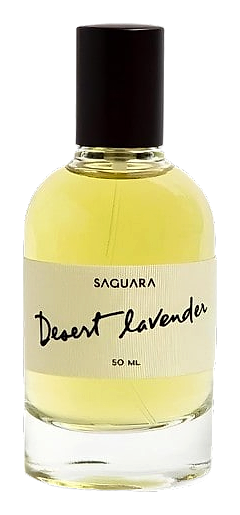
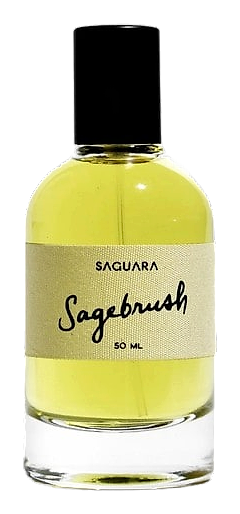
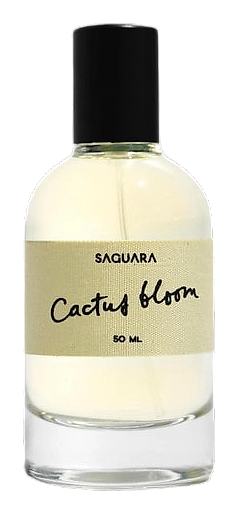
SaguaraSaguara is a Los Angeles based fragrance house that takes its name and inspiration from the Sonoran Desert. The brand debuted in 2016 with a trio of scents, Desert Lavender, Coyote Mint, and Cactus Bloom, and has since expanded with releases like Sagebrush and Pinyon Pine. Operating as a sub-label under Capsule Parfumerie, the house focuses on translating the flora, geology, and atmosphere of the American Southwest into wearable compositions.
The Creator
Linda SivricanLinda’s signature technique centers on precise accord building. She starts with a clear focal material—often a rare orchid absolute, a vintage civet, or a sustainably sourced oud—and constructs supporting layers that amplify rather than mask its character.