The Story
Why it exists.
The beginning
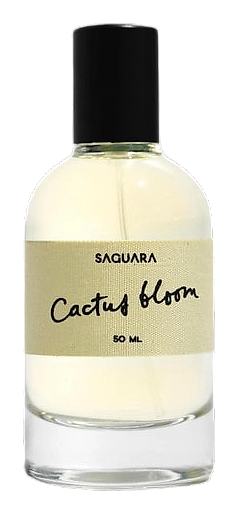
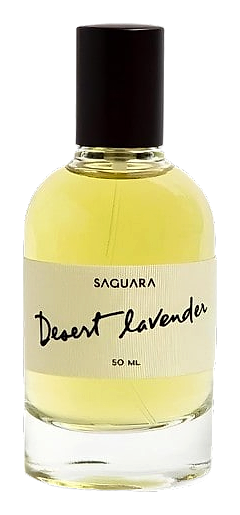
Desert Lavender comes from Saguara, a brand built around a particular curiosity about where fragrance ingredients actually come from. The name itself gestures toward the saguaro, a plant most people associate with postcards and old westerns, but the desert holds more than one botanical worth bottling, and this composition takes one of them as its center of gravity. The scent takes its inspiration from a specific plant, not the tidy garden variety most people picture when they hear the word. Perfumer Linda Sivrican built the composition to honor that plant's character, the kind of lavender that reads as something wilder, less domesticated than what sits in a drawer or hangs in a closet. It sits in a Saguara lineup that includes Coyote Mint and Cactus Bloom, other fragrances in the catalog.
Three notes, that's it. That restraint is the point. Desert Lavender lets three materials carry the entire weight of the composition without the usual softening agents. Vervain brings the opening brightness, a citrus that reads herbal because it is. The leaf itself smells like this: green, slightly tart, with a clean sharpness that lifts the air around it before settling into something gentler. Lavender holds the heart, but a drier, more aromatic expression than the sweet or powdery versions most people associate with the note. There's no coumarin blanket here, no vanilla smoothing the edges.
The evolution
The first fifteen minutes belong to the verbena. It's sharp, green, almost sharp enough to clear your sinuses, the way crushing a leaf between your fingers releases something volatile and immediate. Then it steps back and the lavender walks in, not all at once but in layers, each one warmer than the last. By the two-hour mark the composition has settled into a space that feels less like a fragrance and more like a place. The sandalwood has surfaced now, not as a distinct note but as a texture, giving the lavender something soft to lie against. The drydown is where this earns its name. Six hours in, what's left on skin is a quiet, warm woodiness with lavender still woven through it, dusty and close. It doesn't project much by then, but it stays. The next morning, on a collar or a scarf, there's a ghost of it, sandalwood and dry herbs, like something left behind in a room that's been closed up overnight.
Cultural impact
Desert Lavender sits at a specific intersection: a fragrance that draws its identity from a place rather than a tradition. It wears like a quiet argument for paying attention to what's growing outside the usual perfumery canon, the kind of composition that rewards people curious enough to smell something unfamiliar on purpose. The composition doesn't pander to expectations. It doesn't soften its lavender to match what most people think lavender should smell like, and it doesn't lean on the usual supporting notes to make itself approachable.
The House
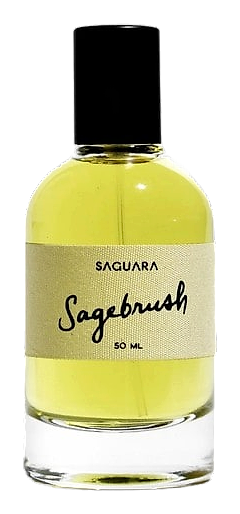
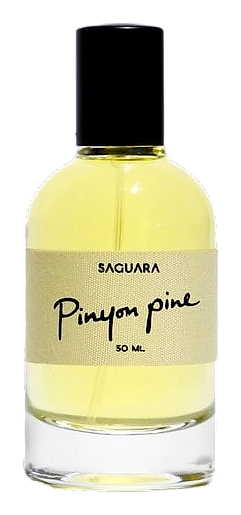
SaguaraSaguara is a Los Angeles based fragrance house that takes its name and inspiration from the Sonoran Desert. The brand debuted in 2016 with a trio of scents, Desert Lavender, Coyote Mint, and Cactus Bloom, and has since expanded with releases like Sagebrush and Pinyon Pine. Operating as a sub-label under Capsule Parfumerie, the house focuses on translating the flora, geology, and atmosphere of the American Southwest into wearable compositions.
The Creator
Linda SivricanLinda’s signature technique centers on precise accord building. She starts with a clear focal material—often a rare orchid absolute, a vintage civet, or a sustainably sourced oud—and constructs supporting layers that amplify rather than mask its character.