The Story
Why it exists.
The beginning
Ostara takes its name from the Celtic goddess of spring, of dawn and new growth. Not the Christian bunny-and-egg version, something older, tied to light returning after long dark. The fragrance opens bright, almost declarative, with a crispness that announces itself without apology. The heart carries something quieter, more complicated, a layered complexity that rewards patience. The drydown belongs to evening, settling into something intimate and lingering. It's a fragrance about what happens after the first yes, about the moment when possibility takes hold and doesn't let go.
The blackcurrant bud note deserves attention. It's the unexpected move here, more green, more wine-like than the berry sweetness above it. Paired with lily of the valley's cool, almost mineral whiteness, the middle passage becomes the fragrance's most interesting moment. It's where the spring goddess remembers she's also a goddess of dusk.
The evolution
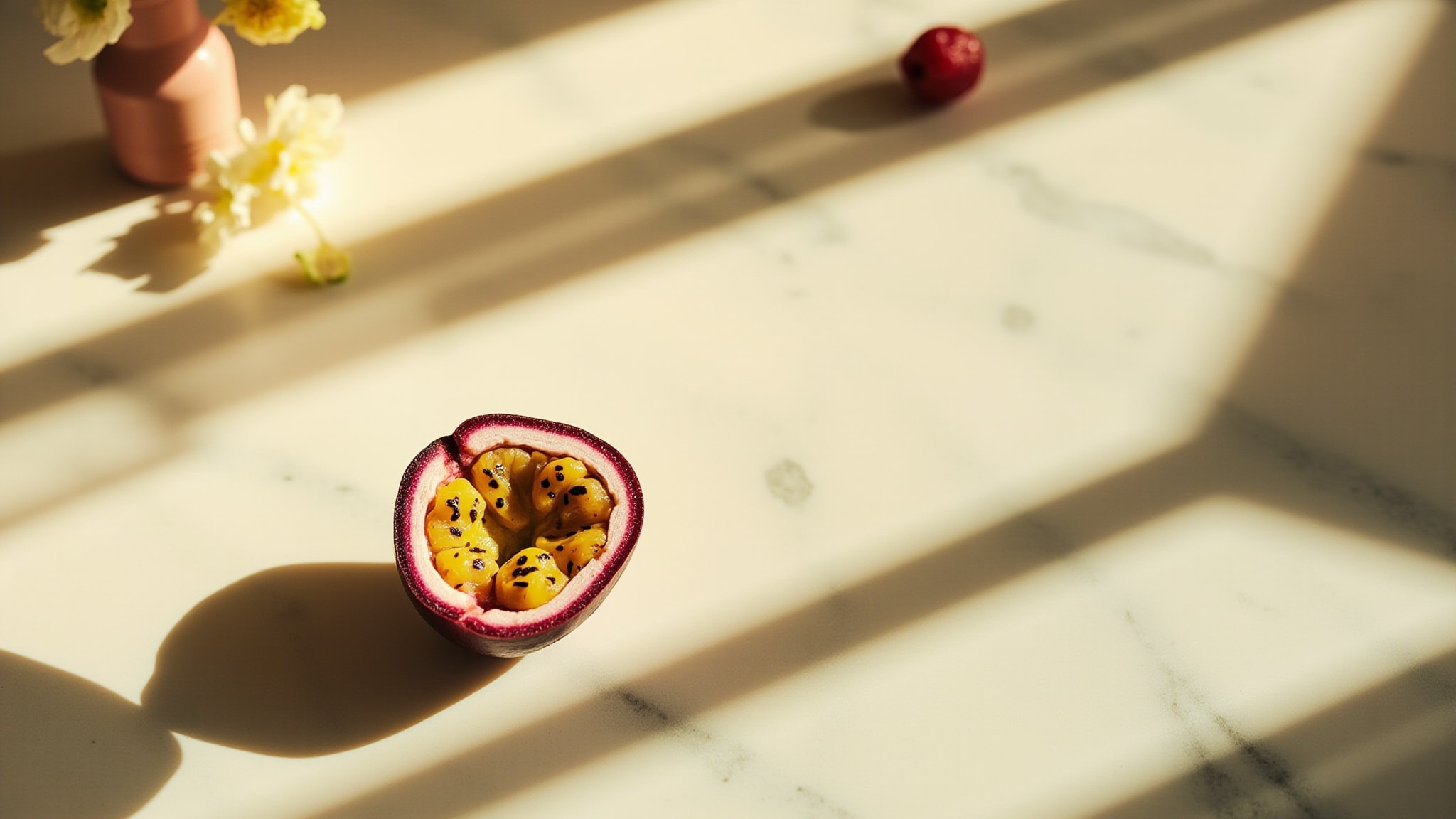
Passion fruit and raspberry burst through in the opening, tart, sweet, almost aggressive. Pear softens the edges slightly, but this is a loud first act. The blackcurrant bud emerges with a green, wine-like quality that cuts through the sweetness like a glass of water after something too rich. Lily of the valley arrives quietly, almost an afterthought, before the heart hands off to the base. The drydown is where Ostara changes identity. Heliotrope takes over, powdery, sweet, intimate. Amber adds warmth without weight. Patchouli anchors everything, earthier than expected, keeping the sweetness from floating away entirely.
Cultural impact
This fruity-floral doesn't negotiate. The opening arrives bold, tart and sweet, refusing to whisper. Pear softens the edges slightly, but only slightly. The sweetness that follows carries a green, wine-like quality that cuts through like a glass of water after something too rich. As the fragrance develops, it changes identity. The drydown settles into something powdery and intimate. It's a fragrance that moves differently than expected, intensity as statement rather than afterthought. The question of whether a fruity-floral has the right to be this assertive is a fair one. Ostara answers it with conviction.