
The Story
Why it exists.
The beginning
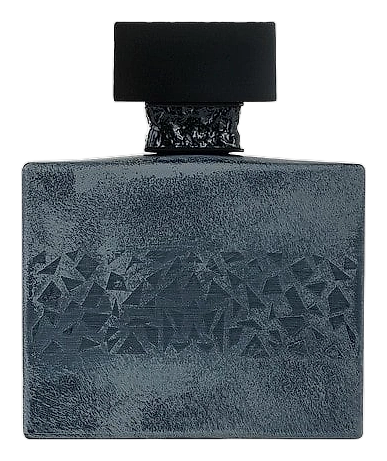
1988 is the second year Rosendo Mateu chose to translate into scent. The first was 1968. Then 1970. Each number marks a moment, a year that meant something to the master perfumer, one he wanted to bottle before it slipped away. The fragrance launched in 2023, five years after the house itself, part of the Olfactory Journeys Collection. What does 1988 smell like? Not a memory. The sea as it existed before the crowds arrived. Salt without the tourist trap. Calm without the retirement, just precision and restraint, the hand of a man who spent 50 years learning when to stop.
The ozonic quality here doesn't punch. It breathes. Most aquatics lean into aggressive, almost electric marine notes, the kind that read as synthetic from across the room. 1988 plays it differently. The sea salt is mineral, not sharp. The ozonic notes float rather than announce. White musk does the quiet heavy lifting, not the skin-close intimacy of a powder, but a clean warmth that keeps the composition from going cold. The woody notes thread through every phase, giving the fragrance a backbone so it never dissolves into nothing. Three ingredients carry this fragrance. The rest is restraint.
The evolution
The opening lands soft. Dew drop and citrus arrive together, rounded and unhurried, less sharp than most marine fragrances, more like morning light on water than a splash of cold ocean. There's a menthol-like coolness here but it's gentle, the calm suggestion of sea air rather than the bracing punch of a dive into cold water. Within 30 minutes, the citrus pulls back and the sea takes command. Ozone becomes the loudest voice now, that clean mineral-electric quality that defines the fragrance's character. Sea salt and marine water layer underneath, not competing but reinforcing. The woody notes enter quietly, giving the marine heart somewhere to stand. Three hours in, the sea smell begins to soften. White musk arrives as the base, clean, close, skin-like. Spices add a warmth that prevents the drydown from going cold or flat. The woody notes persist, a quiet backbone through every phase. What stays? That ozonic quality never fully disappears. It just sinks, intimate, close, the memory of salt air rather than the thing itself.
Cultural impact
1988 arrives in a market saturated with aggressive aquatics, offering a counterpoint that emphasizes restraint and clarity. The fragrance taps into a growing preference for understated luxury, where the appeal lies not in boldness but in nuance. Rosendo Mateu's numbered collection format, with its systematic approach, reflects a return to craft-focused perfumery that values precision over spectacle. The marine genre, once dominated by blockbuster releases, finds a quieter voice here.