
The Story
Why it exists.
The beginning
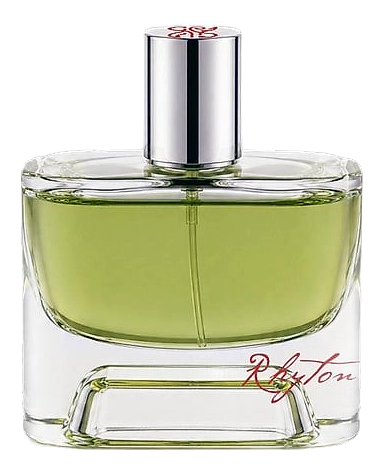
The Tablecloth was launched in 2026 by Rhyton, a house that prefers its fragrances unnamed and unnoted. There's no official note list. The brand deliberately does not provide any fragrance notes, leaving the notes to be guessed at, encouraging you to discover various elements for yourself. It's either maddening or refreshing depending on your tolerance for mystery. One reviewer associated the scent with an old Polish house in the countryside, a personal memory rather than official brand lore, but the atmosphere it conjures is unmistakable. Green notes, wildflowers, honey, tea, lacquered wood, and herbal notes drift through the air like memory of a place you've been to but can't quite place.
What's interesting here is the restraint. The fragrance sits in earthy-fresh territory, a combination that requires careful balance to pull off without tipping into territory that feels either too damp or too clean. Rhyton threads the needle. The honey and tea give it warmth without sweetness overload. The green notes and herbs keep it grounded without going too far in any direction. There's a self-assuredness to how the composition holds itself together: nothing shouts, nothing overstays, nothing tries too hard. It's a composition that knows what it wants to be: a room, not a landscape.
The evolution
On skin, The Tablecloth opens with a bright rush of green that reads almost like crushed stems and fresh-cut grass mixed with something herbal. It's immediate, almost startling in its clarity, like stepping outside after being indoors too long. Within the first stretch of wear, the wildflowers arrive, delicate and indistinct, more the idea of a meadow than any specific bloom. The honey surfaces next, golden and warm, sweetened by the tea note into something that smells less like a beverage and more like the moment tea is steeping, the steam curling off the cup. The lacquered wood eventually grounds the composition, giving it a polished depth that keeps the green from floating away. As the hours pass, the herbal notes take over the conversation, drying down into something that smells like the kitchen after the herbs have been bundled and the window has been left open overnight.
Cultural impact
One reviewer describes the scent as 'village air without animalics,' a calming green-earthy composition that brought to mind visiting a grandmother in the country. The impression is of a lived-in space, warm and green and quietly domestic, without any of the sharper farmyard notes that might come from more literal countryside interpretations. On Parfumo, the algorithmic 'users who like this often also like' suggestions point toward other green and pastoral compositions, including Dandelion Butter by Clue Perfumery and Cow by Zoologist, suggesting a readership that gravitates toward earthy, botanical, and animalic-adjacent territory.