The Story
Why it exists.
The beginning
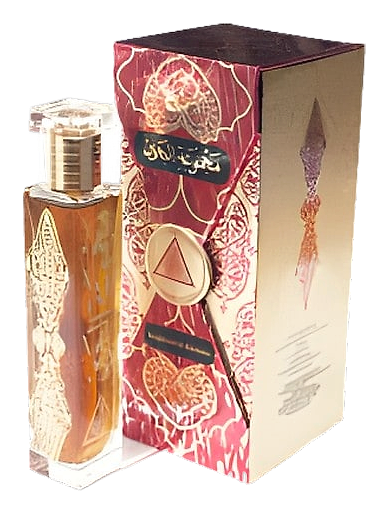
Majmuat Al Bahrain sits inside Reehat Al Aatoor's catalog of concentrated perfume oils, a lineage that gives the brand its character. The combined title carries weight all on its own. "Majmuat" sounds like a gathering or accumulation, and "Al Bahrain" pulls the eye toward a specific cultural geography, a region with deep roots in the perfumer's craft. Together the two words read less like a brand label and more like an arithmetic: a gathering of what the perfumer's house offers, a sum rather than a single element. The fragrance itself takes that conceptual gathering and renders it as scent, layering rose, oud, saffron, patchouli, and amber into a single composed accord where no single note disappears entirely but none leads alone.
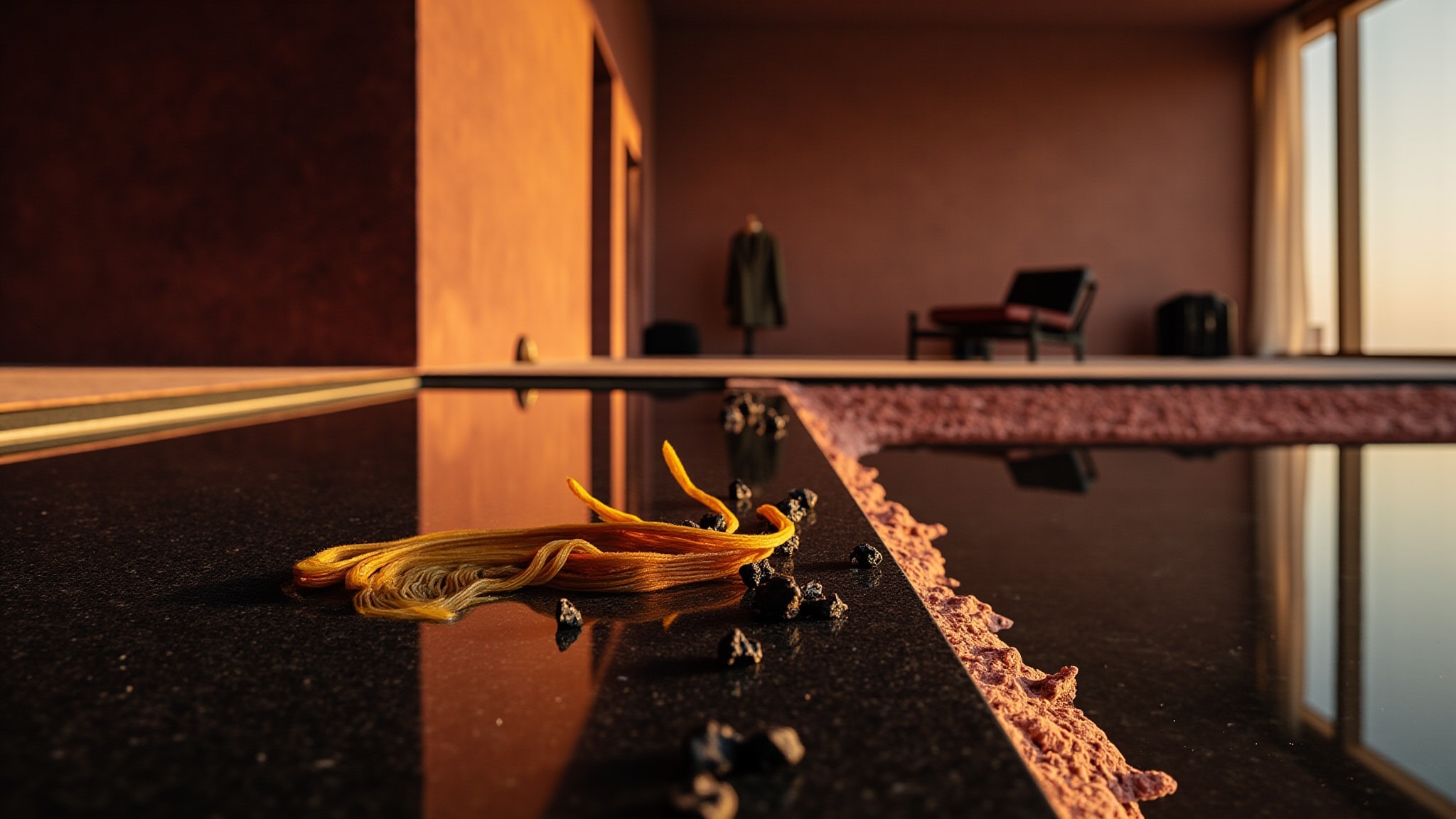
What makes the composition worth pausing on is the particular chemistry between the saffron and the oud at its center. Saffron arrives as a spicing element, not the headline, lending a dry, almost leathery heat that threads beneath everything else rather than sitting on top. The oud behaves as architecture, the structural beam around which the rose, saffron, and amber build their warmth. The patchouli adds an earthier, more resin-stained undertow than the brighter florals usually allow, grounding the composition in something mineral and damp rather than sweet or powdery.
The evolution
The opening arrives dressed in saffron and a raw, almost metallic edge of agarwood, with patchouli giving the whole thing a soil-stained undertow before rose even appears. The rose surfaces soon after, sweetening the composition just enough to keep it wearable without softening the rougher edges that the oud insists on keeping. As the hours pass, the saffron heat mellows into something drier, more leathery, and the amber begins to surface from beneath the heavier notes, warm and resinous in a way that feels like the accord exhaling. The drydown settles into a close where the resin and oud take the last word, hugging skin with a warm, slightly sweet persistence that occasionally throws a flicker of rose back into the air whenever you move.
Cultural impact
Majmuat Al Bahrain sits firmly in the territory of dense, resinous Arabian perfumery, where oud is treated as a primary building block rather than a whispered accent. It reads heavier and more animalic than the lighter rose-oud compositions that have circulated widely in Western fragrance circles, which makes it a natural pick for wearers who already know what oud should smell like and want the full, unvarnished expression rather than something softened for a broad audience.