The Story
Why it exists.
The beginning
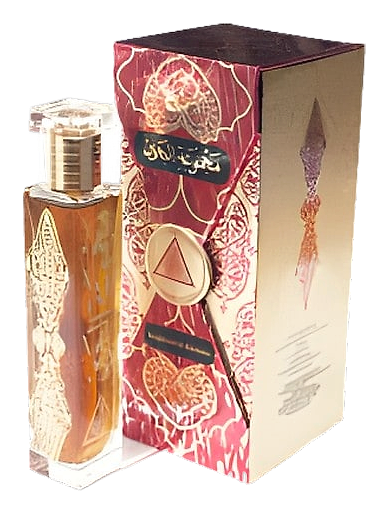
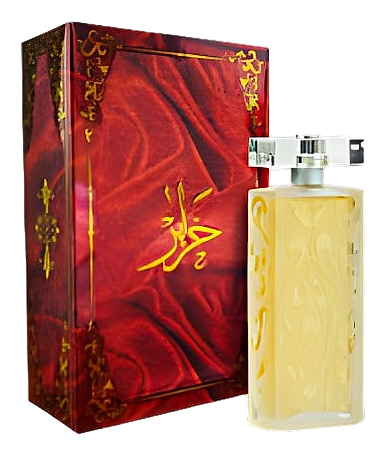
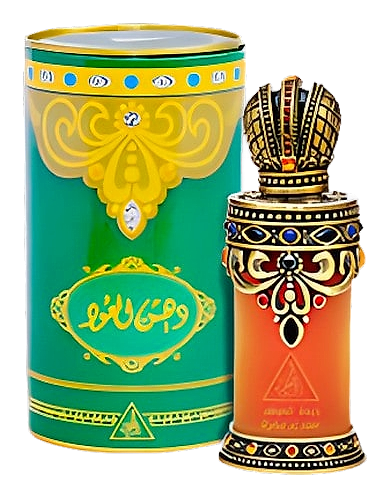
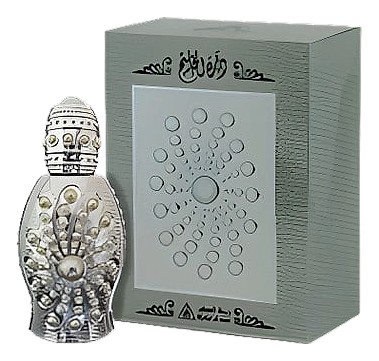
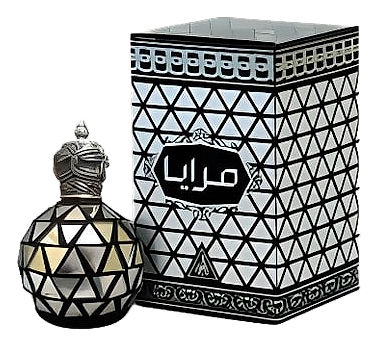
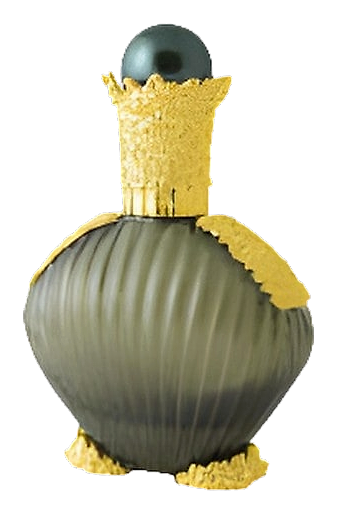
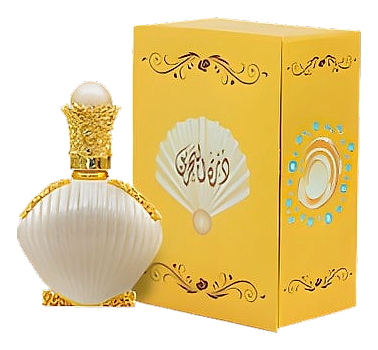
Durrat Al Bahrain takes its name from the Arabic word for pearl, the same pearls that pulled trade routes, ambition, and foreign sailors to Bahrain for centuries. Reehat Al Atoor, founded in 1989 in Manama as a house devoted to concentrated perfume oils and traditional mukhalat, named this composition for the island itself, the place before any particular scent. The house works in the oil format that defines Gulf perfumery, where fragrance lives on skin rather than vanishing into the air around it. Durrat Al Bahrain sits within a catalog built around Arabian geography, names like Durrat Al Khaleej and Naqsh that draw their meaning from the Arabic language rather than European marketing shorthand. The choice to keep the composition to cedar, rose, and sandalwood reflects the same restraint. Three notes, fully developed, in the format the Gulf has trusted for generations.
What makes this composition worth pausing on is its refusal to crowd the room. Most Arabian oils layer a dozen materials into something dense and ornamented. Durrat Al Bahrain strips that down to a triad. Cedar supplies the dry backbone. Sandalwood gives it warmth without sweetness. Rose connects them, floral enough to soften the wood without ever tipping into the jammy or sweet territory most rose fragrances drift toward. The accords listed alongside, woody, rose, powdery, warm spicy, describe what happens when these three materials interact on skin rather than what was added to the formula. There is no oud, no musk, no amber stacking up beneath.
The evolution
On skin the cedar arrives first, slightly dry, with that pencil-shaving sharpness that fades within minutes into something warmer. The rose enters around the fifteen-minute mark, not as a single-note burst but woven through the sandalwood's creaminess, giving the heart a soft pink tint against golden wood. There is no bright citrus or sharp green to crisp up the top, which means the fragrance doesn't perform the usual opening trick of grabbing attention and settling. It settles from the start. After roughly two hours the rose begins to blur into the base, sandalwood taking over the dominant register, and what stays on skin into the evening is a quiet, warm woodiness with the faintest trace of dried petal. Because this is an oil format rather than an alcohol spray, the drydown doesn't diminish the way most compositions do. It concentrates. The next morning, a faint band of sandalwood and ghost-rose lingers on clothing, particularly on fabric where oils cling longest.
Cultural impact
Durrat Al Bahrain sits inside a tradition that most Western fragrance buyers never encounter directly. Reehat Al Atoor has been producing concentrated oils in Manama since 1989, and Bahrain itself has been a Gulf trading hub for centuries, importing frankincense from Dhofar, rose from Taif, and sandalwood through Indian Ocean routes long before bottled perfumery existed as an industry. Wearing an attar rather than a spray places the wearer inside that pre-industrial lineage, where fragrance was dabbed, not sprayed, and reformulated for skin chemistry rather than room diffusion.