The Story
Why it exists.
The beginning
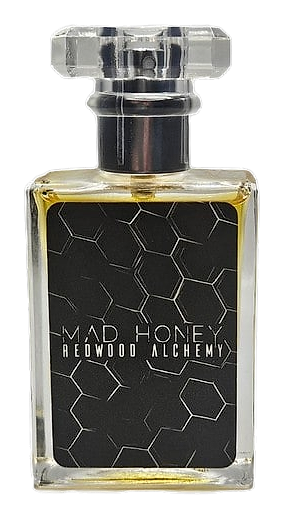
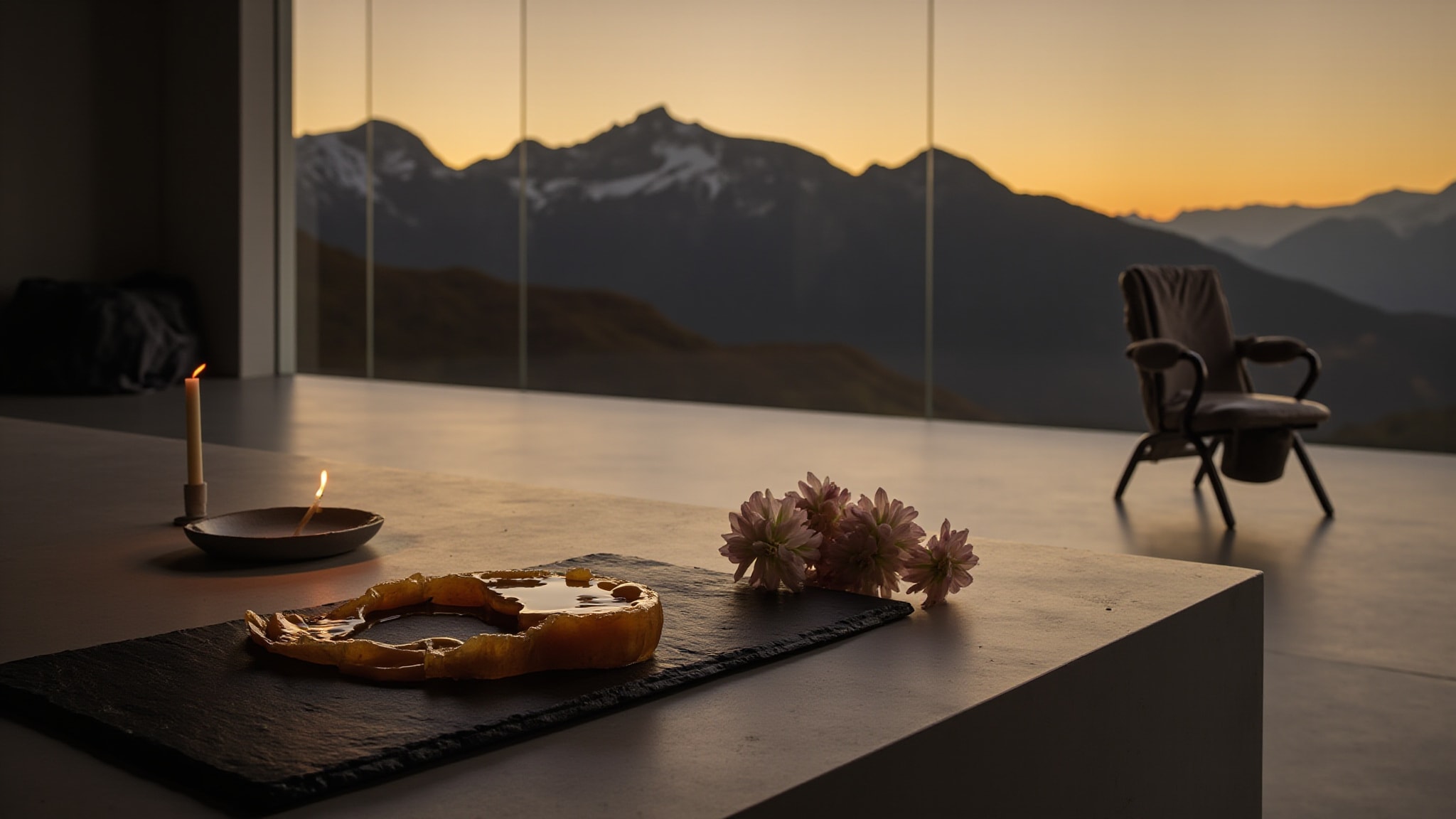
There's a honey harvested high in the Nepalese mountains that carries grayanotoxin, a compound strong enough to make you dizzy. The honey that emerges from this process carries grayanotoxin, a naturally occurring neurotoxin found in rhododendron nectar, potent enough to cause dizziness and disorientation when consumed in quantity. It occupies a rare space where sweetness and toxicity share the same molecule. Redwood Alchemy's Mad Honey, launched in 2023, translates that specific terroir into a bottle: the cool altitude, the neurotoxic sweetness, the sense that what you're smelling wasn't meant to be casual. The brand doesn't soften it. They let the danger in.
The beeswax reads waxy rather than candied, grounding the composition with a raw, unprocessed heft that keeps it from feeling like a confection. The rhododendron blossoms bring a cool, almost aqueous floral note that pushes against the honey's weight, like high-altitude air rushing through a warm room. The ozonic layer adds wind on stone, that metallic chill you get above the treeline. Together they create a paradox: a gourmand that refuses to feel edible, a sweetness that reads more medicinal than delicious.
The evolution
The air accord hits immediately, a cold mineral breeze that establishes altitude before the honey reveals itself. That's where the honey takes over, thick and resinous, wrapping around beeswax in dense layers. The composition settles onto skin with significant weight, neither projecting aggressively nor hiding in proximity. Eventually the rhododendron starts surfacing, that cool floral edge pulling back the sweetness in a slow exchange of temperature and tone. The ozonic notes don't vanish entirely, they just thin into skin warmth, becoming a whisper rather than a statement. In the later drydown, you're left with beeswax and a faint honey trace, close to the body, almost powdery, the way a scent retreats after a long day of wearing.
Cultural impact
Mad Honey fits Redwood Alchemy's whole thesis. This one leans into the neurotoxic edge, the slight danger, the sense that what you're wearing carries real-world weight beyond simple pleasantness. It speaks to fragrance that doesn't soften itself for the room, perfume that asks you to meet it where it lives rather than the other way around. The appeal is partly intellectual and partly visceral: you wear something that knows where it came from, and that knowledge shows up in the way the scent behaves on skin. There's no attempt to make the honey cozy or the danger cute.
The House
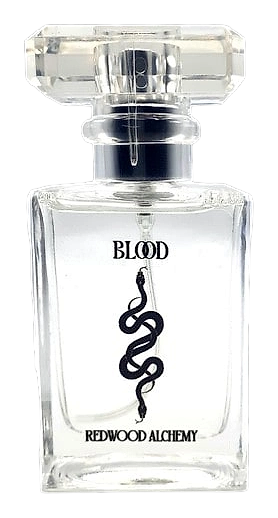
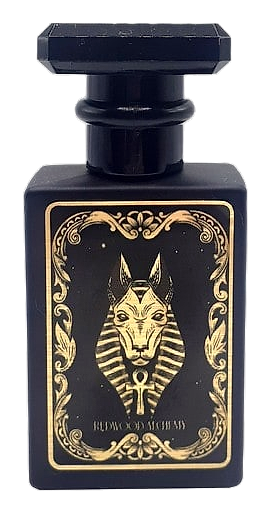
Redwood AlchemyRedwood Alchemy is an independent niche perfume house operating from the Santa Cruz mountains in California, a location that directly informs both their name and their atmospheric scent portfolio. The house specializes in small-batch fragrance production using professional-grade aromachemicals alongside essential oils, absolutes, and resins. Their catalog explores unconventional olfactory territory, with fragrances named Blood, Grave, Undergrowth, and Anubis dominating their collection. The brand has garnered attention for hyper-realistic interpretations of challenging themes, including their notable Blood fragrance which reportedly captures metallic, mineral, and iron-rich facets reminiscent of fresh human blood. Operating as a true artisan operation, Redwood Alchemy produces fragrances in limited quantities with reported turnaround times of 21 to 28 business days, reflecting their commitment to handcrafted production over mass manufacturing.
The Creator
TopNotesTopNotes works with a precision that borders on architectural. Their compositions tend toward clean, defined structures where each ingredient remains legible, where top notes do not rush past the heart but unfold with deliberate pacing.