The Story
Why it exists.
The beginning
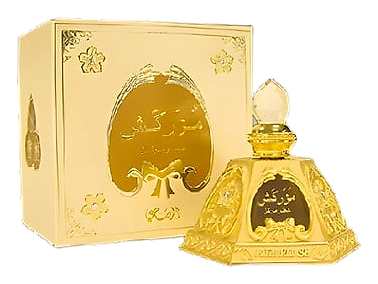
Muzarkash translates to 'exceptional', an ambitious name for any fragrance, though Rasasi has built four decades of credibility around exactly that promise. Founded in Dubai in 1979, the house bridges traditional Arabian perfumery and modern accessibility, and this oil-based concentration is a direct expression of that heritage. The name sets the tone: something that stands apart, that earns its place on the shelf.
The note structure reflects this intent. Bright citrus and florals at the opening establish immediate accessibility, a fragrance that opens with warmth rather than intensity. The transition into woody and ambery heart notes is where the character deepens, moving from approachable to genuinely compelling. Musk in the base is the finishing move: it keeps everything close, intimate, personal. Not a fragrance that announces itself from across a room. A fragrance that reveals itself to whoever steps in.
The evolution
The opening arrives quickly, citrus and florals make their entrance within minutes, bright and assertive without being sharp. For the first two hours, the heart takes over: woody notes and amber settle in, wrapping the skin in warmth that feels deliberate rather than overwhelming. The drydown is the real story. Clean musk emerges as everything else fades, and this is where Muzarkash earns its name. The musk doesn't project, it lingers. Four to six more hours, intimate and close, like skin that simply smells good. On fabric, it settles quietly and waits. The next morning, a faint warmth remains.
Cultural impact
Muzarkash sits comfortably in Rasasi's accessible luxury positioning, solid oriental perfumery without the niche markup. For someone curious about the house's take on the category, it's a straightforward entry point. The oil format signals heritage over trend. It holds appeal for buyers who want the experience of premium oriental fragrance without committing to niche pricing.