The Story
Why it exists.
The beginning
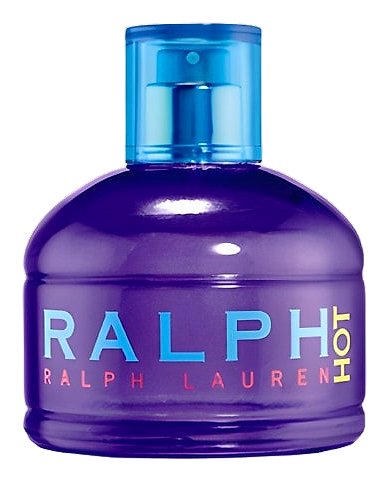
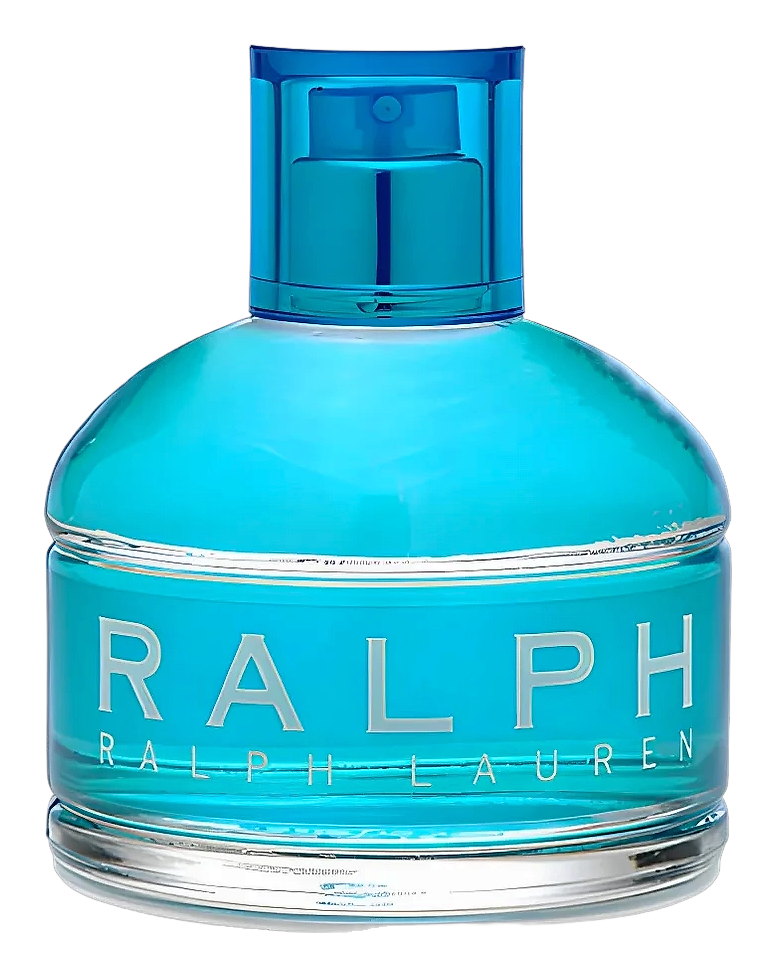
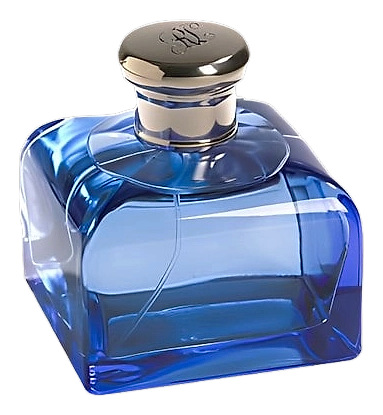
Ralph Wild arrived in 2008 as part of Ralph Lauren's ongoing exploration of American girlhood, not the complicated kind, but the uncomplicated version. The kind that wears gingham to brunch and doesn't overthink it. Perfumers Olivier Gillotin, James Krivda, and Linda Kramer built this around a simple premise: what if a fragrance tasted like the best parts of a summer afternoon? Strawberry and watermelon gave them the juicy opening. Cherry blossom and rose kept it feminine without tipping into childish. Musk and sandalwood gave it somewhere to land.
The note pyramid is surprisingly restrained for a fruity floral. Two top notes, three heart notes, two base notes, no padding, no filler. That simplicity is the point. Each material does one job and does it cleanly. The watermelon note in particular reads more like a cool, watery freshness than a fruitiness, it cools the strawberry instead of sweetening it. The cherry blossom brings a faint almond edge that prevents the heart from going too linear. The jasmine keeps things grounded in something recognizable. It's a well-constructed piece of functional perfumery: clean materials, clear intent, no surprises.
The evolution
The opening hits fast, strawberry first, then watermelon slides in to cool it down within seconds. The transition to the heart takes about 15 minutes, and this is where the fragrance earns its Ralph Lauren name. Cherry blossom and rose arrive together, the jasmine holding back slightly, keeping the floral from going powdery too early. By the 45-minute mark, the fruit has receded and you're in full floral territory. The drydown begins around the 2-hour mark, when musk and sandalwood finally arrive. Sandalwood anchors everything for the remaining 2-4 hours, depending on skin. On most skin types, you'll catch traces of it until you wash your wrists. The sillage stays moderate throughout, people next to you will notice, but they won't choke on it.
Cultural impact
Ralph Wild found its audience among women who wanted a straightforward summer fragrance without complexity or commitment. It wasn't trying to be art, it was trying to smell like the best day of your vacation. That simplicity is also what kept it from being taken seriously by fragrance enthusiasts, but for its target demographic, that was never the point. The brand discontinued it around 2012, and it now trades mostly on the secondary market. Those who wore it remember it fondly; those who missed it occasionally stumble across it and wonder why it disappeared.
The House
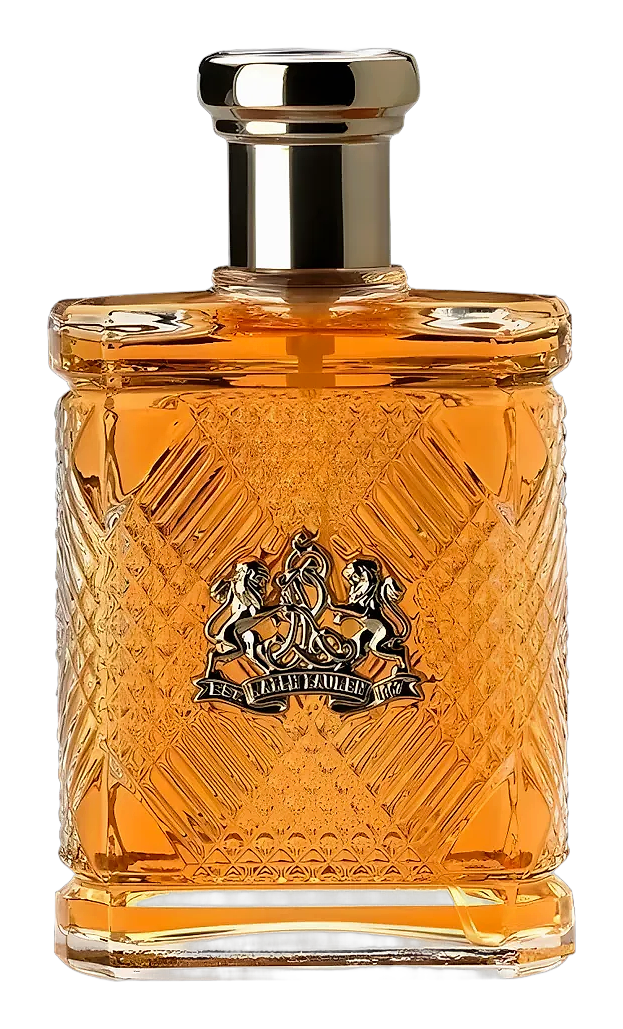
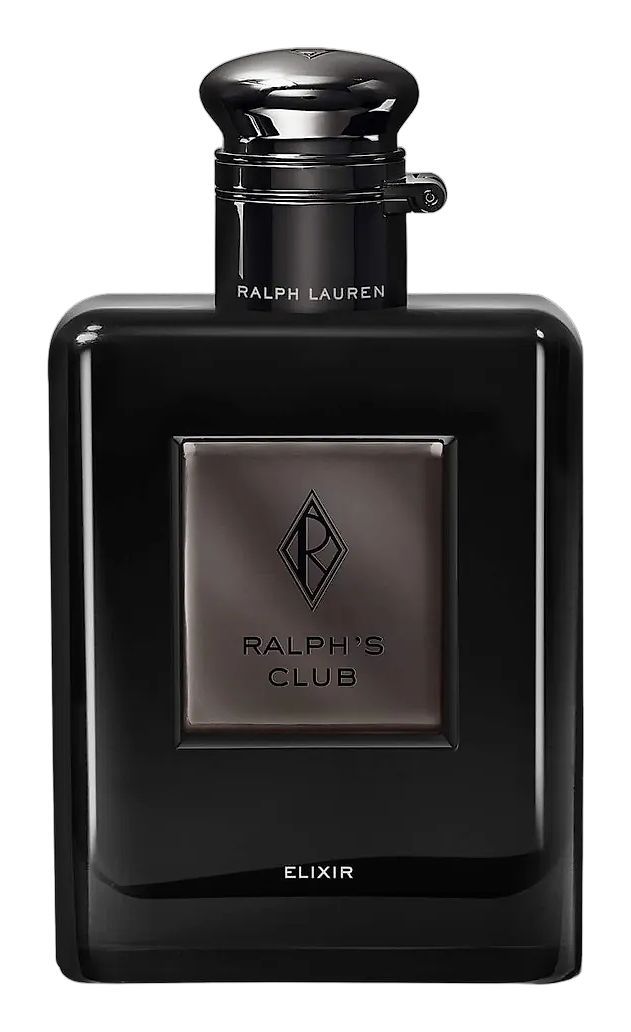
Ralph LaurenRalph Lauren is the quintessential American luxury brand that transformed a $50,000 tie business into a global lifestyle empire. Founded in 1967 by Ralph Lifshitz, a Bronx-born son of Jewish immigrants, the house virtually invented the concept of 'lifestyle' branding. Their fragrance portfolio captures that same all-American spirit, from the rugged masculinity of Polo (1978) to the romantic elegance of Romance (1998). Each scent reflects Lauren's vision of timeless style, whether it is the preppy confidence of the original Polo or the modern sophistication of Ralph's Club. The brand licenses its fragrances through L'Oréal, bringing accessible luxury to a worldwide audience while maintaining that distinctive Ralph Lauren polish.
The Creator
Olivier Gillotin & James Krivda & Linda KramerOlivier Gillotin's signature style often leans into rich, warm, and comforting profiles, with a particular affinity for gourmand and oriental facets. He's adept at creating compositions that feel luxurious and enveloping, often employing a masterful use of vanilla, amber, and…