The Story
Why it exists.
The beginning
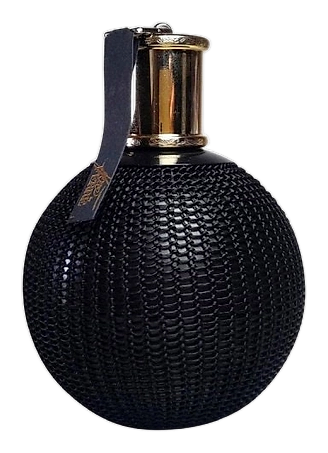
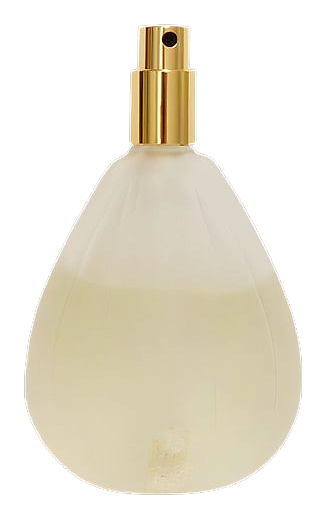
By the mid-1990s, the Curiel house was ready to translate its sensibility into scent. The result was this composition, named simply Raffaella, bearing the designer's own name. The choice signals intent. This is personal. A house portrait rendered in aldehydes and florals, the olfactory equivalent of a signature placed at the bottom of a letter. The fragrance reads as deliberate, architectural, a quiet declaration rather than a loud one. It's the kind of scent that doesn't ask for attention but rewards it, the aldehydes flashing at the collar like a flash of light off glass before settling into the softer impression that defines the wear.
Aldehydes are the brave move here, the note that splits a room. They bring that lift, the soapy shimmer that defines the top of the composition, and without them this would simply be a floral bouquet. With them, it becomes architecture. The aldehydes set the stage for an abstract floral heart that never reveals its individual blooms. That restraint is deliberate. Where most florals shout their ingredients, Raffaella keeps its flowers as suggestion rather than declaration, a blur of petals rather than a named bouquet.
The evolution
The first ten minutes are all surface. Aldehydes flash bright, almost metallic, like the glint off a crystal chandelier or the snap of starched cotton. It feels constructed, deliberate. Then the soapy quality deepens into something warmer, less austere. The florals never announce themselves by name. They arrive as a collective impression: petals crushed between fingers, the ghost of a bouquet left on a vanity. As the wear progresses the aldehyde sharpness softens considerably, replaced by a quiet, skin-close warmth that reads more intimate than anything the opening promised. The final hours bring a soft, almost powdery drydown that clings to fabric like a memory. On a scarf, a day later, there's still a faint floral trace, a whisper that suggests the fragrance has settled into something more personal, more private.
Cultural impact
This is a quiet fragrance in every sense, from its composition to its place in the market. The aldehyde-floral combination marks it as architectural rather than ornamental, a scent that prizes structure over sweetness. The soapy, powdery quality positions it within a lineage of fragrances that understood restraint as a form of luxury, compositions that let the negative space do as much work as the filled-in notes. It suits a particular kind of wearer: someone who treats fragrance as finishing, not announcement, the final gesture before stepping out rather than the loudest thing in the room.