The Story
Why it exists.
The beginning
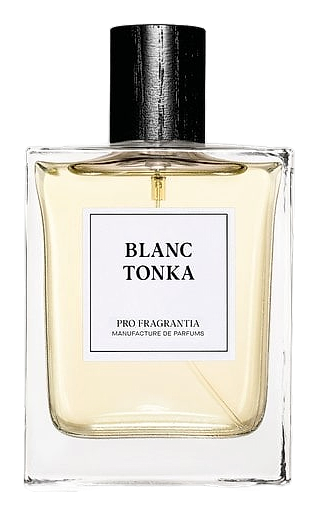
Blanc Tonka began as a study in restraint. The brief: tonka bean, but not as a statement. Tonka bean as a whisper. Thomas Nipkow built upward from there, rice powder for starchy warmth, papyrus for dry counterweight, white flowers for seduction that doesn't announce itself. The name says it all: tonka in white. Not loud. Not heavy. Just present, in the way the best things are.
What makes this composition work is the rice powder. It sits between the fresh opening and the warm base, bridging the gap with a starchy, almost skin-like quality that makes everything feel cohesive rather than layered. Papyrus adds a dry, papery note that keeps the florals honest, nothing syrupy here, just clean white flowers over subtle warmth. The tonka-bean-to-caramel heart isn't a dessert; it's a quiet sweetness, the kind that stays close to the skin rather than announcing itself across the room.
The evolution
The opening hits clean, dew-fresh, like water droplets on morning skin. That crystalline coolness settles and deepens before the florals arrive. White flowers, but not loud. Rice powder smooths the transition, giving everything a creamy, slightly starchy warmth. Then the base opens: tonka, caramel, amber, and a whisper of vanilla. The sweetness builds gradually, not all at once. As time passes, the scent wraps close, warm skin and powder. The drydown lingers near the body, intimate and persistent.
Cultural impact
Blanc Tonka occupies a specific niche: warm, powdery, and approachable. Wearers describe it as the scent of someone who doesn't need the room to know they're there, quiet confidence, close sillage. The fragrance leans into softness rather than projection, finding its audience among those who prefer intimacy over impact. It presents an alternative to louder, more assertive releases, offering a gentle counterpoint to the complexity that often defines niche offerings. For those seeking a fragrance that whispers rather than shouts, Blanc Tonka delivers warmth and presence without overwhelming.