The Story
Why it exists.
The beginning
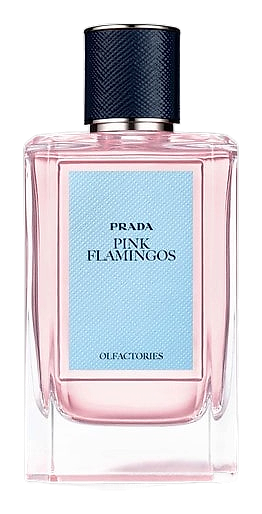
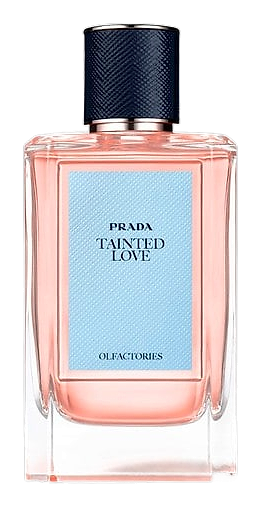
Prada's Olfactories collection arrived in 2015 as a deliberate departure from the house's mainstream releases. Each of the ten scents in the collection was conceived as a conceptual exploration, fragrances that smelled like ideas, not occasions. Daniela Andrier, the perfumer behind Prada's most defining work for nearly two decades, signed each one. Tainted Love was her answer to an unlikely question: what if you could bottle the synthetic smell of lipstick and call it a fragrance worth wearing?
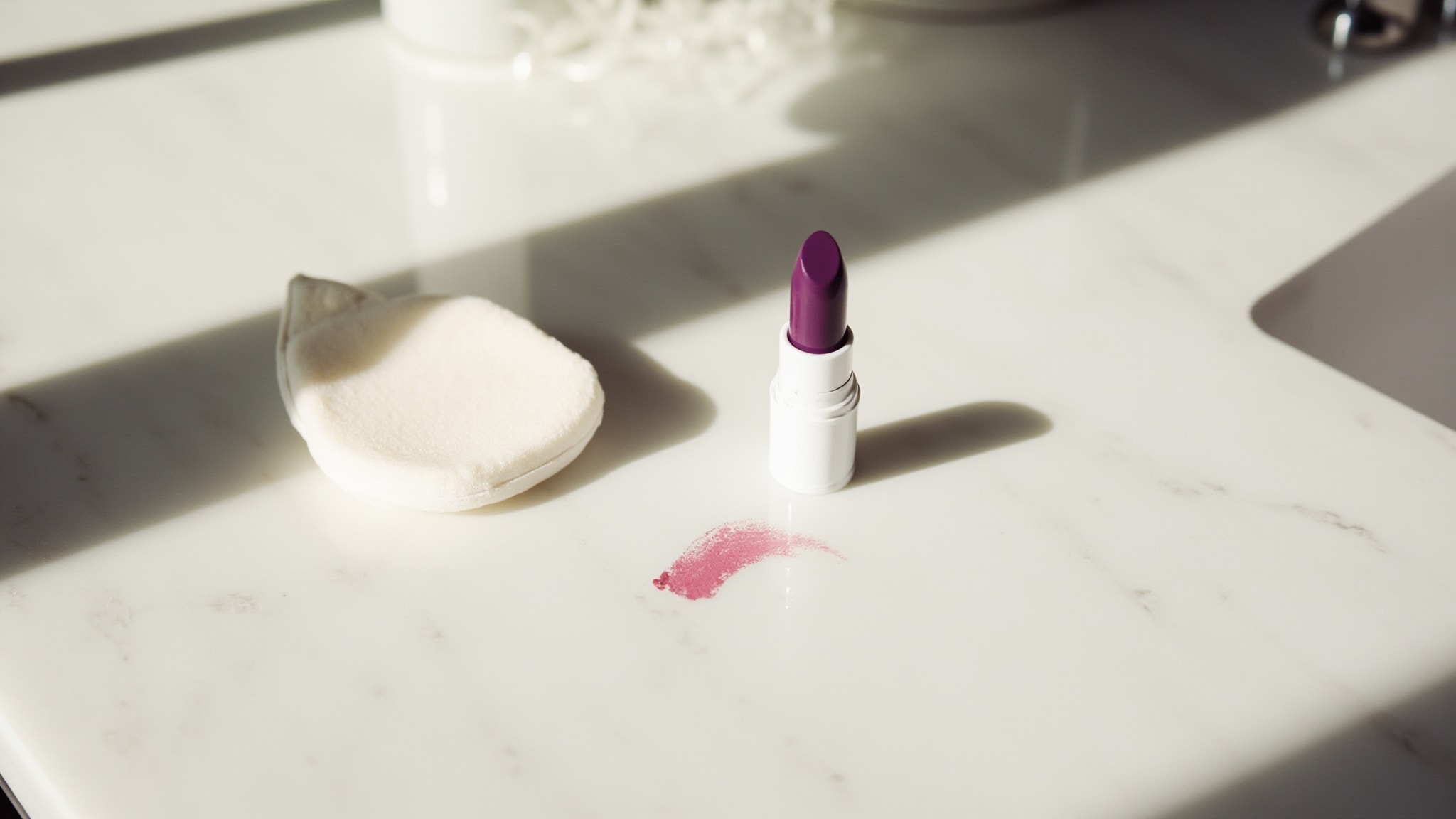
The brilliance here is in the contradiction. Orris root, one of perfumery's most expensive and revered materials, typically signals powder, elegance, restraint. Here it sits alongside pear, peach, and raspberry: fruits that suggest something youthful, approachable, even playful. The synthetic element (the violet-lipstick accord) threads through the entire composition rather than appearing as a single trick. It's not a fragrance trying to smell like a lip product. It's a fragrance that absorbed what lipstick means, the intimacy, the reapplication, the glossy armor, and translated it into something you can wear on your terms.
The evolution
The opening is a clean fruit note, pear, bright and almost aldehydic in its crispness. Within ten minutes, the violet rises. Not a quiet floral: this is the sharp, synthetic violet of a newly-swatched lip color. Raspberry adds a tartness that keeps it from becoming saccharine. The heart lasts longer than expected, rose and peach emerge, but they're subdued by the powdery accord that dominates. By the second hour, the musk arrives: clean, skin-close, intimate. Not a room-filler. A scent that stays within arm's reach, asks you to lean in. The orris root becomes more pronounced in the final drydown, a powdery, slightly metallic finish that lingers on fabric for hours after the skin has moved on.
Cultural impact
Tainted Love arrived in 2015 as part of Prada's Olfactories collection, a deliberate move away from commercial fragrance design toward conceptual art pieces. The 2015 launch challenged the era's prevailing preference for natural materials and transparent juice, amberoud and oud were dominating the market, and synthetic accords were still treated as budget compromises rather than artistic choices. By centering a violet-lipstick synthetic accord as the defining element, Daniela Andrier positioned the scent as a provocation: an haute couture interpretation of the cosmetic counter rendered as fine fragrance.