The Story
Why it exists.
The beginning
Leathermore was launched in 2015, the brainchild of Pierre Guillaume, the perfumer-creator behind the independent French house that bears his name. Guillaume is a French perfumer born in Auvergne, and Leathermore fits squarely within his brand's philosophy of poetic, narrative-driven compositions that translate a specific idea or memory into scent. Here, that idea is "vegetal leather," a concept Guillaume explored through the materials traditionally used to tan animal hides. The name itself is the thesis: not leather as finished product, but leather as process, as living material still steeped in the sap and tannin of its origins.
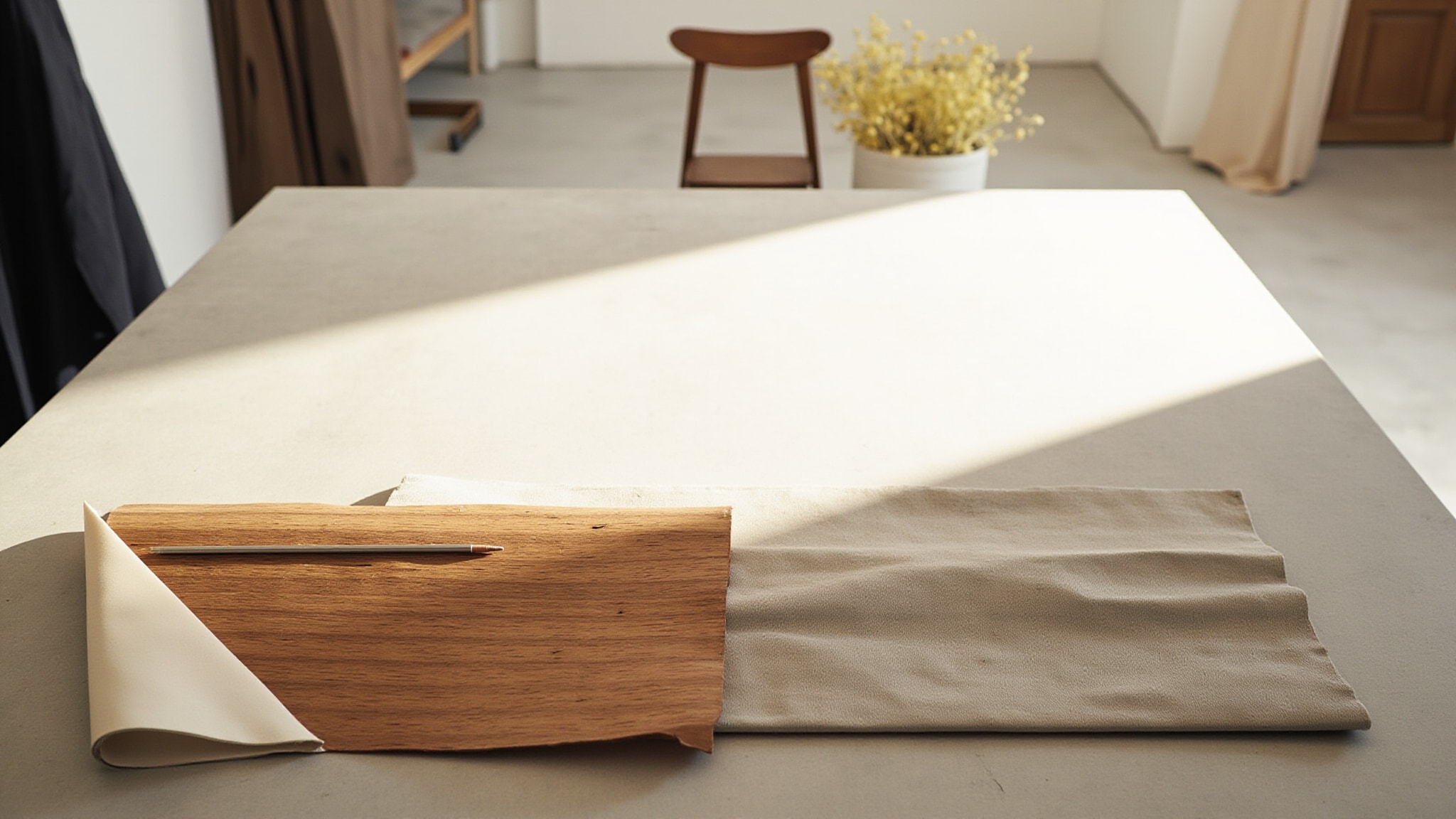
The distinctive move here is the construction method, not any single note. Guillaume imagines the scent of a piece of leather that has never fully left its vegetable bath, still green, still aqueous, still carrying the woody fingerprints of the tanning process itself. Oak and chestnut provide the tannic backbone. Acacia and mimosa lend their floral, almost hay-like softness. Rhubarb adds the vegetal snap. The result is a hybrid accord: leather that smells like the forest floor it was cured on. Cardamom, cumin, pink pepper, and ginger electrify this "animal sap" from above, turning what could read as dusty or archaic into something charged and current.
The evolution
The first thirty minutes are the greenest this leather gets. A vegetal snap of rhubarb and mimosa sits over the ginger heat, almost aquatic, like rain on stacked bark. The opening has that cool, sappy quality of a freshly cut branch, where the inner wood hasn't yet warmed to its own resin. Then the oak and chestnut tannins step forward and the material starts to cure in real time. The leather arrives not as a smoky hide but as something still being made, taut and vegetal, with cumin lending an animal warmth underneath. The cumin is what bridges the gap between raw vegetation and something closer to skin, a quiet nod to the body that will eventually carry the scent. By the two-hour mark, guaiac wood and incense take over the architecture, and the composition shifts from green to warm-smoky.
Cultural impact
Leathermore occupies an interesting niche within Pierre Guillaume Paris's catalog, one of the more conceptual entries that trades approachability for material specificity. It reconfigures the leather category from the inside out, rejecting the smoky, cured hide that dominates masculine fragrance and replacing it with a vegetative reading built around rhubarb, mimosa, oak, and chestnut tannins. That choice alone makes it a point of discussion among collectors who already know the conventional leather options and are curious about what happens when the genre is reduced to its raw materials.