
The Story
Why it exists.
The beginning
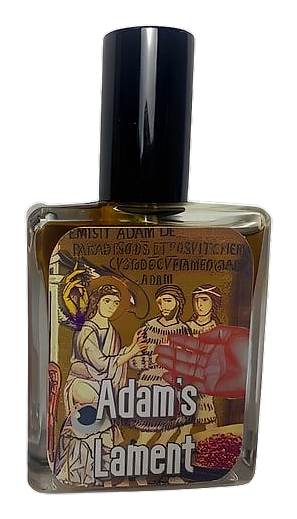
Adam's Lament takes its name from a figure who searched and despaired and searched again. The fragrance translates that specific kind of longing into scent, not the fall, not the punishment, but the relief that follows. Weston Adam named this 2024 release for a spiritual text about weariness and hope, about crying out and being heard. The composition mirrors that arc: begins with something sharp and honest, resolves into something warm and lasting.
Vanilla and sandalwood is a pairing that sounds simple and proves difficult. Too much vanilla drowns the wood. Too much sandalwood makes it austere. Here the two push against each other until they find equilibrium, a woody-creamy tension that doesn't resolve into either side. The pepper gives it lift at the top, keeps it from becoming static. What results is a fragrance that feels both comfortable and honest, a scent that earns its warmth rather than demanding it.
The evolution
The opening is pepper, black and pink, a brief clarity that announces itself and steps back. Within minutes the sandalwood arrives, but the vanilla is already there, warm and present, smoothing the wood into something worn and intimate. The heart is where this fragrance lives: creamy sandalwood, the kind that stays close to skin rather than filling a room. By drydown the pepper has dissolved completely. What remains is vanilla absolute and Mysore sandalwood, a quiet warmth that holds on for hours. On fabric the next day, faint and clean, like something familiar you can't quite place.
Cultural impact
A niche release from a small American house that earned attention on fragrance forums for its literary approach. Adam's Lament stands apart in the woody-vanilla space, unhurried, intimate, with a conviction that doesn't shout. The kind of fragrance that attracts wearers who've moved past performance and into meaning.