The Story
Why it exists.
The beginning
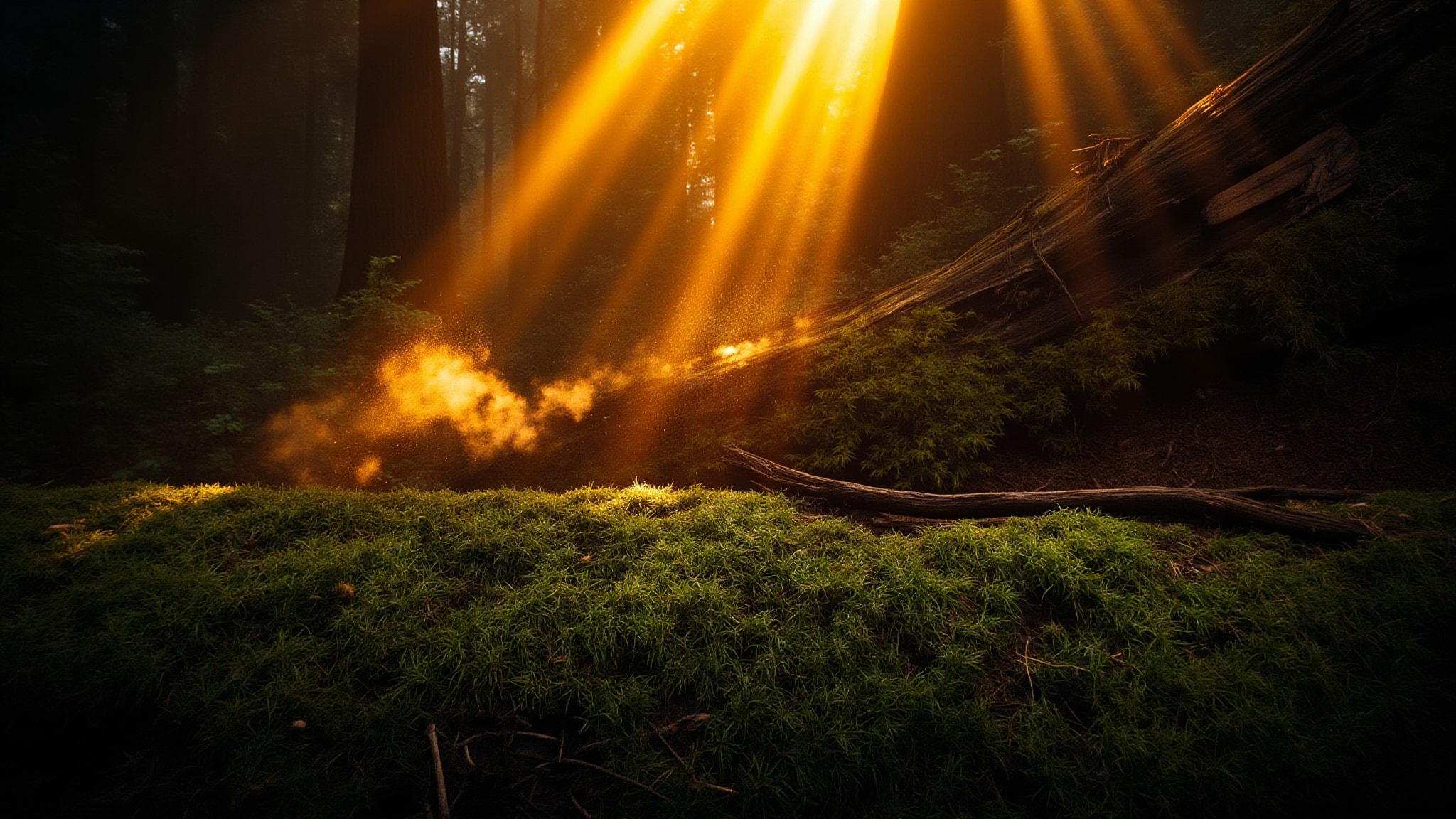
Sandara arrived in 2018 from Gino Percontino, an American perfumer working with Phlur's Austin-based team. The brief was simple: translate a redwood forest into something you could wear. Not metaphorically. The actual smell of old-growth trees at dusk, where the air turns cool and the light filters green through decades of canopy. Phlur has always treated fragrance as emotional territory, and Sandara is the brand at its most literal, named after the sensation of walking into a forest and forgetting, for a moment, that you brought your phone.
The structure is deceptively simple. Violet leaf anchors the top, herbal, almost aquatic in its coolness. Sandalwood anchors the base. The middle holds Sichuan pepper and oakmoss, which is where the fragrance earns its reputation. Oakmoss can swing between damp earth and something harsher depending on the wearer and the concentration used. Percontino threaded it carefully, letting it read as forest floor rather than funk. The result is a fragrance that smells like a specific place: redwoods after rain, ferns at your ankles, the quiet that only exists where cell towers don't reach.
The evolution
The opening announces itself in violet leaf, the cool, green exhale of crushed ferns. It hangs for the first thirty minutes, slightly aquatic, slightly herbal, like walking into mist. The sandalwood arrives next, not the creamy kind, but a drier wood that grounds the violet and gives it somewhere to live. Sichuan pepper adds a faint prickle underneath, easy to miss unless you're looking for it. The oakmoss emerges in the heart, and this is where the fragrance makes its choice: damp earth or something sharper. On most skin, it reads as forest floor and quiet. On some, it veers into territory that divides opinion. The drydown is meditative, sandalwood and oakmoss together, close to the skin, intimate, lasting 6-8 hours. It's not a fragrance that announces itself. It waits for you to notice.
Cultural impact
Sandara never achieved the cult status of its more famous Le Labo cousin, but it carved out a quiet corner for itself. The fragrance attracted people who wanted Santal 33's green-woody DNA but in a less crowded, less expensive form. The oakmoss kept conversation alive, it divides opinion in the way that only polarizing materials can. When Phlur discontinued the line in 2021, the people who'd found their forest were left scrambling for bottles. That's usually how it goes with fragrances that mean something to someone.