
The Story
Why it exists.
The beginning
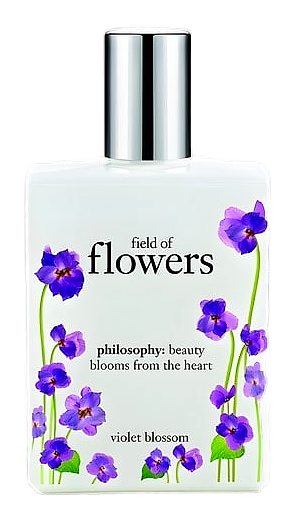
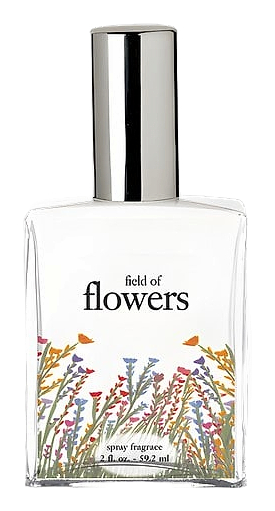
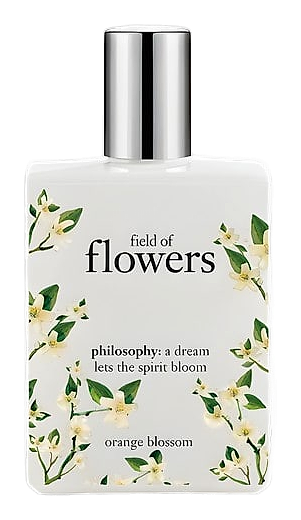
Field of Flowers Orange Blossom was launched in 2012 as part of Philosophy’s broader Field of Flowers collection, each scent translating the sensation of a specific bloom into wearable form. This edition focused on the luminous white flower that grows alongside citrus, sharing territory, sharing light. The collection included Field of Flowers Violet Blossom and Magnolia Blossom, but the orange blossom variant stood apart: less green, more golden, with that unmistakable soap-clean quality that makes it feel like skin, not perfume. The perfumer approached the brief with restraint, building around a single floral's personality rather than layering complexity for complexity's sake.
Orange blossom occupies a strange space in perfumery, familiar enough to feel comfortable, specific enough to feel distinctive. Unlike jasmine or rose, which can carry weight and sensuality, orange blossom tends toward clarity. It reads clean even when it's sweet. Philosophy leaned into this tension, amplifying the fresh, almost airy quality of the note rather than pushing it toward heavier expressions it can take on in other hands. The result is a fragrance that smells like the idea of orange blossom, presenting the floral in a way that emphasizes transparency and natural sweetness.
The evolution
The opening arrives quickly, a citrus burst that hits clean and sharp. Within minutes, the orange blossom asserts itself, not heavy, not overwhelming, just present. It sits close to the skin from the start. The citrus fades first, as citrus does, leaving the floral to carry the final stretch alone. Community reviews indicate that Field of Flowers Orange Blossom has moderate longevity, fading within a few hours on most wearers. One reviewer noted using it specifically in hair, where it tends to linger a bit longer than on skin. The evolution is brief, intimate, and completely without pretense, making it well-suited for close-up appreciation rather than projecting across a room. The fragrance offers its character early and doesn't dramatically shift as it wears, maintaining its clean, floral identity from start to finish.
Cultural impact
Field of Flowers Orange Blossom sits within a certain tradition of gentle fragrances in the Philosophy catalog, designed for regular use rather than making a strong statement. The 2 oz EDT format and the nature of the scent itself suggest a fragrance intended for personal use, something worn close to the body rather than announced to a room. While discontinued, it remains discussed among those who seek the gentlest expression of orange blossom available from a mass-market brand. The fragrance occupies a particular niche in how it presents this note, offering a softer, more restrained interpretation than many other options in the category.
The House
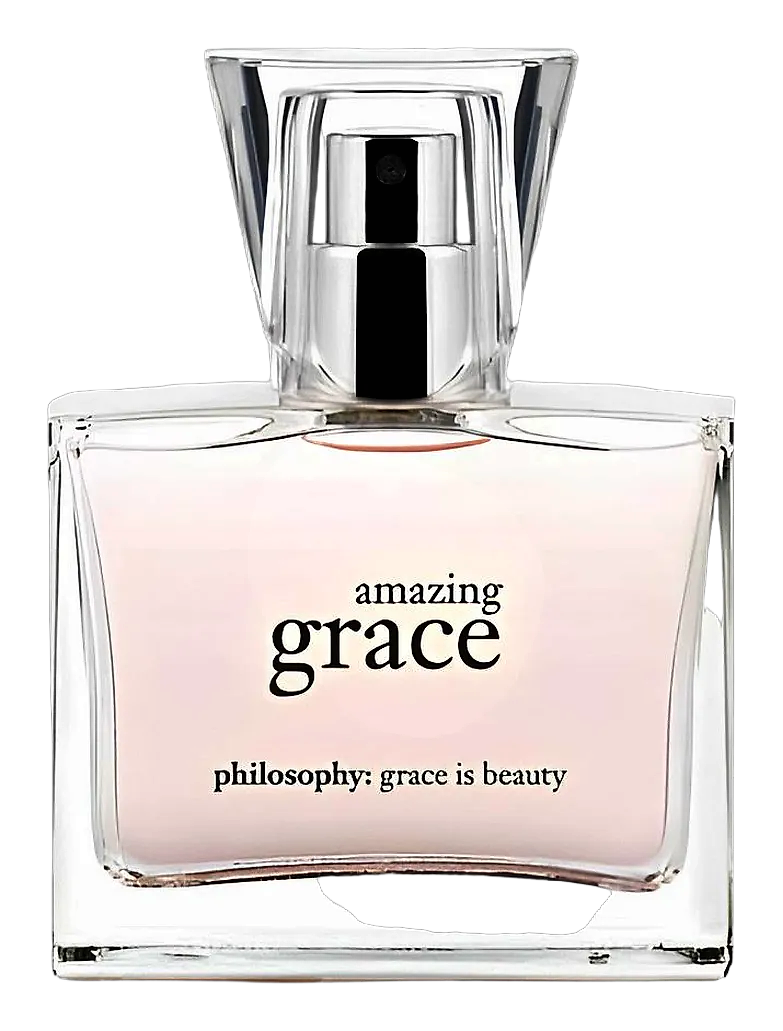
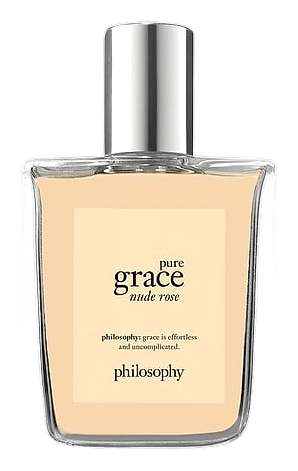
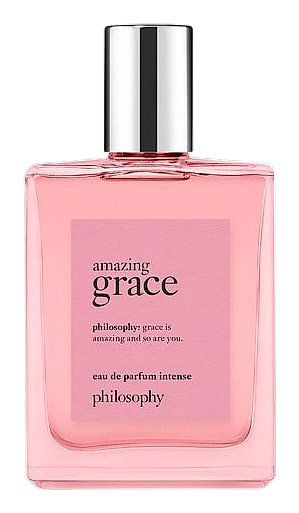
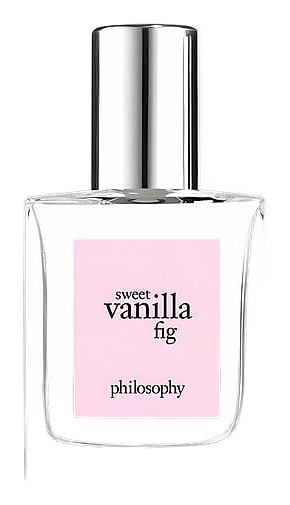
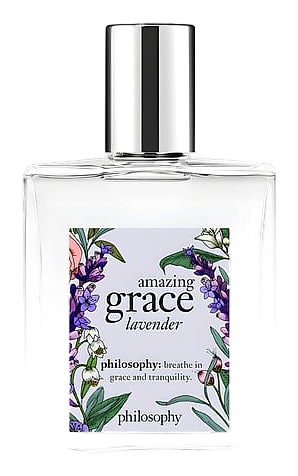
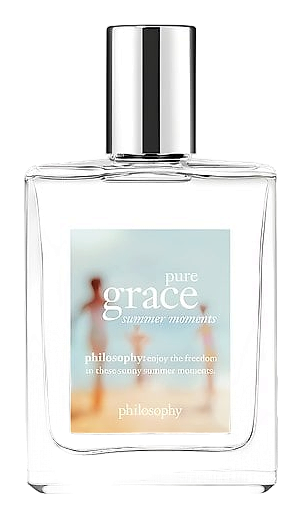
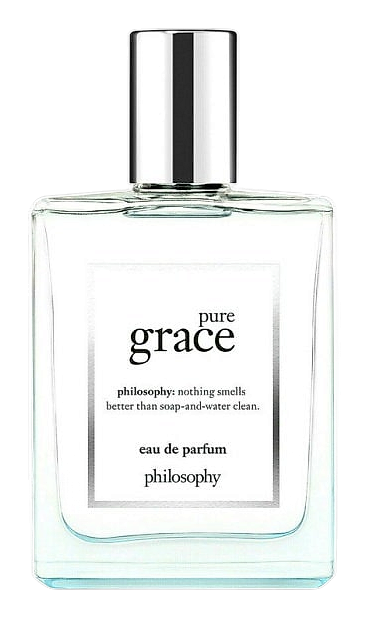
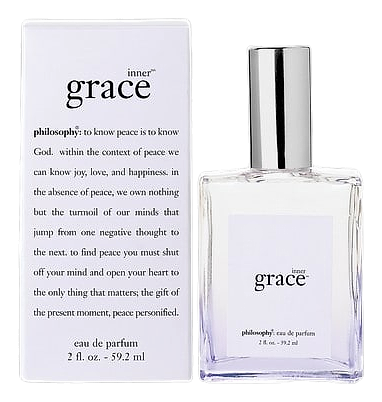
PhilosophyPhilosophy entered the fragrance world as an extension of its dermatological skincare expertise, bringing a clinical precision to scent creation that set it apart from traditional perfume houses. Founded by Cristina Carlino in 1996 as a Phoenix-based skincare brand, Philosophy leveraged its background in skin science to develop fragrances that prioritized skin compatibility alongside olfactory artistry. The brand gained recognition for its signature scent families, particularly the popular Pure Grace and Amazing Grace collections, which became cornerstone offerings in its fragrance portfolio. These lines showcased Philsophy's ability to translate simple, recognizable accords into elevated sensory experiences. Over time, the brand expanded its scent offerings to include seasonal limited editions and themed collections, often centered around evocative concepts like summer landscapes, winter imagery, and floral gardens. Philosophy occupies a distinctive position in the fragrance market by positioning itself at the intersection of beauty science and accessible luxury, appealing to consumers who value both efficacy and emotional resonance in their scent choices.
The Creator
DonVanVlietSignature techniques, preferred ingredient families, and olfactory signatures for DonVanVliet have not been established through available research materials.