
The Story
Why it exists.
The beginning
Scarlet arrived in 2014 as a women’s fragrance from Peter Andre, a line shaped by his pop career rather than by a traditional perfume house narrative. No perfumer or independent creative brief is publicly credited, so its clearest identity comes through the name and the composition. The title feels immediate and romantic, like a song lyric with red in its eyes. Its opening pairs blackcurrant and orange with magnolia, then jasmine and orange blossom carry the floral middle before almond and vanilla bring a warm, gourmand finish. The result is mainstream chart-pop warmth with a little more polish than nostalgia usually brings.
The interesting part is the collision of bright fruit, white flowers and a soft nutty base. Blackcurrant and orange bring a sparkling, almost playful opening, while magnolia, jasmine and orange blossom give it a polished floral center. Then almond and vanilla change the temperature, turning the composition warmer and more intimate. It’s a familiar celebrity-fragrance recipe in spirit, but the pairing gives Scarlet a useful tension: fruit and citrus keep it lively, while the base makes it feel grounded and slightly grown-up.
The evolution
Scarlet starts with a crisp, fruity lift. Blackcurrant makes the opening juicy and vivid, orange adds a clean gleam, and magnolia keeps the brightness from becoming too sharp. As the scent settles, jasmine and orange blossom soften the edges into a creamy floral heart. Then vanilla and almond take over, creating the warm, sweet trail that remains closest to skin. The drydown is less about disappearing and more about changing into a softer, gourmand signature. With a loyal community and strong recognition among fragrance enthusiasts, it suits the kind of day that starts polished and ends with something warmer lingering in your wake.
Cultural impact
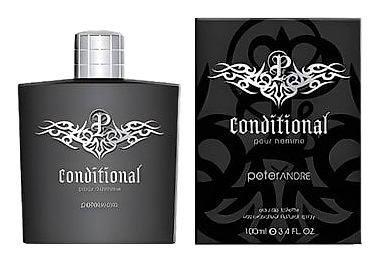
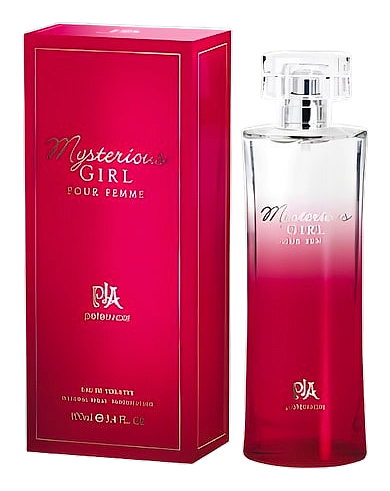
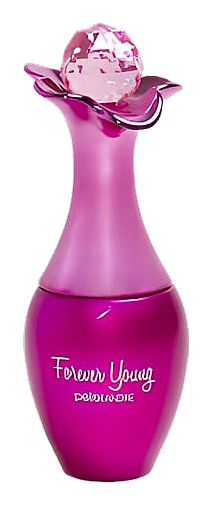
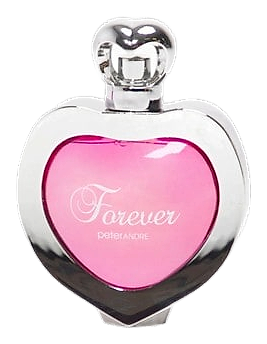
Peter Andre’s fragrance line lives in the space between pop nostalgia and everyday celebrity scent. Scarlet fits that register directly: recognizable, giftable and designed for accessible romantic warmth rather than perfume-house austerity. Its cultural place is less about a fragrance movement and more about the mainstream language of a hit song made wearable.