The Story
Why it exists.
The beginning
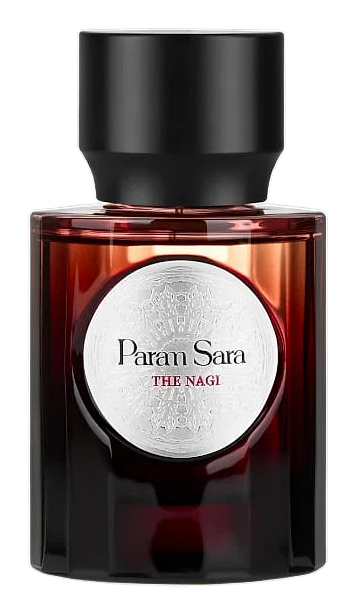
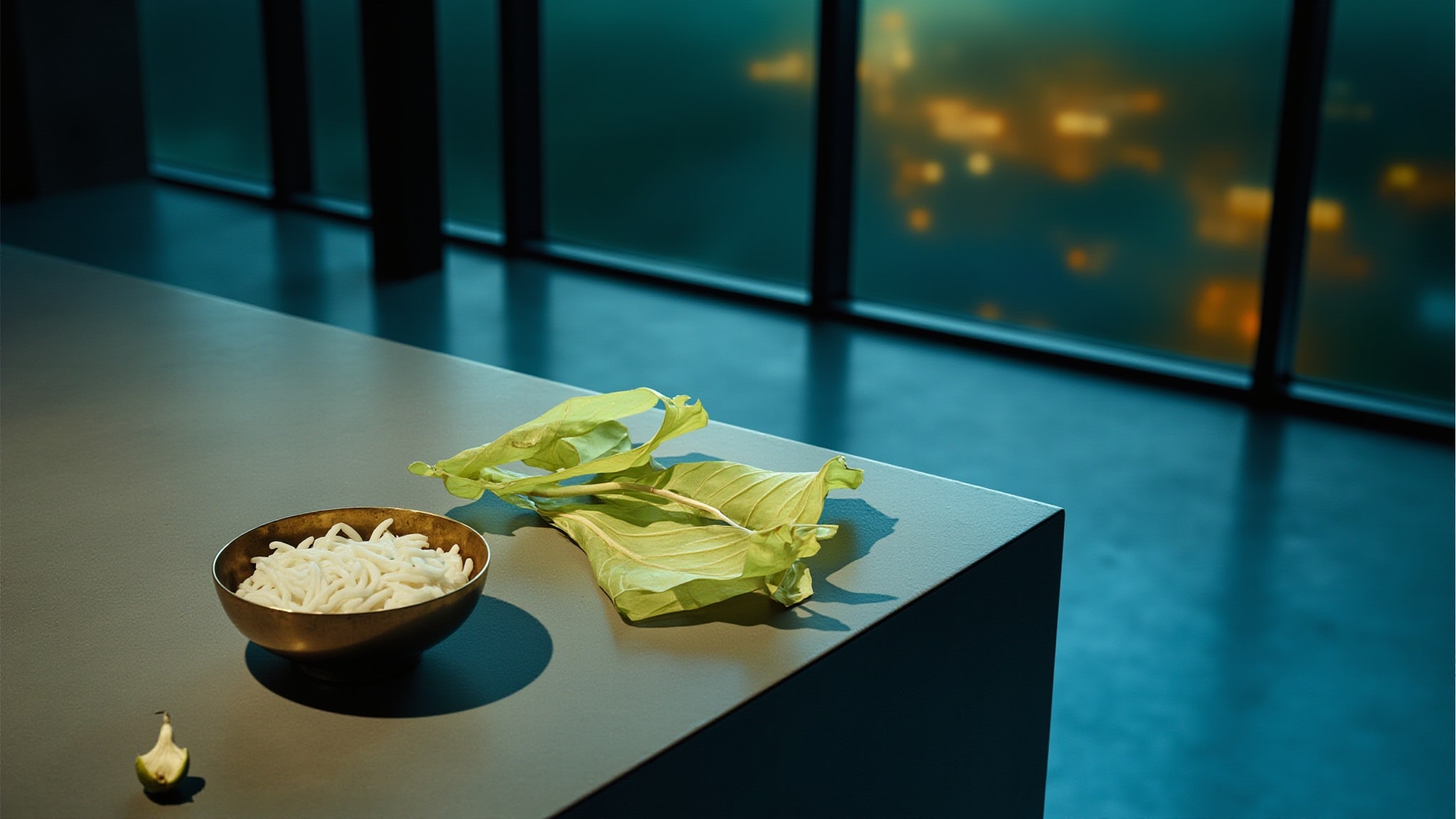
The Nagi takes its name from the serpent of Buddhist and Hindu tradition, the nāga, a creature coiled between water and wisdom. Something primal and cool on the surface, something heated and awake underneath. Perfumer Maxime Exler shaped it for the house's Season 002 collection in 2025, built around a cold-to-heat arc that runs across its three notes and a drydown that settles deep. The opening pairs fig leaf with coconut, the freshness of a leaf held against milky flesh, not fruit or cream in any dessert sense. Then clove enters with the sharp, almost medicinal warmth of spice ground at the moment of use, carrying rice behind it like steam off a clay pot. Musk anchors everything into skin.
What's interesting here is how little Param Sara tried to do. Four notes across three layers, and most of them doing double duty. Fig leaf carries green and a faint latex sweetness that previews the musk's skin-warmth. Coconut isn't tropical here; it's the dry, almost nutty version, more like the flesh inside than the water. Rice is the quietest of the four, and it bridges the green opening and the warm drydown without ever announcing itself. The fig leaf does more than open the fragrance.
The evolution
The first fifteen minutes are the greenest the fragrance ever gets. Fig leaf leads, sharp and vegetal, with coconut arriving almost immediately as a softener, not a sweetener. It reads more like crushed stem and leaf-water than anything you'd find in a dessert case. Clove is present from the start but tucked behind the green, warming up like a hand rubbed brisk. Around the thirty-minute mark, the coconut thickens and the rice begins to surface. The composition tips from green to golden, the fig leaf pulling back as a creamy, almost grainy warmth spreads across the skin. This is the heart of the fragrance. Clove deepens here, shifting from sharp to smoldering, and the rice gives it weight without sweetness. It smells, at this stage, like something simmering. Not food exactly. Atmosphere. The transition from green to golden is gradual rather than sudden.
Cultural impact
The Nagi has found an audience with wearers who describe it less as a fragrance and more as a mood: the smell of a warm room after rain, or of someone cooking quietly in the next room. The clove gives it presence without volume, which sets it apart from spiced compositions that lean rich or dessert-coded. There's a dryness to this scent that keeps it grounded, a papery grain running underneath the warmth that prevents it from ever tipping into sweetness. What makes this composition stand out is its restraint with spice.