
The Story
Why it exists.
The beginning
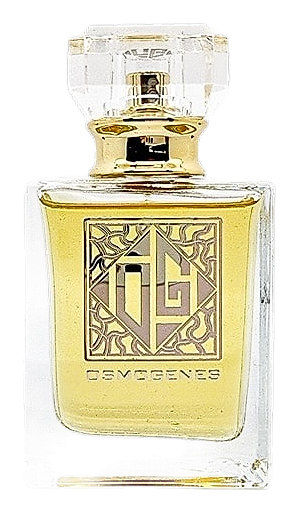
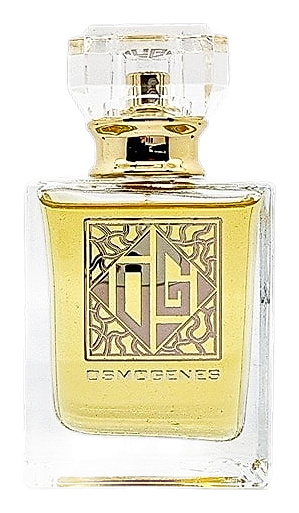
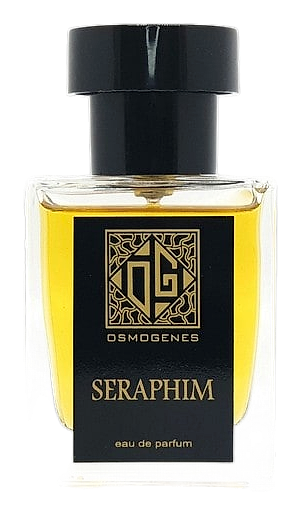
Seraphim takes its name from the highest order of angels in Christian tradition, beings of pure light and ceaseless devotion. Olga Gosina built this fragrance around an unusual tension: herbal sharpness meeting soft florals, resinous depth meeting quiet woodiness. The name suggests transcendence while the composition remains grounded in terrestrial beauty, anchored by rosemary, softened by chamomile, and settled by cedar alongside complementary base notes. It's the kind of paradox that makes sense once you've smelled it. The release arrived quietly into the OsmoGenes catalog, neither announced nor explained. It simply existed, waiting for someone to find it and recognize something in it worth keeping.
What makes Seraphim work is the way it refuses the obvious. Rosemary opens sharp and honest, that Mediterranean herb quality with its camphor edge and pine undertone. Then chamomile arrives and softens everything without making it sweet. Wildflowers bridge the gap between herb garden and meadow, keeping the composition from tipping into either direction. The base is where botanical sensibility shows most clearly, frankincense doesn't just add incense, it adds lift. Myrrh adds depth. Cedar and guaiac wood create a woodiness that complements the other elements without overwhelming them.
The evolution
The opening arrives with rosemary sharp and herbal, that distinctive Mediterranean bite cutting through immediately. The first thirty minutes ask something of you: do you lean in or pull back? Most people lean in. Chamomile arrives around the ten-minute mark, softening the edges, introducing a sweetness that feels earned rather than tacked on. The wildflowers layer in gradually, giving the heart an organic quality, less curated garden, more actual meadow. By the time frankincense announces itself, you're already committed. Myrrh deepens the base into something resinous and warm. Then cedar, guaiac wood, and pine create a woodiness that settles into the composition. Coumarin adds a quiet sweetness that lingers on fabric. The drydown brings warmth and wood together in a way that feels intimate rather than projecting.
Cultural impact
Seraphim occupies a distinct position within niche perfume circles, where independent perfumers have developed a tradition of pursuing composition over commercial appeal. The rosemary opening echoes bitter herbal traditions found in botanical perfumery practices, connecting this fragrance to a broader history of herbal influence in fragrance. The fragrance arrived during a period when independent perfumers were exploring bitter-green compositions, and Seraphim's specific combination, anchored in rosemary's herbal sharpness and chamomile's softening quality, offers a distinctive take within this creative space.