The Story
Why it exists.
The beginning
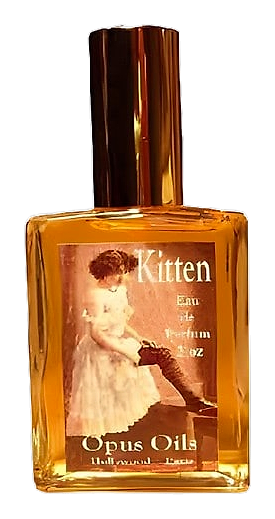
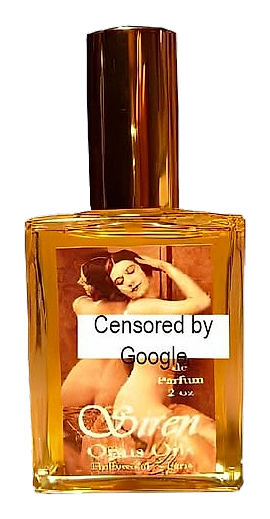
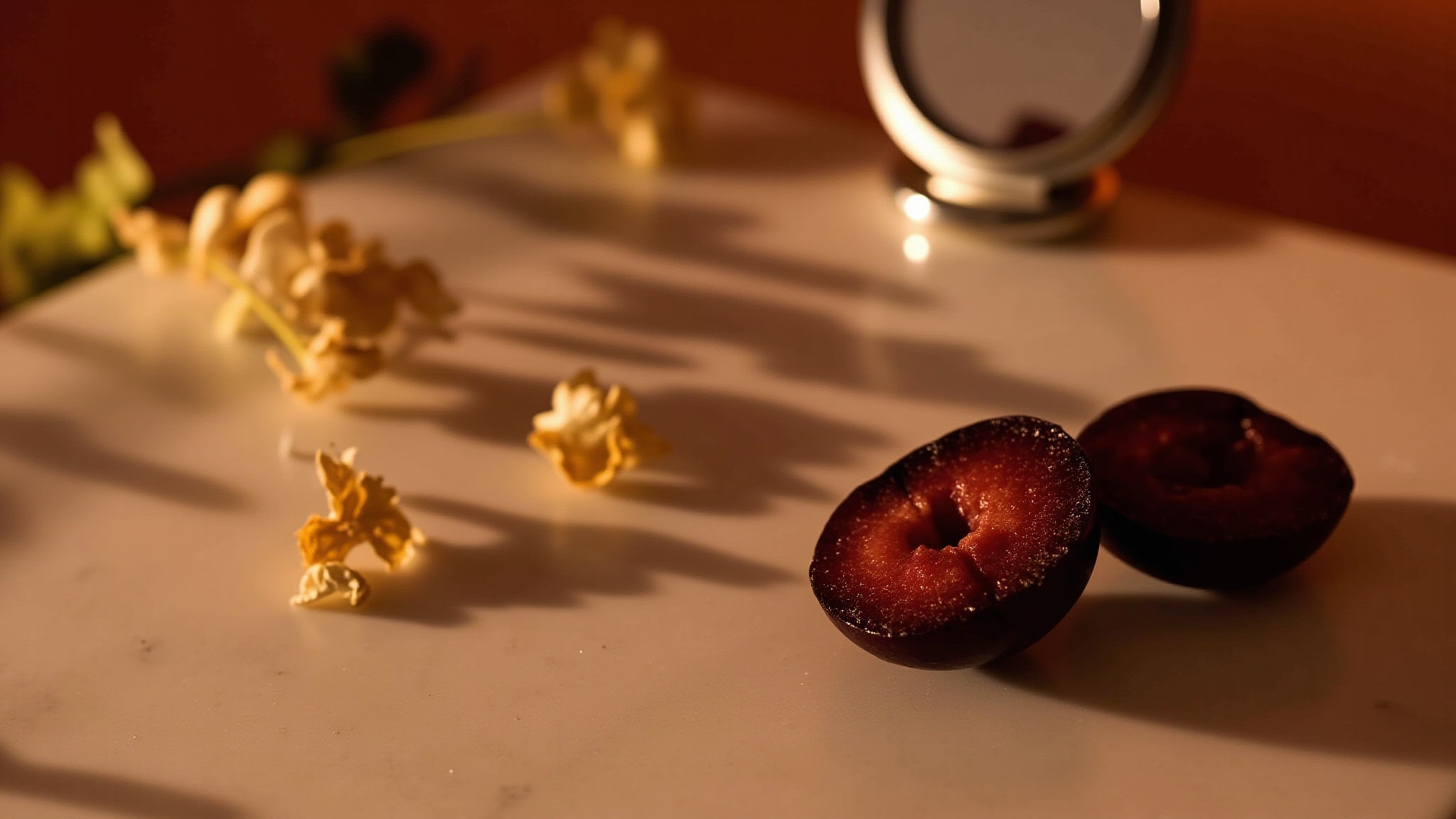
The Burlesque collection emerged from Kedra Hart's decades-long fascination with burlesque performance, the theatrical art of reveal and concealment, of glamour with a wink. Each fragrance in the line embodies a different archetype from that world. Siren takes its name from the most dangerous one: the performer who doesn't chase. She waits. The 2008 composition translates that energy into scent, a voluptuous fruity floral built around Chinese plum, jasmine absolute, and a mossy undertone that keeps the sweetness from becoming decoration.
What makes Siren interesting is the tension between its accords. Fruity and white floral pull toward the girlish, the decorative. Oakmoss pulls back toward something older, earthier, a damp forest floor, vintage perfume bottles, the powder room backstage. Ylang-ylang threads through the heart adding a tropical creaminess that rounds the edges without softening them entirely. It's a balancing act that doesn't always land in modern fragrance, where fruity florals tend to choose a lane. Here, the perfumer refused to.
The evolution
The opening announces itself immediately, plum and pear, bright and flirtatious. But there's an aquatic current running underneath, a cool shimmer that prevents the sweetness from becoming syrupy. The jasmine arrives within minutes, not announcing itself but softening everything in its path. Ylang-ylang deepens the floral heart, adding tropical richness. The oakmoss doesn't compete in the opening. It waits. When the fruity notes begin to fade, the moss reveals what it's been doing all along. The scent shifts, deepens, turns powdery and intimate. Earthy rather than green. Close rather than projected. As the wear continues, this becomes a skin scent. The jasmine and oakmoss linger here, no longer competing but companionable. The drydown brings a warm, embracing quality that feels personal and inviting, a whispered conversation rather than a proclamation.
Cultural impact
Burlesque: Siren arrived as part of a broader aesthetic conversation around theatrical archetypes and fragrance narratives. The burlesque movement, with its emphasis on spectacle, transformation, and the interplay between revelation and concealment, provides a rich framework for scent storytelling. Opus Oils positioned its collection within this dialogue, using performative archetypes to structure fragrance experiences. The launch suggested that scent, like burlesque, involves layers of meaning and the artful balance between what is shown and what is held back.