
The Story
Why it exists.
The beginning
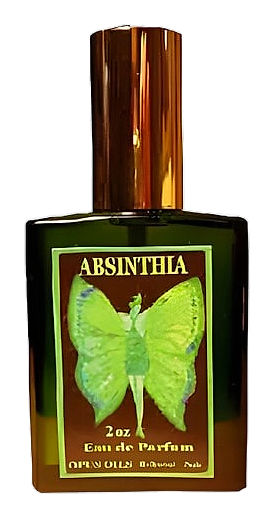
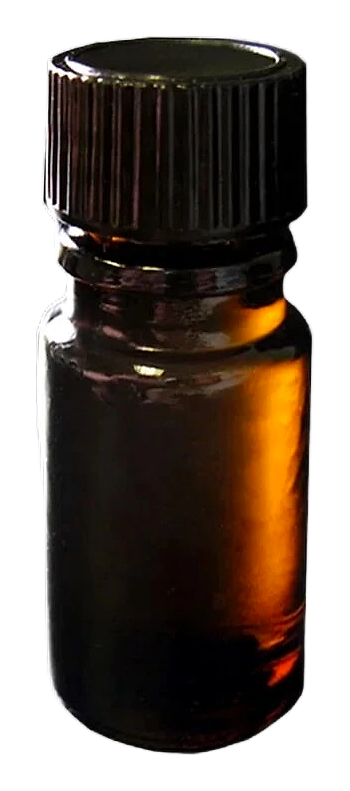
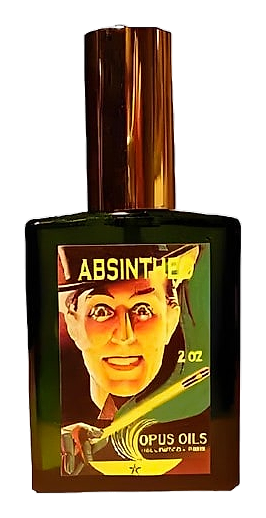
The Absinthe Collection by Opus Oils grew from a single curiosity: what if the absinthe wasn't about the spirit, but about the plant itself? The feminine Absinthia came first, soft, powdery, enchanting. The masculine counterpart, Absintheo, takes the same botanical territory and translates it through a different lens. Wormwood, vanilla, and wisteria remain, but they are anchored now in fig and sandalwood instead of florals. The fig opens with a quiet greenness, almost vegetable in its fresh cut stems, while the wormwood provides a clean bitterness that never overwhelms. Wisteria softens the transition, adding powdery floral warmth to the heart. Sandalwood settles into the base, giving the composition staying power without heaviness.
The real trick here is the fig-wormwood pairing. Fig is typically sweet and lactonic, almost creamy. Wormwood is green, bitter, and slightly medicinal. On paper, they shouldn't work together. In practice, they create a tension, the softness of the fig against the sharp bite of the herb, that keeps the fragrance from settling into predictable sweetness. Sandalwood enters as the stabilizer, warm and woody, pulling everything toward a finish that feels masculine without being heavy.
The evolution
Absintheo opens with fig doing something unusual, soft, slightly green, almost like the crushed stem rather than the fruit. Within minutes, the wormwood arrives and the composition shifts. Not aggressive, but present. A green bitterness that cuts through the sweetness like a blade. The vanilla sugar doesn't disappear, it rises to meet the herb, sweetening the edges without softening them. Wisteria appears in the heart, adding a powdery floral note that bridges the gap between bitter and warm. The combination of wisteria and vanilla creates an unexpected softness in the middle registers, a creamy floral quality that tempers the herb's edge. As the top notes settle, the sandalwood base begins to emerge, blending with the lingering vanilla to create a warm, intimate drydown that clings close to the skin.
Cultural impact
Absinthe fragrances have become a niche category of their own, with many interpretations attempting to recreate the spirit's green, anise-forward character. Absintheo takes a different path, treating the absinthe as a botanical element rather than a spirit replication. The absinthe here is herbal, not boozy, grounded in fig and sandalwood rather than trying to capture the mythology of the green fairy. Wearers who expect green fairy associations will find something quieter and more interesting: the herb itself, used as an aromatic element rather than a novelty.